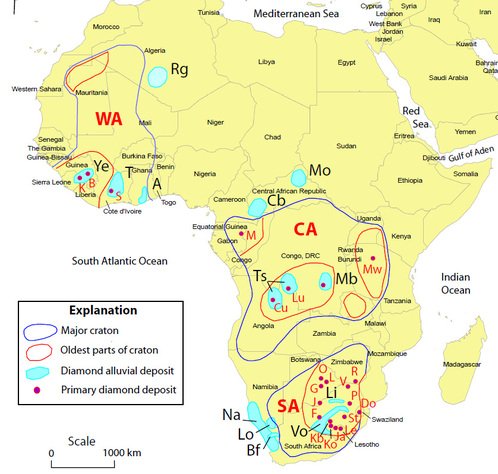
Africa is rich in gold due to a combination of ancient geological processes, stable cratonic regions, and favorable mineral-forming conditions that occurred over billions of years. As a result, the continent hosts some of the largest and richest gold deposits in the world.
1. Ancient Cratons – The Foundation for Gold
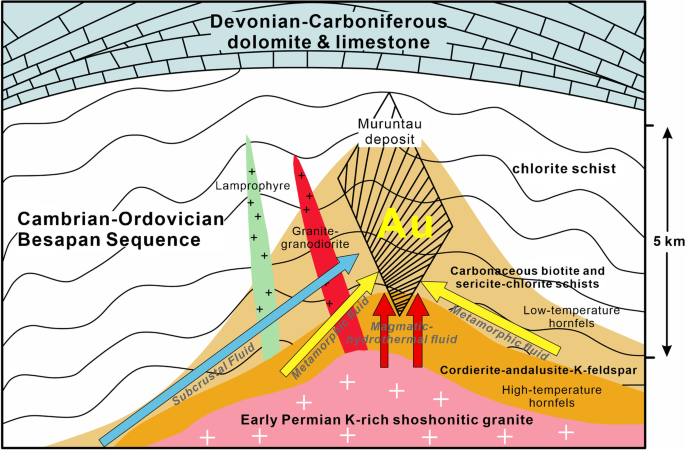
The presence of old, stable cratons—large, stable parts of the continental lithosphere—is one of the main reasons Africa has so much gold.
- These cratons formed over 2.5 billion years ago.
- They contain gold-bearing rock structures that were created during intense geological activity.
- Key gold-rich cratons include:
- Kaapvaal Craton (South Africa)
- Congo Craton (Central Africa)
- West African Craton (Ghana, Mali, Burkina Faso)
These ancient formations are responsible for hosting the Witwatersrand Basin, which contains over 40% of all gold ever mined globally.
2. Witwatersrand Basin – The World’s Richest Gold Field

Located in South Africa, the Witwatersrand Basin is the most significant gold deposit in history.
- Formed around 3 billion years ago
- Contains gold reefs embedded in conglomerate rock layers
- Was shaped by ancient rivers that deposited gold-rich sediments
- Over time, these sediments hardened into rock, preserving vast amounts of gold underground
This region has produced more gold than any other area on Earth.
3. Greenstone Belts – Major Gold Hosts in West Africa
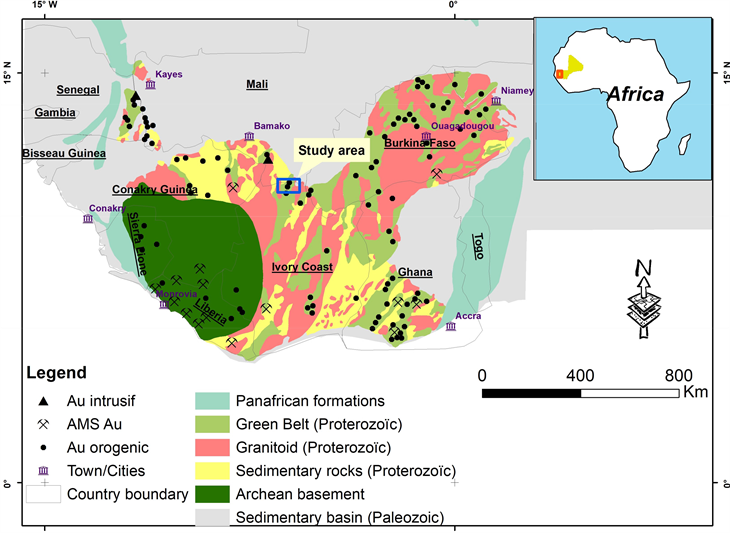
In West Africa, greenstone belts—zones of ancient volcanic and sedimentary rock—are responsible for major gold deposits.
- The Birimian Greenstone Belt runs through Ghana, Mali, and Burkina Faso
- These rocks formed over 2 billion years ago under high-pressure conditions ideal for gold formation
- Hydrothermal fluids moved gold from deep within the Earth and deposited it in concentrated zones
This belt supports large-scale mining operations and continues to attract exploration investment.
4. Tectonic Activity and Mountain Building
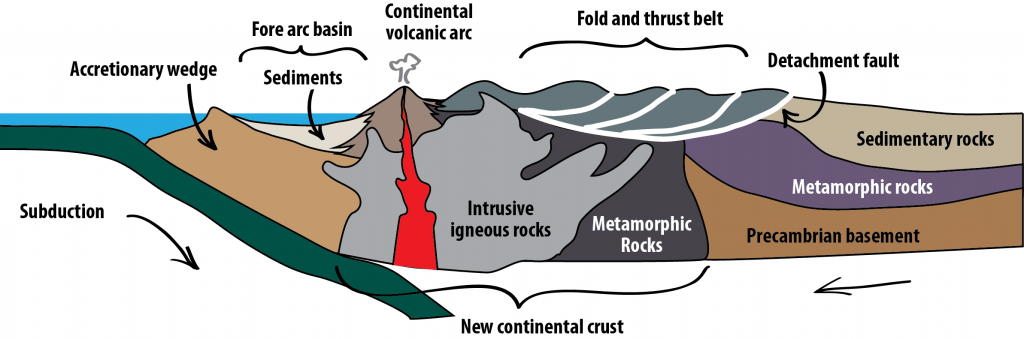
Gold forms under specific tectonic and geological conditions, such as:
- Mountain-building events that cause pressure and heat to concentrate gold
- Volcanic activity that brings gold closer to the surface
- Ancient fault lines where mineral-rich fluids flowed and deposited gold
Africa’s long and complex geological history provided the perfect environment for these processes to occur.
5. Alluvial and Placer Deposits
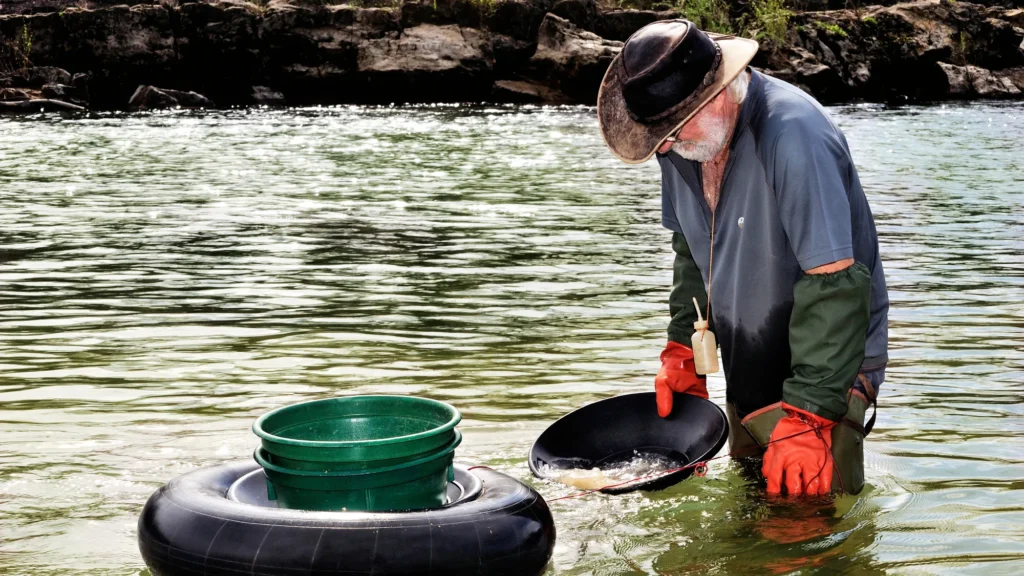
Over millions of years, weathering and erosion have transported gold from bedrock into river systems, forming alluvial and placer deposits.
- These deposits are easier to mine and historically attracted early miners
- Many artisanal miners today still extract gold from streambeds and old mining areas
Alluvial gold remains an important source in countries like Ghana, Mali, and Nigeria.
6. Long History of Gold Use and Trade
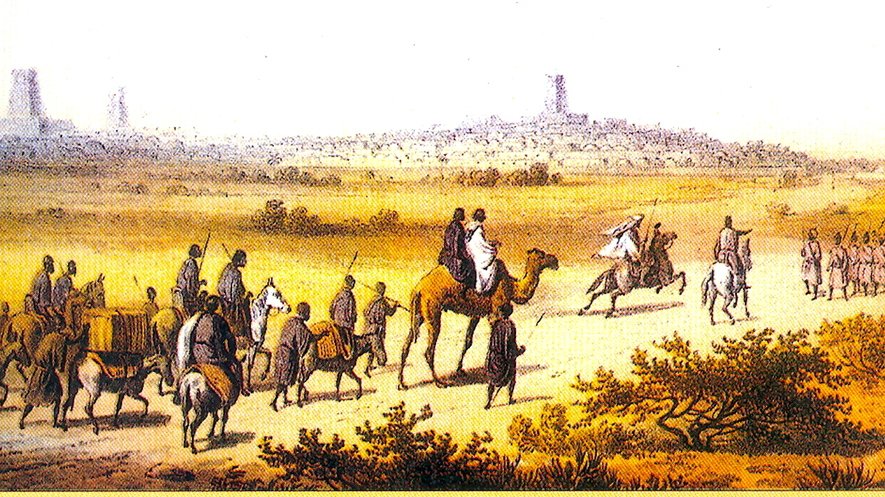
Africa has been associated with gold for centuries:
- The Ghana Empire (8th–13th century) was known as the “Land of Gold”
- The Mali Empire, especially under Mansa Musa, became legendary for its wealth
- Gold was used for currency, jewelry, and international trade long before European colonization
This historical connection reflects the abundance of gold found naturally across the continent.
Frequently Asked Questions (FAQs)
Q: Why does Africa have so much gold?
A: Africa has ancient geological formations like cratons and greenstone belts that created ideal conditions for gold deposition over billions of years.
Q: Which part of Africa has the most gold?
A: South Africa’s Witwatersrand Basin holds the largest known gold reserves, though West Africa’s Birimian Belt is also highly productive.
Q: Was gold discovered in Africa first?
A: Gold was used by African civilizations for thousands of years, but modern industrial mining began in South Africa in 1886 with the discovery of the Witwatersrand gold fields.
Conclusion
There is gold in Africa because of unique geological conditions that existed billions of years ago, including ancient cratons, greenstone belts, and tectonic forces that concentrated gold deep beneath the surface. These natural factors, combined with long-standing human use and trade, explain why Africa remains one of the richest gold-producing regions in the world.