Gold has been mined for millennia—but as reserves become harder to find and extract, many are asking: When will gold mining stop?
While it’s unlikely that gold mining will end completely anytime soon, several factors—including depleting reserves, environmental concerns, economic viability, and technological innovation —will shape the future of the industry.
In this article, we’ll explore when gold mining might slow or stop, and what could change the course of this ancient yet evolving industry.
1. Current Gold Reserves and Extraction Rates
As of recent estimates:
- Approximately 200,000 metric tons of gold have already been mined.
- Identified global reserves stand at around 50,000 metric tons .
- Annual production is roughly 3,600 metric tons .
At current rates, known reserves could be exhausted in 10–15 years —but this assumes no new discoveries or advancements in exploration.
2. Discovery of New Deposits Slowing Down
Finding new gold deposits is becoming increasingly difficult:
- Most easily accessible gold has already been found.
- Exploration budgets are rising, but discovery rates are falling.
- Fewer economically viable deposits are being brought into production.
This trend suggests that gold mining may begin to decline within a few decades unless exploration improves.
3. Economic Viability and Rising Costs
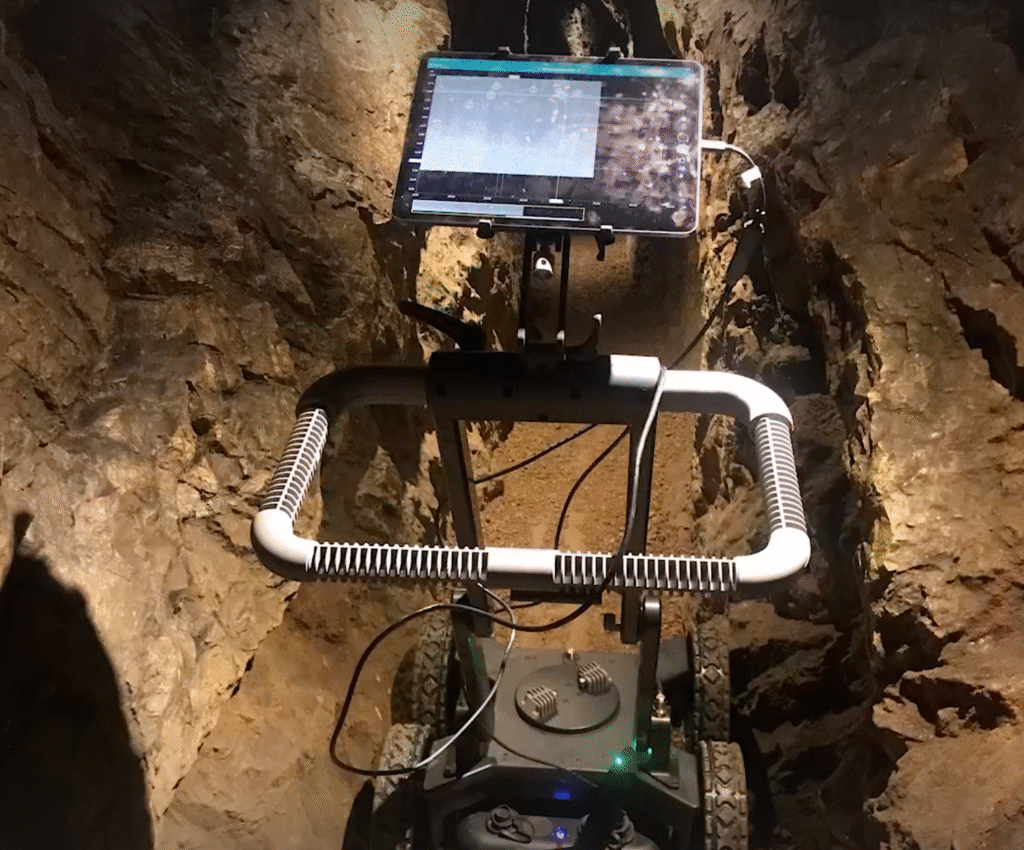
Gold mining is becoming more expensive due to:
- Deeper, lower-grade deposits
- Rising energy and labor costs
- Stricter regulations and permitting delays
Eventually, some mines will become too costly to operate and will shut down permanently.
4. Environmental and Regulatory Pressures
Governments and communities are pushing back against destructive mining practices:
- Increased scrutiny on water use and pollution
- Opposition to mining in protected or indigenous areas
- Pressure to adopt sustainable and green mining technologies
These pressures could lead to early closures or restrictions on new projects , slowing overall production.
5. The Role of Recycling and Alternative Sources
Even if traditional mining slows, gold can still be obtained through:
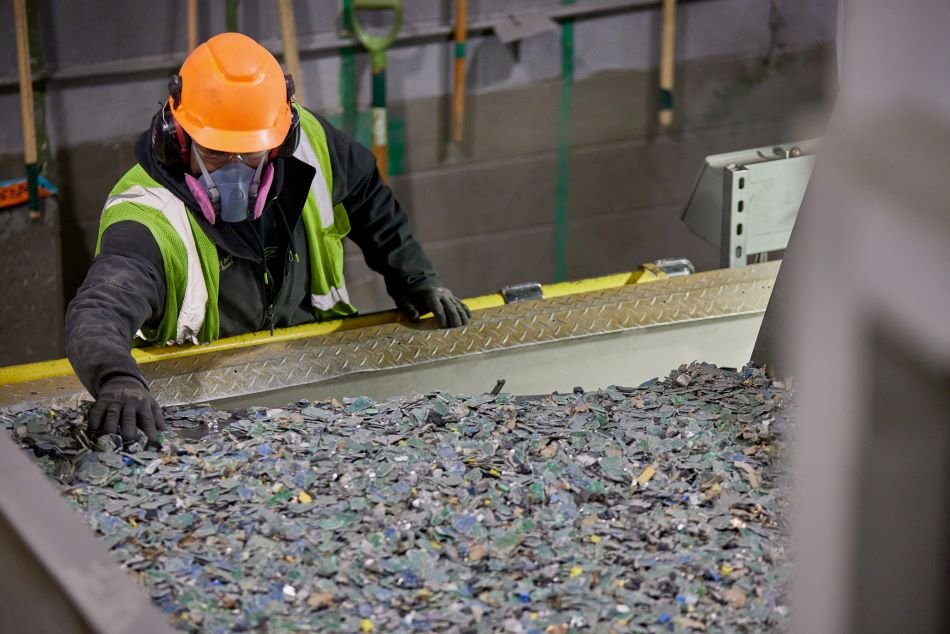
- Recycling electronics, jewelry, and industrial components
- Urban mining – recovering metals from discarded products
- Deep-sea or space mining – long-term experimental options
These alternatives may reduce reliance on traditional mining and extend the life of the gold supply chain.
FAQs
Q: Is gold mining going to end soon?
A: Not entirely—while traditional mining may slow due to depletion and costs, recycling and new exploration could keep it viable for decades longer.
Q: What happens when we run out of minable gold?
A: Prices would likely rise, recycling efforts would increase, and demand for synthetic or recovered gold would grow.
Q: Can technology help extend gold mining?
A: Yes—advancements in geophysics, AI-driven exploration, automation, and deep-sea mining could significantly prolong gold extraction.