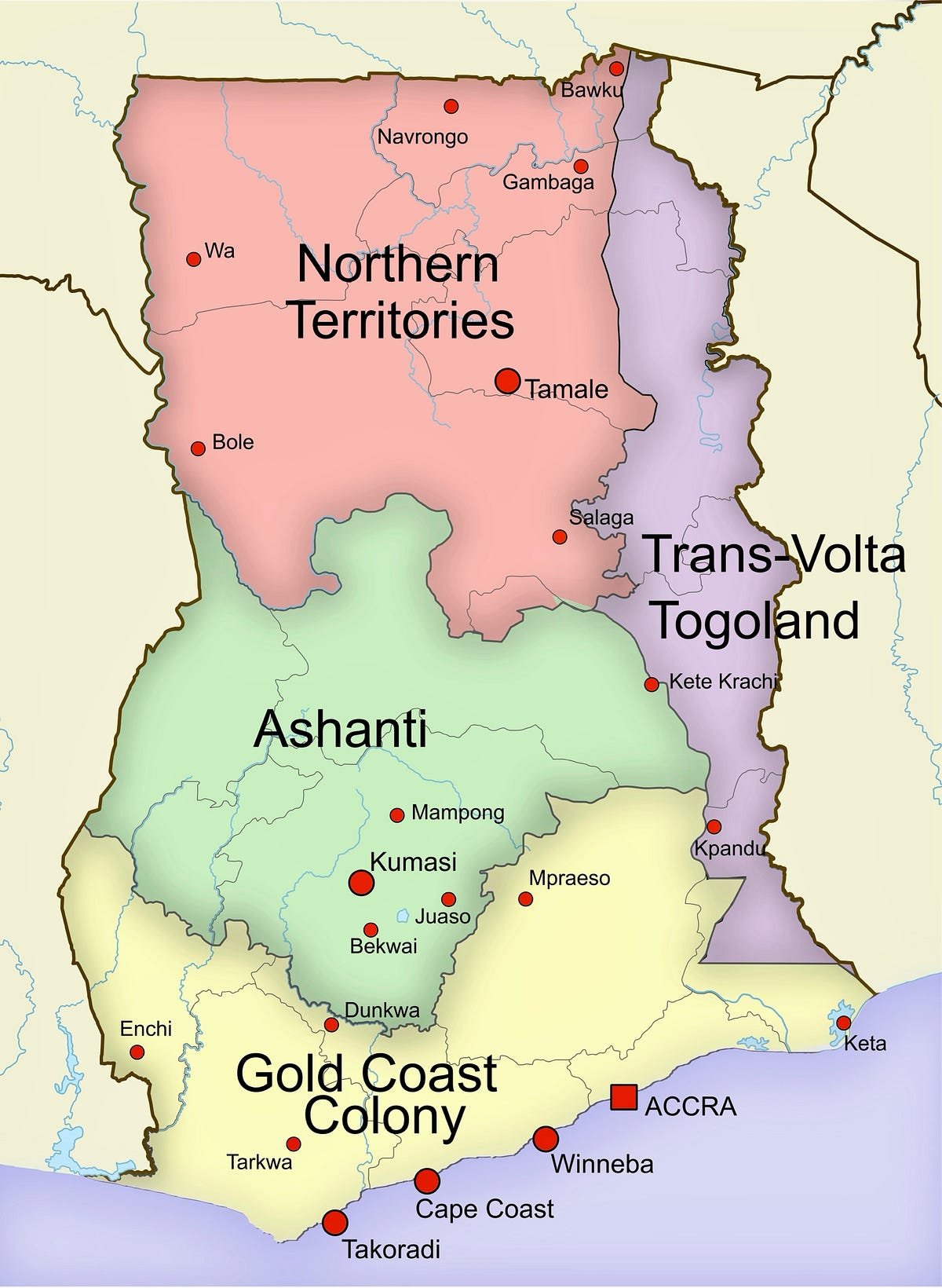
The Gold Coast refers to a historical term used to describe the southern region of present-day Ghana, a country located on the west coast of Africa. It was named the Gold Coast by European traders and colonizers due to the region’s abundance of gold, which played a central role in its economy and global trade for centuries.
1. Historical Background
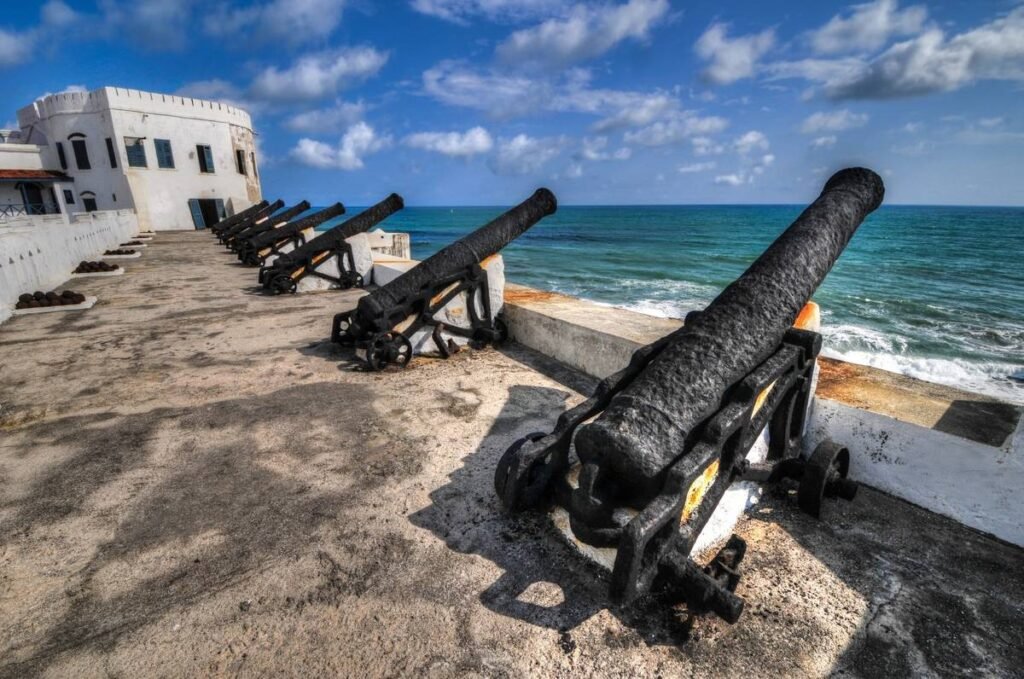
The Gold Coast became one of the most important regions during the transatlantic trade era, especially from the 15th to 19th centuries, when European powers such as:
- Portugal
- Britain
- Netherlands
- Denmark
Established trading posts along the coast to exchange goods, and later, enslaved people, while extracting valuable resources like gold, ivory, and timber.
The region was central to the Ashanti Kingdom, known for its wealth derived from gold mining and trade long before European arrival.
2. The Name “Gold Coast”

The name “Gold Coast” originated from the large quantities of gold that were traded through coastal ports. Gold from the Ashanti hinterland was brought to the coast by local traders and exchanged for European goods such as:
- Weapons
- textiles
- salt
- alcohol
This made the region highly attractive to colonial powers and led to its eventual colonization.
3. Colonial Era

In the late 19th century, the British formally colonized the region and established the British Gold Coast colony. This marked the beginning of large-scale administrative control and infrastructure development by the British Empire.
Ghana gained independence in 1957, becoming the first sub-Saharan African country to do so. It officially changed its name from the Gold Coast to Ghana, referencing the ancient Ghana Empire, although it is located far from the original empire’s geographic location.
4. Modern-Day Ghana
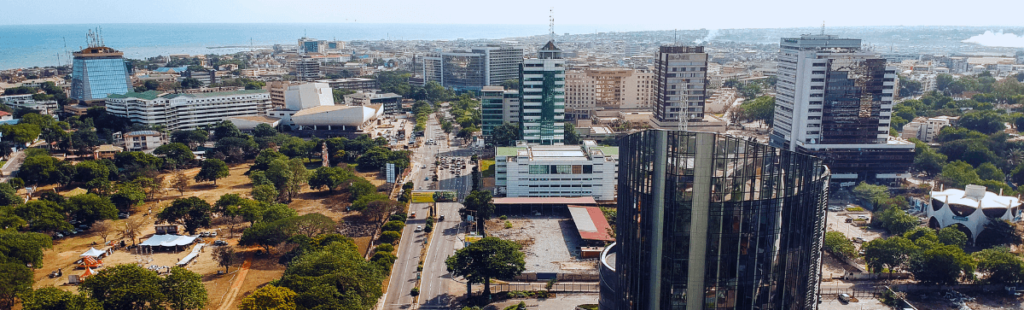
Today, Ghana remains one of Africa’s top gold-producing countries, continuing the legacy of the Gold Coast. It plays a major role in the global gold market, with extensive legal mining operations and government-regulated exports.
Key facts:
- Ghana is currently the largest gold producer in Africa.
- Major gold-mining companies include AngloGold Ashanti, Newmont, and Gold Fields.
- Gold contributes significantly to national GDP and export earnings.
Frequently Asked Questions (FAQs)
Q: Why was Ghana called the Gold Coast?
A: Because of the large amount of gold mined and traded in the region, especially during the transatlantic trade era.
Q: When did the Gold Coast become Ghana?
A: On March 6, 1957, when the country gained independence from British rule.
Q: Is the Gold Coast still a real place today?
A: The term “Gold Coast” is no longer an official name but is often used historically to refer to modern-day Ghana.
Conclusion
The Gold Coast is the historical name for what is now Ghana, a country renowned for its rich gold heritage and trade history. From pre-colonial kingdoms to modern industrial mining, the legacy of the Gold Coast lives on through Ghana’s continued prominence in the global gold industry.