
Gold in Africa refers to both the naturally occurring precious metal found beneath the continent’s surface and the economic, cultural, and historical significance it holds across many African countries.
Africa is one of the richest regions in the world when it comes to gold—both in terms of reserves and production. The metal plays a major role in the economies of several nations and has been a driver of development, trade, and investment for centuries.
1. Natural Occurrence of Gold
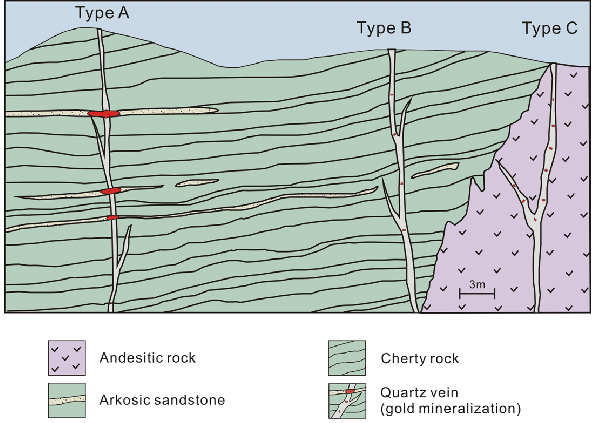
Gold is found in various geological formations across Africa, especially in:
- The Witwatersrand Basin (South Africa) – The largest known gold field in the world.
- Birimian Greenstone Belt (West Africa) – Stretching across Ghana, Mali, Burkina Faso, and Guinea.
- Lake Victoria Goldfield (East Africa) – Found mainly in Tanzania.
- Congo Craton (Central Africa) – Includes parts of DRC and Sudan.
Gold occurs both as reef gold, trapped in ancient rock formations, and as alluvial gold, deposited by rivers and streams.
2. Economic Importance of Gold
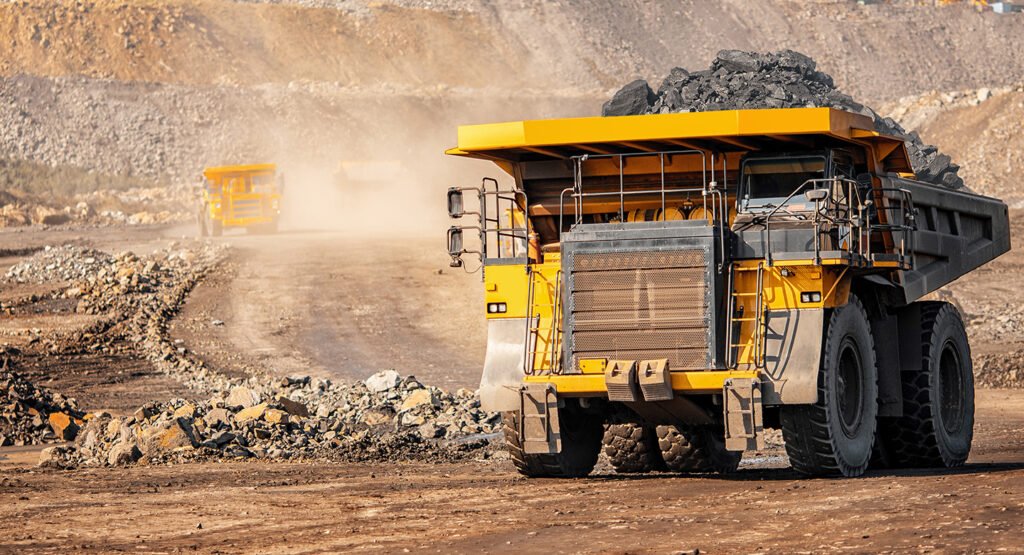
Gold is a key export commodity for many African countries and contributes significantly to:
- National GDP
- Employment (both industrial and artisanal sectors)
- Foreign exchange earnings
- Investment inflows
Countries like Ghana, South Africa, Mali, and Tanzania rely heavily on gold exports to support their economies.
3. Forms of Gold in Africa
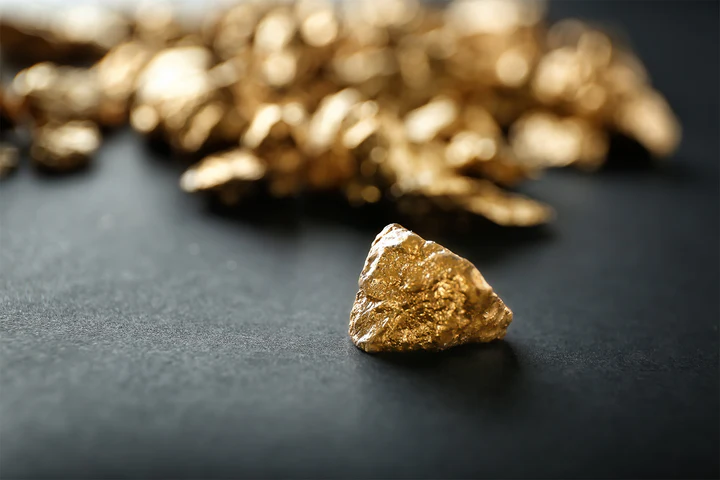
Gold in Africa can be found in various forms:
- Raw gold nuggets and dust: Often from small-scale or artisanal mining.
- Gold bars and bullion: Traded through banks and licensed dealers.
- Gold coins: Such as South Africa’s Krugerrand, widely recognized globally.
- Gold jewelry: Popular for personal adornment and as a store of value, especially in West and North Africa.
4. Legal Framework and Regulation

Gold mining and trading are regulated by national governments under laws such as:
- Mineral and Petroleum Resources Development Act (South Africa)
- Mining Code (Ghana and Mali)
- Local licensing requirements
Legal compliance is essential for:
- Obtaining mining rights
- Exporting gold
- Preventing involvement in conflict or illegal mineral trade
Frequently Asked Questions (FAQs)
Q: Is all African gold mined legally?
A: No. While much comes from licensed operations, artisanal and informal mining is also widespread, sometimes linked to unregulated or illegal sources.
Q: What is the most famous gold coin from Africa?
A: The South African Krugerrand is the most well-known and widely traded gold coin in the world.
Q: Why is Africa rich in gold?
A: Due to ancient geological processes that formed large deposits of gold-bearing rock over billions of years, particularly in stable cratonic regions.
Conclusion
Gold in Africa is more than just a valuable metal—it’s a cornerstone of economic growth, cultural heritage, and global trade. From deep-level mines in South Africa to artisanal dig sites in West Africa, the continent remains a major player in the world gold industry.
