
Artisanal gold mining plays a vital role in the economies of many developing countries. Often overlooked by large corporations, this form of mining supports millions of people around the world—yet it also raises serious concerns about safety, environmental impact, and labor practices.
In this article, we’ll explore what artisanal gold mining is, how it works, and its global significance.
1. Definition of Artisanal Gold Mining
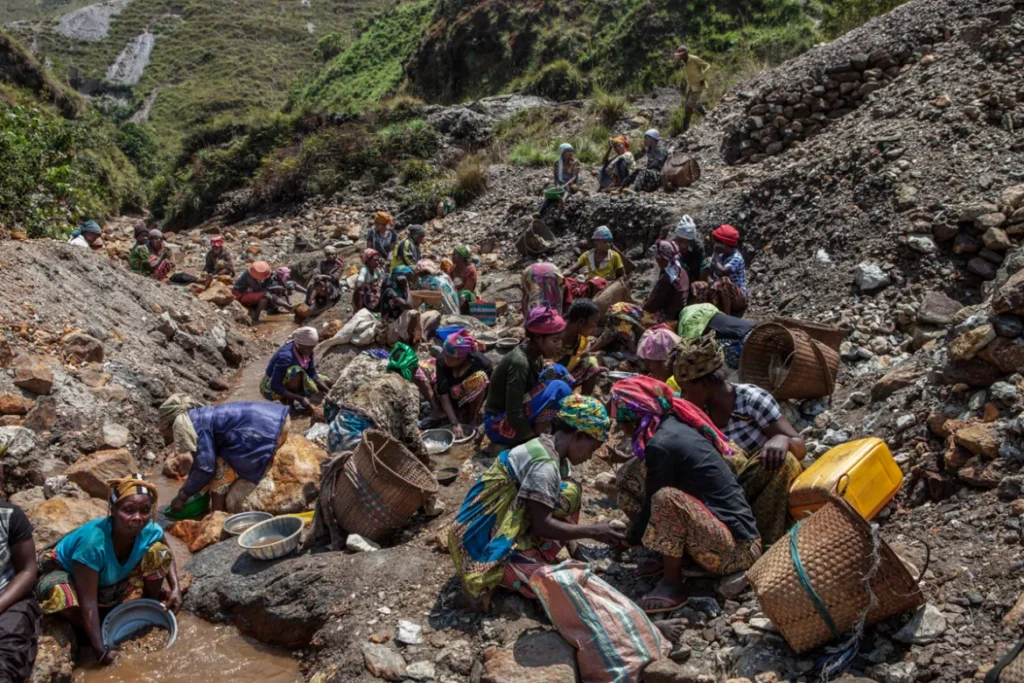
Artisanal gold mining refers to small-scale, often informal, gold extraction activities carried out by individuals or small groups using minimal machinery and basic tools. It is typically:
- Labor-intensive
- Low-cost
- Operated independently or in small cooperatives
- Not formally regulated or licensed in many regions
This type of mining is distinct from large-scale industrial operations run by multinational companies.
2. Where Artisanal Gold Mining Occurs
Artisanal gold mining is most common in:
- Sub-Saharan Africa (e.g., Ghana, Mali, Democratic Republic of Congo)
- Latin America (e.g., Peru, Colombia, Bolivia)
- Southeast Asia (e.g., Indonesia, Philippines)
These areas often have rich gold deposits but limited formal job opportunities, making artisanal mining a key source of income for rural communities.
3. Methods Used in Artisanal Gold Mining
Common techniques include:
- Panning and sluicing – Separating gold from sediment using water.
- Digging shafts and tunnels – Manual excavation of gold-bearing rock.
- Crushing and grinding – Breaking down ore with hammers or small mills.
- Mercury amalgamation – Binding gold particles with mercury to extract them—a dangerous practice due to health and environmental risks.
These methods are often improvised and vary depending on local conditions and resources.
4. Economic and Social Impact
Artisanal gold mining provides:
- Livelihoods for over 40 million people worldwide
- Income for families in remote, underdeveloped regions
- Local economic development where formal jobs are scarce
However, it also faces challenges such as:
- Child labor
- Poor working conditions
- Insecure land rights
- Limited access to markets and finance

5. Environmental and Health Risks
One of the biggest concerns with artisanal gold mining is the use of mercury , which:
- Releases toxic fumes that harm miners’ health
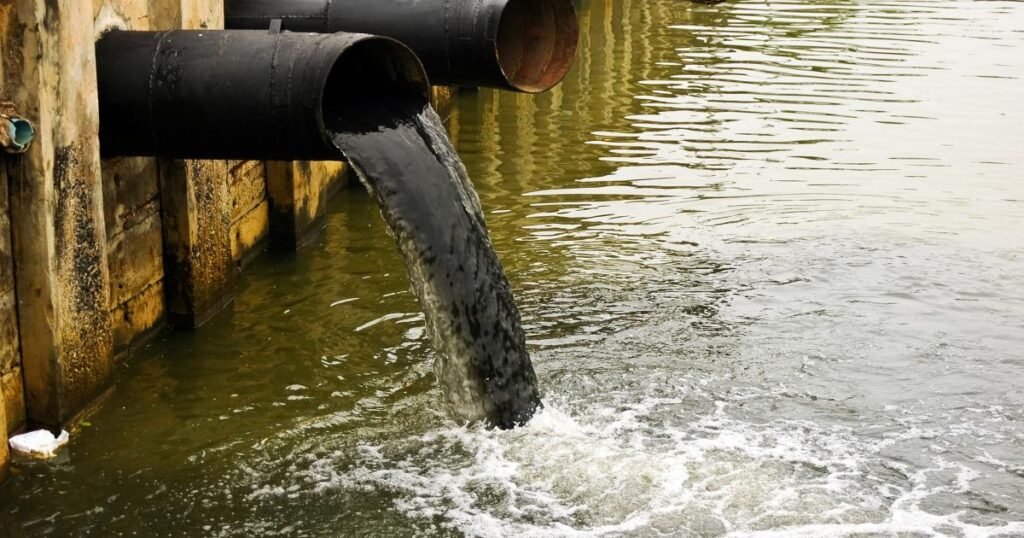
- Pollutes rivers and ecosystems
- Bioaccumulates in fish and affects entire food chains
Other environmental issues include:
- Deforestation
- Soil erosion
- Water contamination from heavy metals
Efforts are underway globally to promote safer, mercury-free alternatives.
FAQs
Q: How big is the artisanal gold mining industry?
A: Over 40 million people are involved in artisanal and small-scale gold mining (ASGM) globally, making it one of the largest employment sectors in developing countries.
Q: Why do artisanal miners use mercury?
A: Mercury is cheap and effective at extracting fine gold particles from crushed ore—but it poses serious health and environmental hazards.
Q: Is artisanal gold mining legal?
A: In many countries, it exists in a legal gray area—some forms are permitted with licenses, while others operate illegally or informally.