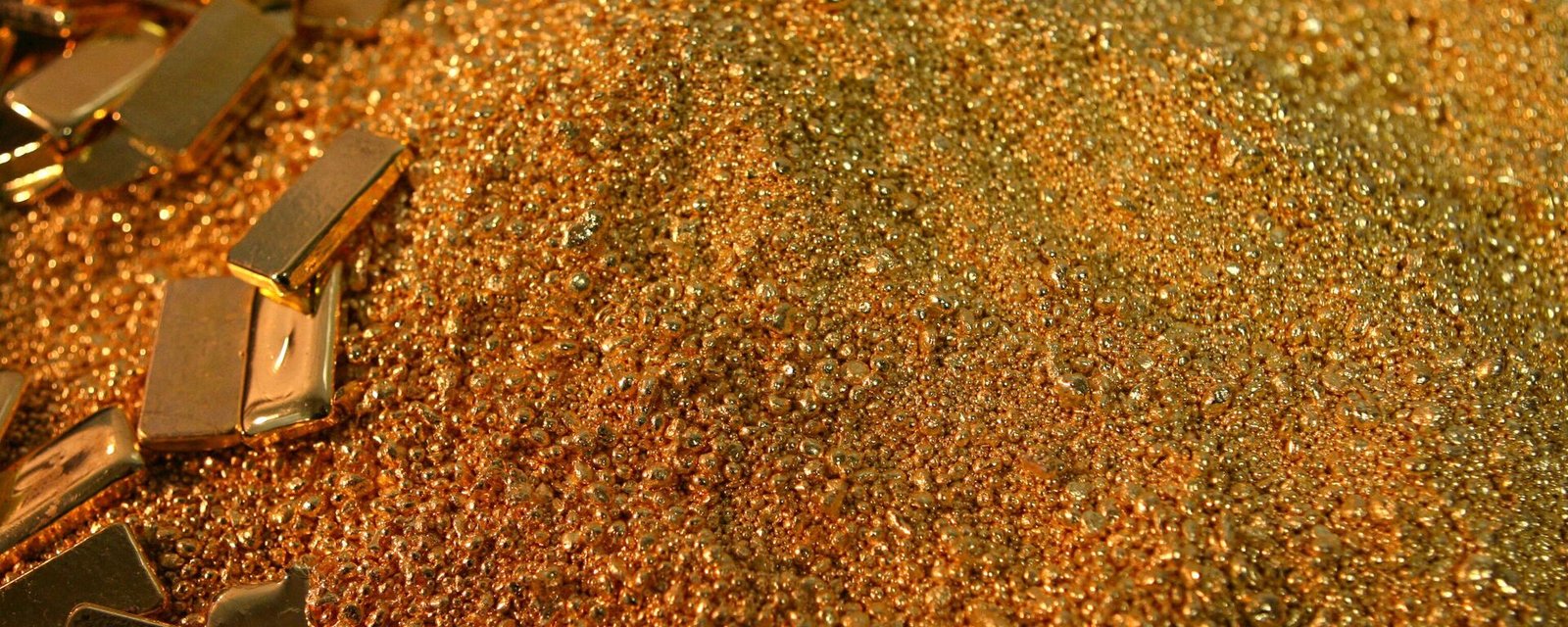
Gold has played a significant role in Eastern Africa for centuries, not only as a valuable commodity but also as a symbol of wealth, status, and cultural identity. From ancient trade routes to modern economies, the uses of gold in the region are diverse and continue to evolve.
Here’s a look at the primary ways gold is used across Eastern Africa today.
1. Jewelry and Cultural Significance

One of the most common uses of gold in Eastern Africa is in jewelry making, especially among urban and middle-class populations. Gold jewelry is:
- A symbol of status and prosperity
- Often gifted during weddings, births, and religious ceremonies
- Worn by women as a form of personal savings and adornment
In countries like Kenya, Tanzania, and Uganda, gold necklaces, bangles, and earrings are popular, with demand rising during festive seasons and wedding periods.
2. Investment and Wealth Preservation

As inflation and currency fluctuations affect local economies, more people are turning to gold as an investment. Gold is purchased in the form of:
- Bars and bullion
- Coins (e.g., Krugerrands, Sovereigns)
- Digital gold platforms (emerging trend)
Gold offers a stable store of value, especially when local currencies weaken. In cities like Nairobi and Dar es Salaam, certified dealers make it easier for individuals to buy and sell gold securely.
3. Artisanal Mining Livelihoods
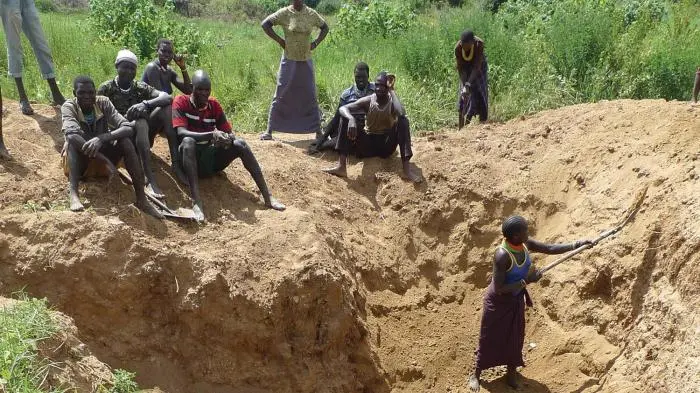
Gold mining remains a key source of income for millions of people across Eastern Africa. In countries like:
- Tanzania: Hundreds of thousands work in artisanal and small-scale gold mining (ASM).
- Uganda and Ethiopia: Small miners extract gold manually and sell to traders.
For many rural communities, gold mining provides daily income, even though it often lacks formal regulation and safety standards.
4. Contribution to National Economies

Gold plays a growing role in the export earnings of several Eastern African nations:
- Tanzania is one of Africa’s top gold producers.
- Uganda and Ethiopia are increasing their exports.
- Governments collect taxes and royalties from both industrial and artisanal mining sectors.
Gold helps boost foreign exchange reserves and supports development projects.
5. Religious and Traditional Practices
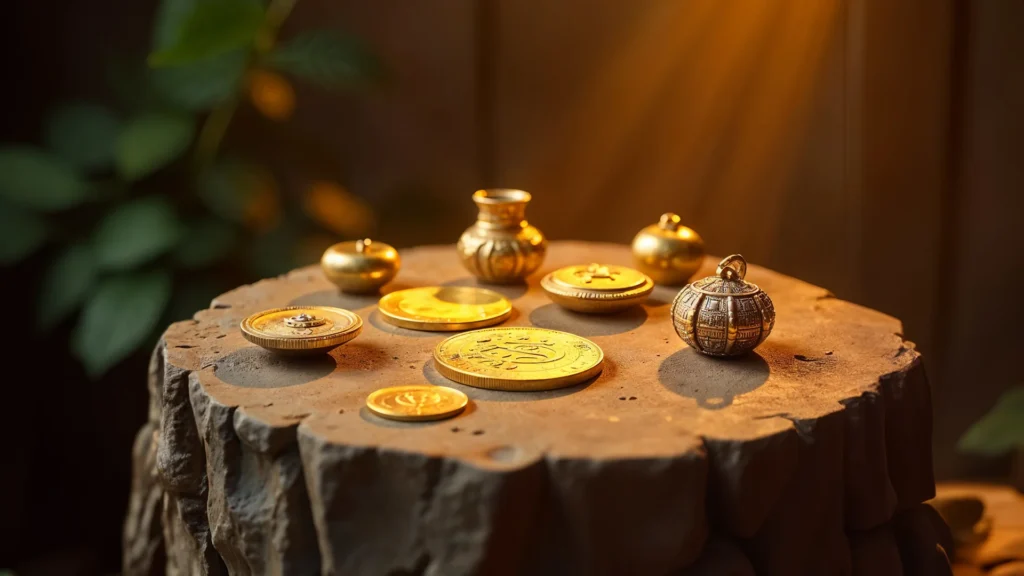
In some communities, gold holds spiritual or traditional significance:
- Used in ceremonial gifts or dowries
- Stored as family heirlooms
- Offered in religious institutions as donations or decorations
These traditions reinforce gold’s deep-rooted presence in Eastern African societies beyond its economic value.
Frequently Asked Questions (FAQ)
Q: What is the most common use of gold in Eastern Africa?
A: Gold is primarily used for jewelry and personal adornment, followed by investment and mining-based livelihoods.
Q: Do people invest in gold bars in East Africa?
A: Yes, especially in urban areas where certified dealers offer gold bars and coins for investment purposes.
Q: Is gold used in traditional ceremonies in East Africa?
A: Yes, particularly in marriage customs and cultural rituals, where gold is exchanged or worn as a sign of prestige.
Final Thoughts
The uses of gold in Eastern Africa extend far beyond finance — it is deeply woven into culture, tradition, and daily life. Whether worn as jewelry, mined for income, or saved as investment, gold continues to shape economies and communities across the region.
As formal markets grow and awareness increases, gold’s role in Eastern Africa is expected to expand even further.