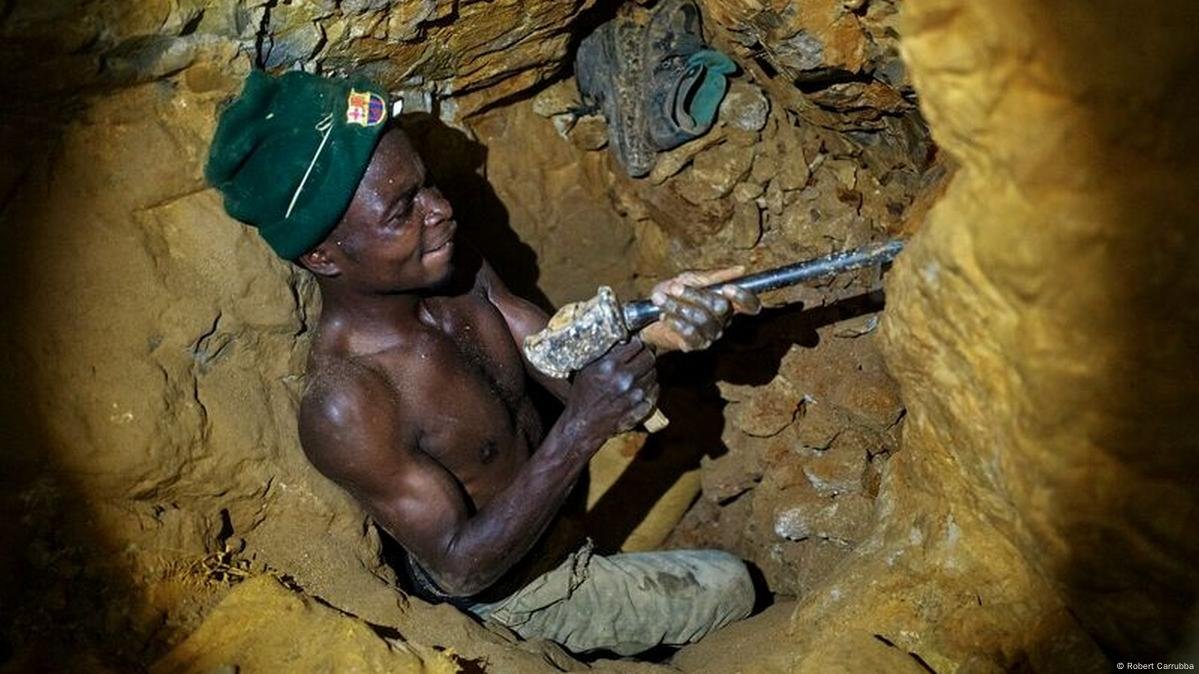
Central Africa is home to some of the world’s most untapped natural resources. Gold, for instance, plays a significant role in the region’s economy and history. From ancient trade routes to modern mining operations, the allure of gold continues to shape the landscape and livelihoods of many in this part of the continent.
1. The Role of Artisanal Miners – Hard Work, Big Impact
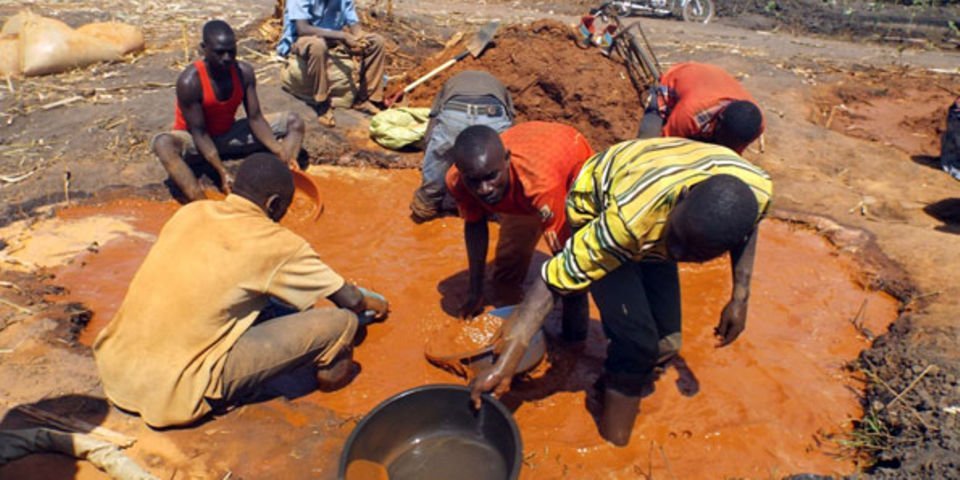
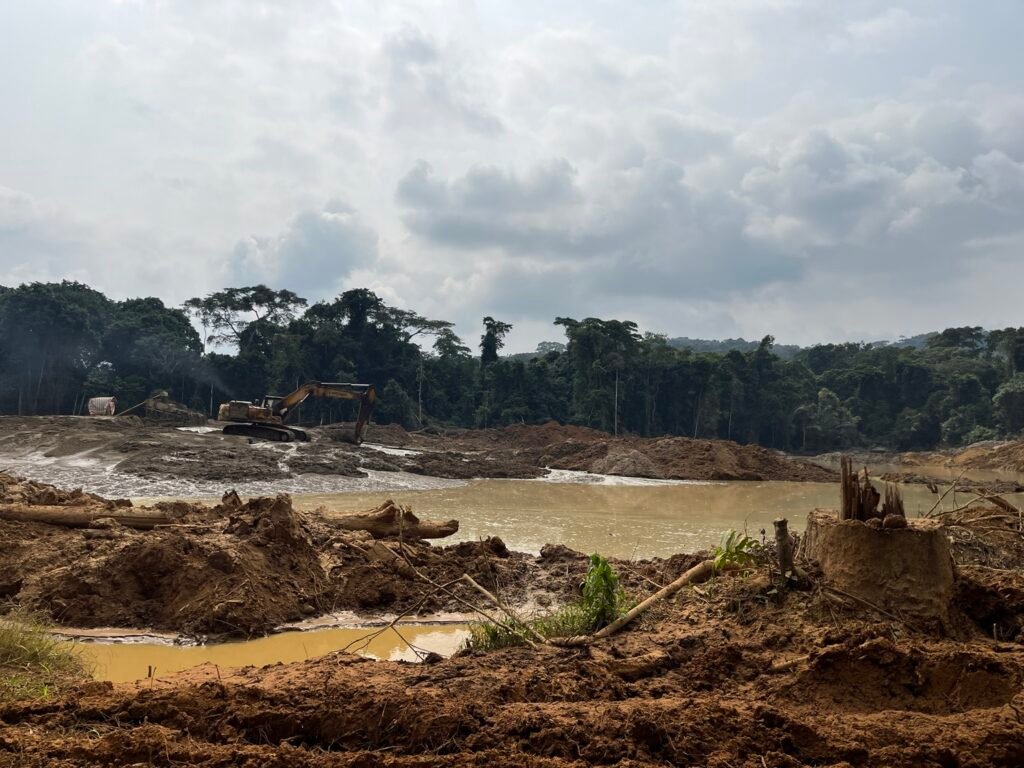
2. Environmental Impact – Balancing Growth and Sustainability
3. Conflict Minerals – The Dark Side of Gold
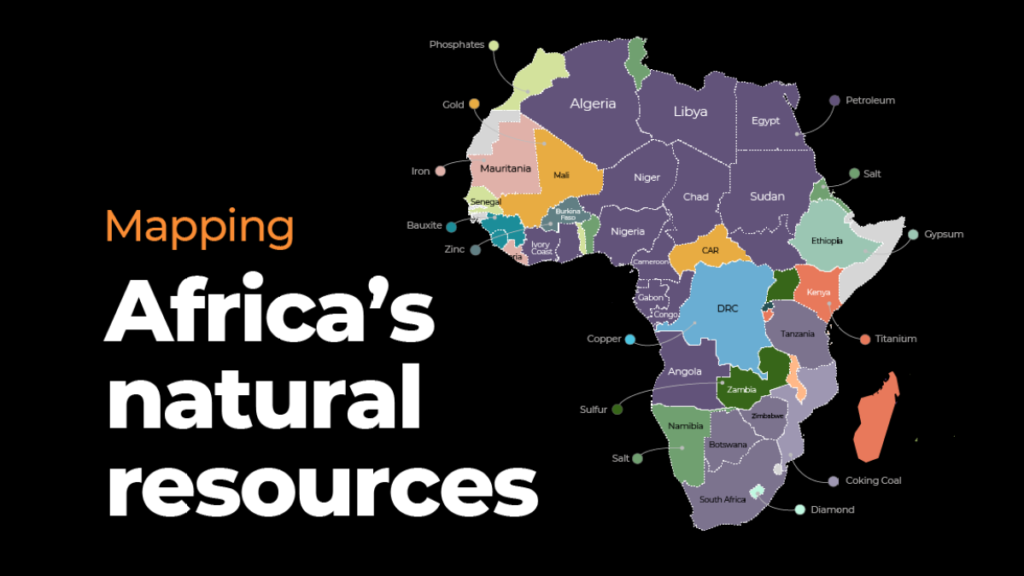
4. Export and Economy – Gold as a National Asset
FAQs
Q: Which Central African country produces the most gold?
A: The Democratic Republic of Congo (DRC) is the largest gold producer in Central Africa. However, much of its output comes from small-scale and informal operations.
Q: Is gold mining in Central Africa regulated?
A: While there are government regulations in place, enforcement remains a challenge due to remote locations, political instability, and informal mining networks.
Q: How does gold mining affect local communities?
A: Gold mining provides employment and income for many families but can also lead to environmental degradation, health risks, and social conflict if mismanaged.
Conclusion
Gold in Central Africa represents both opportunity and challenge. Addressing sustainability and ethical concerns is essential to ensure long-term benefits for local communities and the environment.