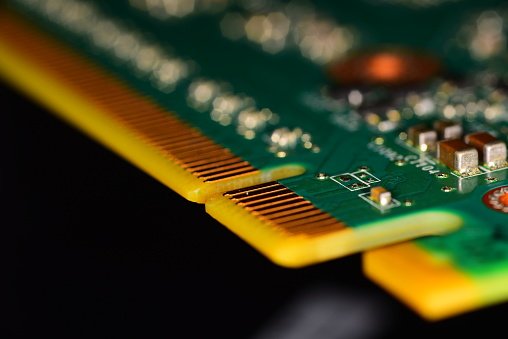
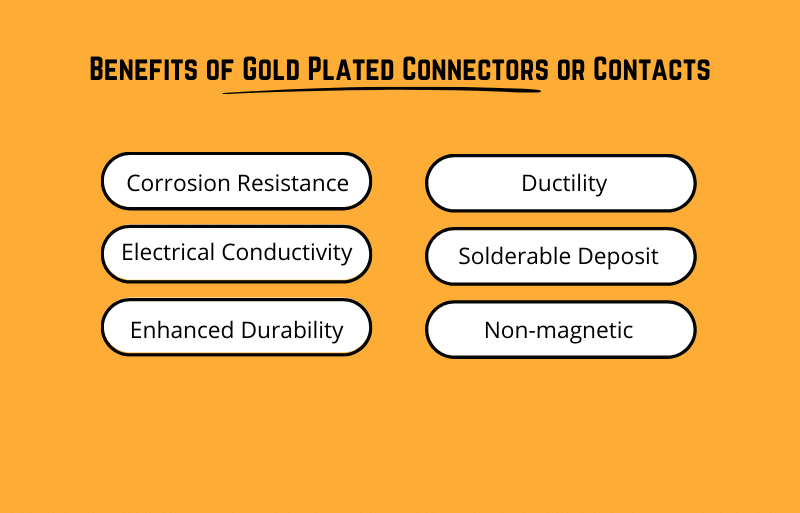
Gold is used in electronics because it’s an excellent conductor of electricity and resistant to corrosion . It’s commonly found in:
- Circuit boards
- Processor chips
- Connectors
- Memory modules
- SIM card slots
While the amount of gold in any single device is tiny — often just a few milligrams — when processed in bulk, it can add up.
🔍 Which Electronics Have the Most Gold?
Here’s a quick breakdown of devices and their gold content (approximate):
| Device | Estimated Gold Value per Unit |
|---|---|
| Old desktop computer motherboard | $1–$5 |
| Laptop motherboard | $0.50–$2 |
| Smartphones (iPhone, Samsung) | $0.03–$0.05 |
| RAM sticks | $1–$3 per stick |
| Old game consoles | $0.50–$2 |
| Networking equipment (routers, switches) | $0.10–$10 depending on size |
🧪 How to Mine Gold from Electronics: Step-by-Step
There are three main methods to recover gold from electronics:
1. Mechanical Method (Non-Chemical)
Best for : Hobbyists and beginners who want to avoid chemicals.
Steps :
- Collect and sort electronics — focus on motherboards, RAM, and connectors.
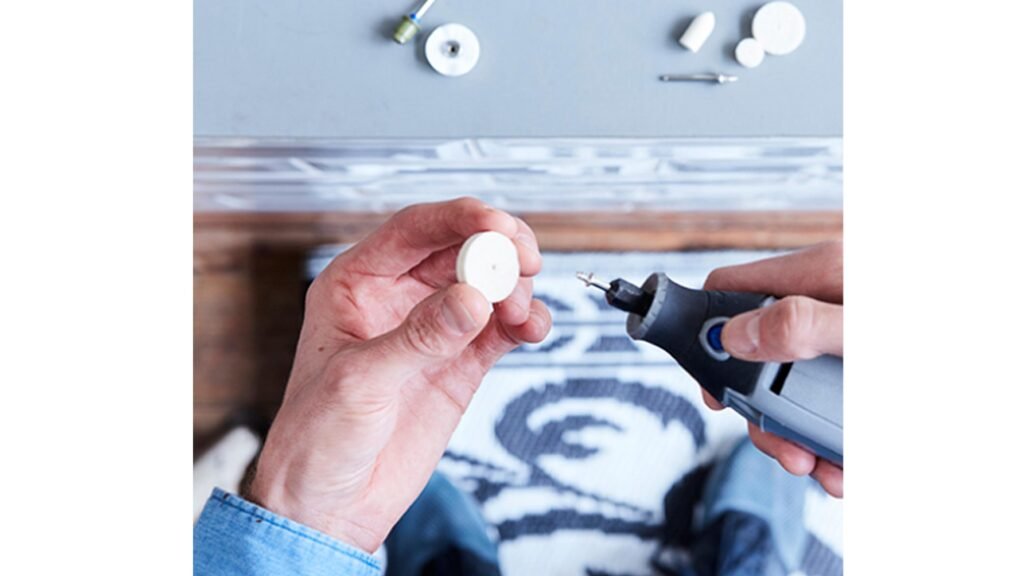
- Remove gold contacts using a Dremel or small saw.
- Burn off insulation (optional) — use a heat gun or small torch.
- Separate gold from other metals using a magnet and manual sorting.
Pros :
- No chemicals
- Safe for home use
Cons :
- Only recovers visible gold contacts
- Not efficient for fine particles
2. Chemical Leaching Method
Best for : More serious hobbyists or small-scale recyclers.
Steps :
- Crush and grind the circuit boards into small pieces.
- Use aqua regia (nitric + hydrochloric acid) to dissolve gold.
- Precipitate gold using sodium metabisulfite or other reagents.
- Filter and dry the gold powder.
- Smelt into gold bars (optional).
Pros :
- Recovers fine gold particles
- Higher yield than mechanical method
Cons :
- Involves dangerous chemicals
- Requires proper ventilation and safety gear
- Disposal of waste is regulated
3. Commercial Recycling
Best for : Large volumes of e-waste or those not interested in DIY.
Steps :
- Collect large quantities of electronics .
- Sell to a certified e-waste recycling facility .
- The facility will extract and refine the gold professionally.
Pros :
- Safe and legal
- Can earn money without doing the work
Cons :
- Lower profit margin
- Requires scale to be profitable
⚠️ Safety & Environmental Concerns
Mining gold from electronics can be dangerous if not done properly , especially when using chemicals.
Safety Tips:
- Always wear gloves, goggles, and a respirator
- Work in a well-ventilated area or fume hood
- Never mix chemicals without proper knowledge
- Label and store chemicals safely
- Follow local and federal regulations on chemical disposal
💰 Is Mining Gold from Electronics Worth It?
Pros:
- Can be a profitable side hustle if done at scale
- Helps recycle e-waste and reduce landfill waste
- Educational and fun for DIY enthusiasts
Cons:
- Time-consuming
- Low yield per unit
- Legal and environmental risks if done improperly
📌 Bottom Line : It’s not a get-rich-quick scheme , but with the right setup and volume, it can be a profitable and sustainable hobby or small business .
📦 Tools & Supplies Needed
| Tool | Use |
|---|---|
| Screwdrivers and pliers | Disassemble electronics |
| Dremel tool or small saw | Cut out gold contacts |
| Gloves and goggles | Safety |
| Heat gun or small torch | Burn off insulation |
| Acid-resistant containers | For chemical leaching |
| Precipitation chemicals | Extract gold from solution |
| Smelting crucible | Melt gold into bars |
Final Thoughts
Mining gold from electronics is a fascinating blend of chemistry, recycling, and entrepreneurship . Whether you’re doing it for fun, profit, or sustainability, it’s a rewarding way to give new life to old tech.
Just remember: safety comes first , especially when dealing with chemicals. If you’re not comfortable with the risks, consider working with a certified recycler or starting with the mechanical method.
So, next time you see an old computer or broken phone, don’t throw it away — you might just be tossing away a tiny gold mine.
FAQs
Q1: Can I really mine gold from old electronics?
Yes! Electronics like motherboards, RAM sticks, and connectors contain small amounts of gold that can be recovered through mechanical or chemical means.
Q2: How much gold is in a smartphone?
A typical smartphone contains about $0.03–$0.05 worth of gold , mostly in the connectors and circuitry.
Q3: Is it legal to mine gold from electronics?
Yes, but using dangerous chemicals may require permits or compliance with environmental laws. Always check local regulations.
Q4: What tools do I need to extract gold from electronics?
Basic tools include screwdrivers, pliers, a Dremel tool, gloves, goggles, and possibly chemicals if using the leaching method.
Q5: Is mining gold from electronics profitable?
It can be, especially at scale . However, for small volumes, it’s more of a hobby or educational project than a money-making venture.