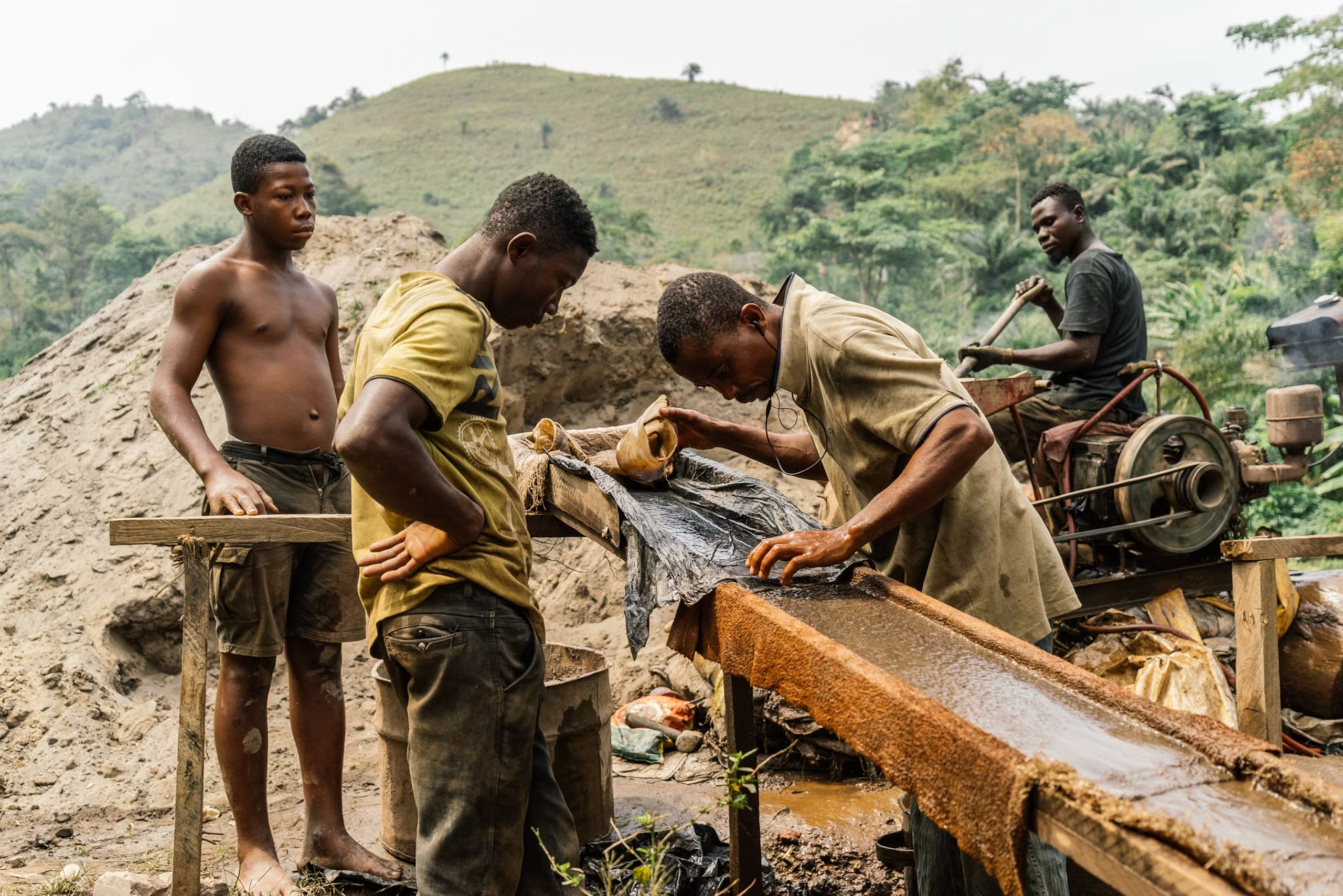
Africa has long been known as one of the richest sources of gold in the world. From the ancient kingdoms of Ghana and Mali to today’s modern mines in South Africa, Ghana, and Tanzania, the continent continues to play a central role in global gold production.
Gold mining has shaped economies, fueled exploration, and sparked both prosperity and conflict across African nations.
📜 A Glimpse into History
Gold from Africa helped build empires and finance trade routes that connected the continent to Europe and Asia. The legendary wealth of Mansa Musa, ruler of the Mali Empire in the 14th century, stemmed largely from his control over key gold-producing regions like Timbuktu and Gao.
European colonial powers later exploited African gold resources during the Scramble for Africa, setting the stage for modern industrial mining.
🏭 Modern Gold Mining in Africa
Today, Africa accounts for nearly 20% of global gold production , with several countries leading the way:
- South Africa : Once the world’s top producer, it still holds vast reserves.
- Ghana : Now Africa’s largest gold producer by volume.
- Tanzania : Home to large-scale mines like Geita and Bulyanhulu.
- Mali & Burkina Faso : Important contributors in West Africa.
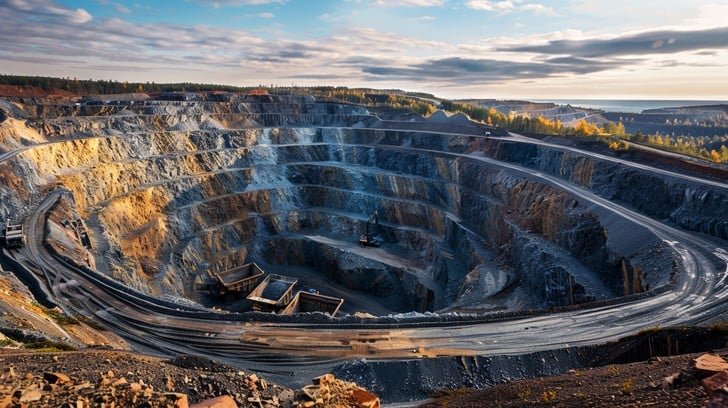
Modern techniques such as open-pit mining, underground mining, and alluvial panning are used across the continent.
💰 Economic Impact
Gold mining contributes significantly to national GDPs and provides employment for millions across the continent — both directly and indirectly.
| Country | % of GDP from Mining | Major Mines |
|---|---|---|
| South Africa | ~8% | Mponeng, Driefontein |
| Ghana | ~6% | Ahafo, Obuasi |
| Tanzania | ~5% | Geita, North Mara |
However, benefits are often unevenly distributed, with local communities sometimes seeing little return despite environmental costs.
🧨 Social and Environmental Challenges
While gold brings wealth, it also brings challenges:
- Deforestation and land degradation
- Pollution from cyanide and mercury use
- Health risks for miners
- Conflict over land rights
- Child labor in artisanal mines
Efforts are underway through initiatives like the Minerals Certification Scheme and responsible sourcing programs to make mining more ethical and sustainable.
🚧 Artisanal vs. Industrial Mining
There are two main types of gold mining in Africa:
| Type | Description | Pros | Cons |
|---|---|---|---|
| Artisanal | Small-scale, manual digging and panning | Provides income for rural poor | Often unsafe, polluting |
| Industrial | Large-scale mechanized operations | Generates tax revenue and jobs | Displaces communities, harms environment |
🔮 The Future of Gold Mining in Africa
As global demand for gold remains strong — driven by jewelry, investment, and technology — Africa will continue to be a key player.
Opportunities include:
- Adoption of green technologies
- Improved governance and transparency
- Strengthening of local content laws
- Empowering small-scale miners through formalization
❓Frequently Asked Questions (FAQs)
❓Which African country produces the most gold?
Ghana is currently the largest gold producer in Africa, surpassing South Africa in recent years.
❓Is gold mining legal in Africa?
Yes, gold mining is legal and regulated by national governments. However, illegal mining (often called “galamsey”) is a major issue in countries like Ghana and Nigeria.
❓What is artisanal gold mining?
Artisanal mining refers to informal, small-scale gold extraction using basic tools and often involving individuals or small groups.
❓How does gold mining affect the environment?
Gold mining can lead to soil erosion, water contamination (especially from mercury), and destruction of ecosystems if not properly managed.
❓What is being done to make gold mining more sustainable?
Organizations like the Responsible Jewellery Council (RJC) and Fairtrade Gold are working with governments and companies to promote responsible mining practices.