A Brief History of Gold Mining in the UK
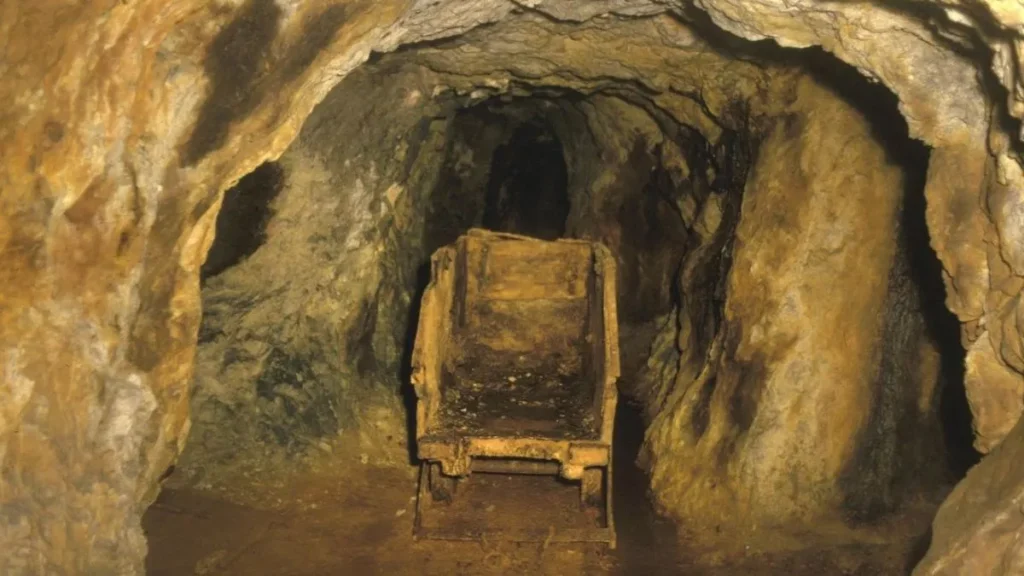
Gold has been mined in Britain for over 2,000 years. The Romans were among the first large-scale miners, extracting gold from sites in Wales and southwest England.
Key historical highlights include:
- Roman Gold Mines – The Dolaucothi mines in Wales were among the earliest known gold workings.
- 19th Century Revival – Interest in gold mining surged during the Victorian era.
- Modern Discoveries – Small-scale gold deposits have been found in Scotland, Wales, and parts of England.
2. Where to Find Gold in the UK Today
While commercial gold mining remains limited, there are still opportunities for recreational prospecting . Here are some of the best regions for finding gold:
Wales – Dolaucothi and the River Cothi
- One of the most historically significant gold regions.
- The River Cothi, known for fine placer gold.
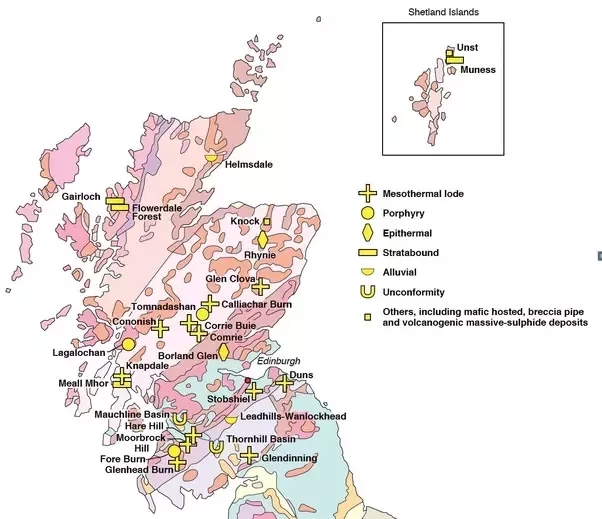
Scotland – Leadhills and Wanlockhead
- These areas in South Lanarkshire are considered the best for gold in Scotland.
- Gold has been found in stream gravels and old mine dumps .
Cumbria (Lake District) – Eskdale and Mardale
- Known for placer gold in streams and rivers.
- Popular among metal detectorists and panners.
Cornwall – St. Agnes and Gwennap
- Ancient gold workings suggest potential for small finds.
Northern Ireland – Sperrin Mountains
- Limited but offers promise.
3. How to Pan for Gold in the UK
Gold panning is the most accessible way to start prospecting. Here’s how to do it effectively:
Step-by-Step Gold Panning Instructions:
- Find a suitable location – Look for gravel bars in rivers or streams.
- Fill your pan with gravel and water
- Shake and swirl to separate lighter materials
- Tilt the pan slightly and wash away lighter sand and silt
- Repeat until only heavy black sands and gold remain
- Use a snuffer bottle to collect tiny gold flakes
💡 Pro Tip: Look for black sands —they often indicate the presence of gold nearby.

4. Essential Tools for Gold Prospecting
Basic tools needed
- Gold pan – Plastic pans are lightweight and easy to use.
- Classifier screens – For separating larger rocks from finer material.
- Snuffer bottle – To suck up small gold flakes.
- Metal detector – Useful for finding nuggets above ground.
- Magnet – Helps remove black sands (which are mostly iron).
- Shovel and bucket – For digging and carrying material.
5. Legal Rules and Regulations
Before you begin gold mining in the UK, it’s important to understand the laws and guidelines:
- Gold Ownership : All gold and silver found anywhere (England and Wales) must be reported under the Treasure Act 1996 .
- Private Land : Always obtain permission from the landowner before prospecting.
- Public Land : Some areas allow limited prospecting with permission from local authorities.
- Environmental Protection : Avoid damaging streambeds or disturbing wildlife habitats.
🔍 Tip : Join local prospecting clubs or contact the Portable Antiquities Scheme for guidance.
6. Join a Gold Prospecting Club
Connecting with others who share your passion can enhance your experience. Consider joining:
- British Gold Prospectors Association
- UK Detectorists Forum
- Local metal detecting and lapidary clubs
These groups often organize trips, share tips, and offer mentorship to newcomers.

❓ Frequently Asked Questions (FAQs)
Q1: Is there gold in the UK?
A: Yes! Small gold deposits have been found in Wales, Scotland, Cumbria, Cornwall, and Northern Ireland.
Q2: Can I legally pan for gold in the UK?
A: Yes, but only on land where you have permission. You must also report any significant gold finds under the Treasure Act.
Q3: What kind of gold can I find?
A: Mostly placer gold (small flakes and fine particles) found in streams and riverbeds.
Q4: Do I need a permit to pan for gold?
A: Not a requirement for simple hand tools like pans and sluices, but always check land ownership and permissions.
Q5: What should I do if I find a gold nugget?
A: Under the Treasure Act , you must report any gold object over 300 years old and weighing more than 10% gold.