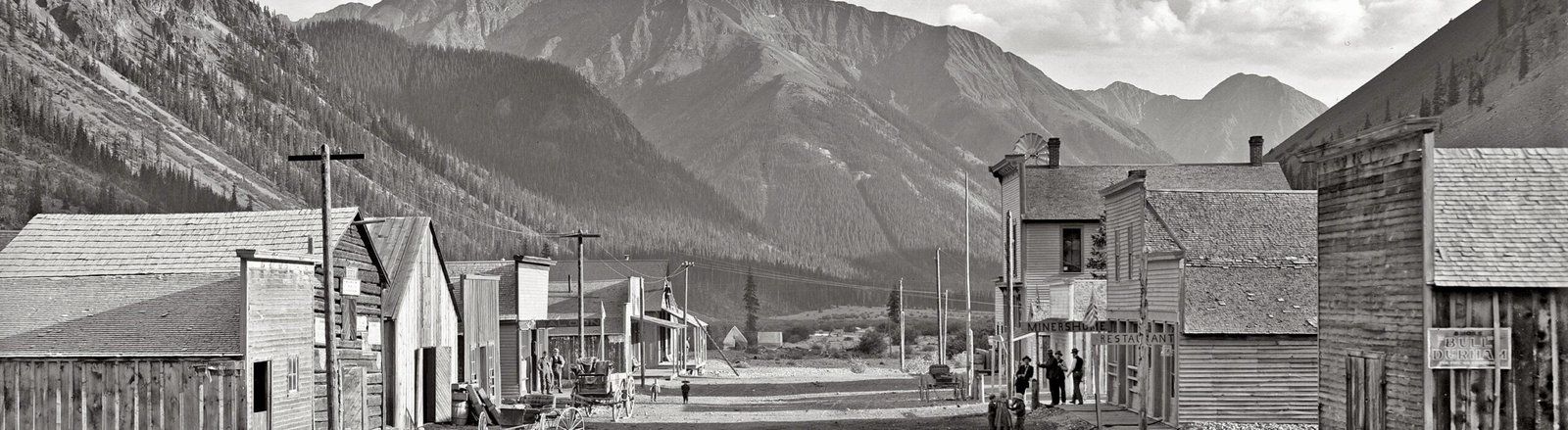
Gold was first discovered in Colorado in 1858 , sparking the Pike’s Peak Gold Rush and drawing thousands of hopeful prospectors to the region.
Key historical highlights include:
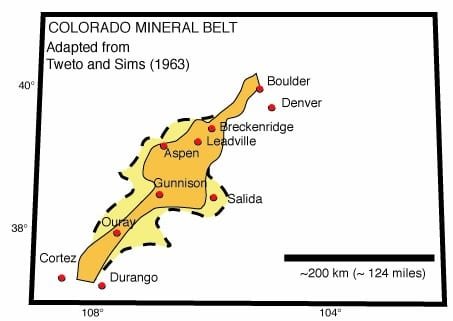
- Gregory’s Gulch (1859) – Site of the first major gold discovery near present-day Black Hawk.
- Cripple Creek & Victor (late 1800s) – One of the richest gold camps in the world.
- Telluride and Ouray – Famous for silver and gold mining.
- Modern era – Over 600 active mining claims in Colorado today, with both large companies and hobbyists involved.
2. Where to Mine for Gold in Colorado Today
While commercial gold production continues on a smaller scale, many areas in Colorado allow recreational gold panning and small-scale prospecting.
Popular Gold Prospecting Areas:
| Location | Description |
|---|---|
| Clear Creek Canyon (Black Hawk, Idaho Springs) | One of the most accessible and productive gold-bearing streams. |
| Cripple Creek & Victor | Rich in placer and lode deposits; some public lands available for prospecting. |
| San Juan Mountains (Telluride, Ouray) | Scenic area with historic gold mines and placer deposits. |
| South Platte River Basin | Known for fine gold particles in streambeds. |
| Arkansas River Valley | Contains gold-bearing gravels along tributaries. |
3. How to Pan for Gold in Colorado
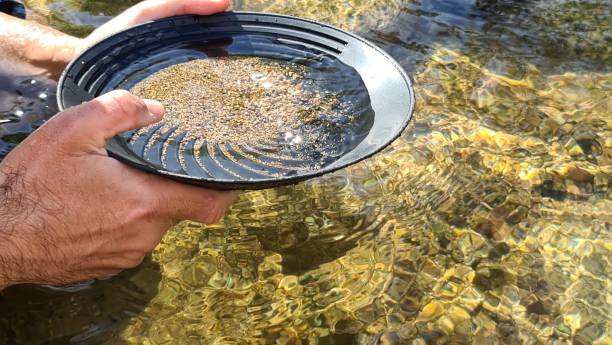
Gold panning is the easiest and most accessible way to start gold prospecting. Here’s how to do it step-by-step:
Step-by-Step Gold Panning Instructions:
- Find a suitable location – Look for gravel bars in streams or rivers.
- Fill your pan with gravel and water
- Shake and swirl to separate lighter materials
- Tilt the pan slightly and wash away lighter sand and silt
- Repeat until only heavy black sands and gold remain
- Use a snuffer bottle to collect tiny gold flakes or nuggets
💡 Pro Tip: Look for “black sands”—they often indicate the presence of gold nearby.
4. Essential Tools for Gold Prospecting
Here’s a list of basic tools you’ll need to get started:
- Gold pan – Plastic pans are lightweight and easy to use.
- Classifier screens – For separating larger rocks from finer material.
- Snuffer bottle – To suck up small gold flakes.
- Metal detector – Useful for finding nuggets above ground.
- Magnet – Helps remove black sands (which are mostly iron).
- Shovel and bucket – For digging and carrying material.
5. Legal Rules and Regulations
Before you begin gold mining in Colorado, it’s important to understand the laws and guidelines:
- Public Lands : Many BLM and US Forest Service lands allow casual prospecting.
- Private Property : Always obtain permission before entering private land.
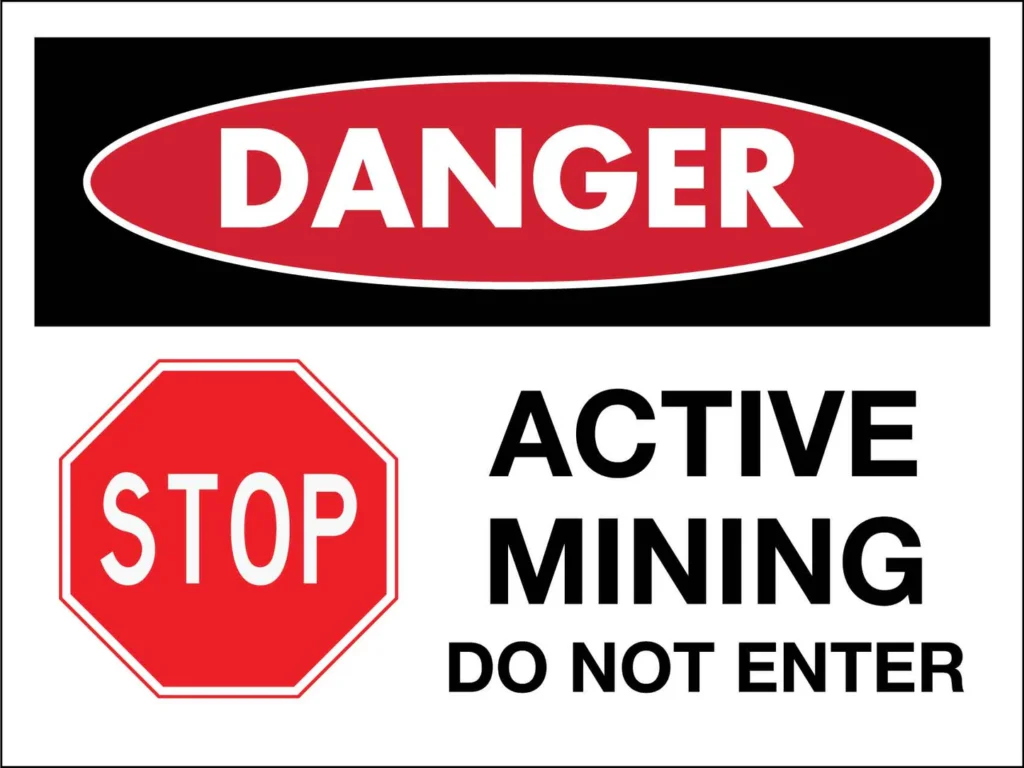
- Mining Claims : Some areas may be under active mining claims—check with local authorities.
- Environmental Protection : Avoid damaging streambeds or disturbing wildlife habitats.
🔍 Tip : Visit the Colorado Division of Reclamation, Mining and Safety (DRMS) or contact local ranger districts for updated rules.
6. Join a Gold Prospecting Club
Connecting with others who share your passion can enhance your experience. Consider joining:
- Denver Gold Prospectors Association
- Rocky Mountain Federation of Mineralogical Societies
- Local metal detecting and lapidary clubs
These groups often organize trips, share tips, and offer mentorship to newcomers
❓ Frequently Asked Questions (FAQs)
Q1: Can I legally mine for gold in Colorado?
A: Yes, but only on public lands open to mineral entry and with proper permissions on private land.
Q2: What kind of gold can I find in Colorado?
A: Mostly placer gold (small flakes and nuggets) found in streams and riverbeds.
Q3: Do I need a permit to pan for gold?
A: No permit is needed for simple hand tools like pans and sluices. Larger equipment may require authorization.
Q4: Is gold still being mined commercially in Colorado?
A: Yes, especially in the Cripple Creek & Victor area, where the Vindicator Mine operates.
Q5: When is the best time to go gold prospecting in Colorado?
A: Late spring through early fall when snow has melted and streams are accessible.