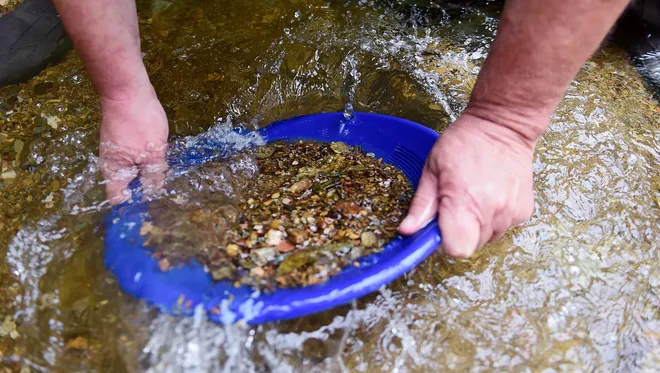
California’s legacy of gold mining began with the legendary 1848 discovery at Sutter’s Mill , which sparked the world-famous California Gold Rush . Over 175 years later, California still offers some of the best recreational gold prospecting opportunities in the United States.
Whether you’re an experienced miner or a curious adventurer, this guide will walk you through:
- The history of gold mining in California
- Where to find gold today
- Tools and techniques for successful prospecting
- Laws and regulations
- Frequently asked questions
1. A Brief History of Gold Mining in California
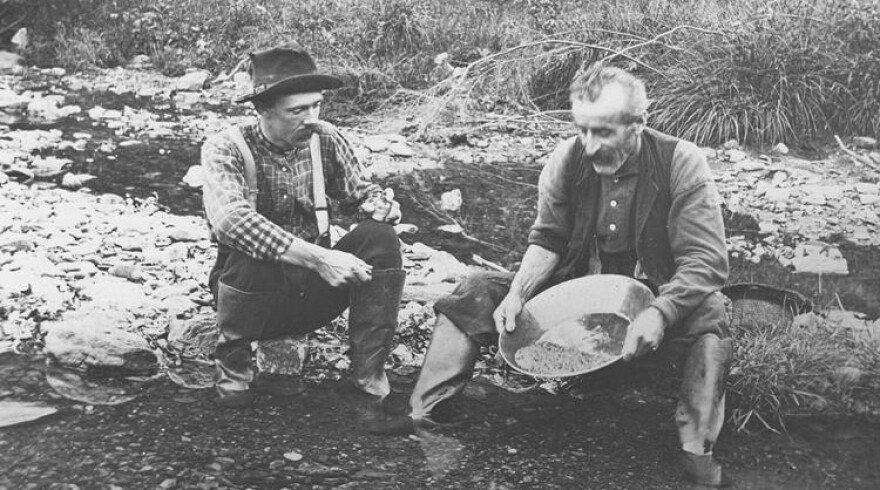
The California Gold Rush (1848–1855) transformed the state forever. It brought over 300,000 people from around the world, dramatically increasing California’s population and leading to its statehood in 1850.
Key historical highlights include:
- Sutter’s Mill (Coloma) – Site of James W. Marshall’s original gold discovery.
- Sierra Nevada foothills – Rich in placer deposits that drew early miners.
- Hydraulic mining era – Large-scale operations reshaped landscapes.
- Modern day – Recreational gold panning is still allowed on many public lands.
2. Where to Mine for Gold in California Today
While large-scale commercial mining has declined, there are still plenty of opportunities for recreational prospecting across the state. Here are some of the top locations:
🔹 American River (Near Sacramento)
One of the most accessible gold-bearing rivers. Popular areas include North Fork , Middle Fork , and South Fork .
🔹 Mariposa County
Known as the “Mother Lode” region, it includes towns like Coulterville and Mariposa , where gold was first discovered.
🔹 Nevada County
Home to historic towns like Grass Valley and Nevada City , and part of the Sierra gold belt.
🔹 Trinity County
Offers remote, scenic areas with high gold potential—especially along the Trinity River .
🔹 San Gabriel Mountains (Southern California)
Surprisingly productive for gold, especially near Lyons Creek and Mint Canyon
3. How to Pan for Gold in California
Gold panning is one of the easiest and most rewarding ways to start prospecting. Here’s how to do it:
Step-by-Step Gold Panning Instructions:
- Find a good location – Look for gravel bars in streams or rivers.
- Fill your pan with gravel and water
- Shake and swirl to separate lighter materials
- Tilt the pan slightly and wash away lighter sand and silt
- Repeat until only heavy black sands and gold remain
- Use a snuffer bottle to collect tiny gold flakes or nuggets
💡 Pro Tip: Use a magnet to remove black iron sands and a magnifier to spot fine gold particles

4. Essential Tools for Gold Prospecting
Here’s a list of basic tools you’ll need to get started:
- Gold pan – Plastic pans are lightweight and easy to use.
- Classifier screens – For separating larger rocks from finer material.
- Snuffer bottle – To suck up small gold flakes.
- Metal detector – Useful for finding nuggets above ground.
- Magnet – Helps remove black sands (which are mostly iron).
- Shovel and bucket – For digging and carrying material.
5. Legal Rules and Regulations
Before you begin gold mining in California, it’s important to understand the laws and guidelines:
- Public Lands : Many BLM and US Forest Service lands allow casual prospecting.
- Private Property : Always obtain permission before entering private land.
- Mining Claims : Some areas may be under active mining claims—check with local authorities.
- Environmental Protection : Avoid damaging streambeds or disturbing wildlife habitats.
🔍 Tip : Visit the California Department of Conservation – Division of Mines and Geology or contact local ranger districts for updated rules.
6. Join a Gold Prospecting Club
Connecting with others who share your passion can enhance your experience. Consider joining:
- California State Miners and Prospectors Association
- Western Mining Alliance
- Local lapidary and metal detecting clubs
These groups often organize trips, share tips, and offer mentorship to newcomers.
❓ Frequently Asked Questions (FAQs)
Q1: Can I legally mine for gold in California?
A: Yes, but only on public lands open to mineral entry and with proper permissions on private land.
Q2: What kind of gold can I find in California?
A: Mostly placer gold (small flakes and nuggets) found in streams and riverbeds.
Q3: Do I need a permit to pan for gold?
A: No permit is needed for simple hand tools like pans and sluices. Larger equipment may require authorization.
Q4: Is gold still being mined commercially in California?
A: Yes, especially in the Humboldt and Sierra Counties , though much smaller scale than in the past.
Q5: When is the best time to go gold prospecting in California?
A: Late spring through early fall when snow has melted and streams are accessible.