
Gold has captivated humanity for millennia—not just as a symbol of wealth and power, but as a cornerstone of economies and technologies. From ancient river panning to high-tech modern extraction, gold mining remains one of the most important industries in the world.
1. The History of Gold Mining
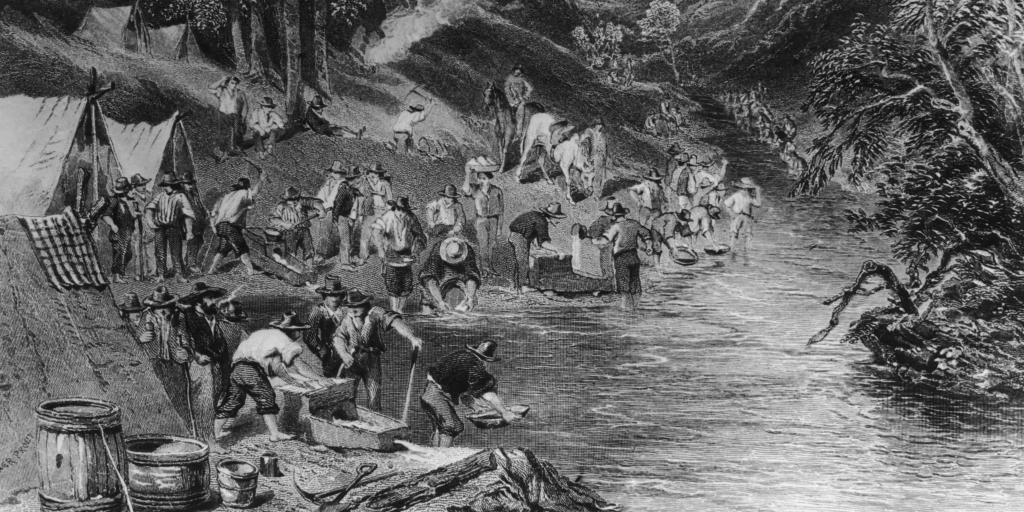
Gold mining dates back to ancient civilizations like the Egyptians, Greeks, and Romans, who extracted gold using primitive tools and manual labor. Over time, methods evolved with technological advancements.
- Ancient miners used panning and sluicing
- Roman engineers developed hydraulic mining
- The California Gold Rush (1848–1855) revolutionized mining techniques
- Today, gold mining is a global industry worth billions
2. Types of Gold Deposits
Gold can be found in various geological formations. Understanding these helps determine the best mining approach.
Placer Deposits
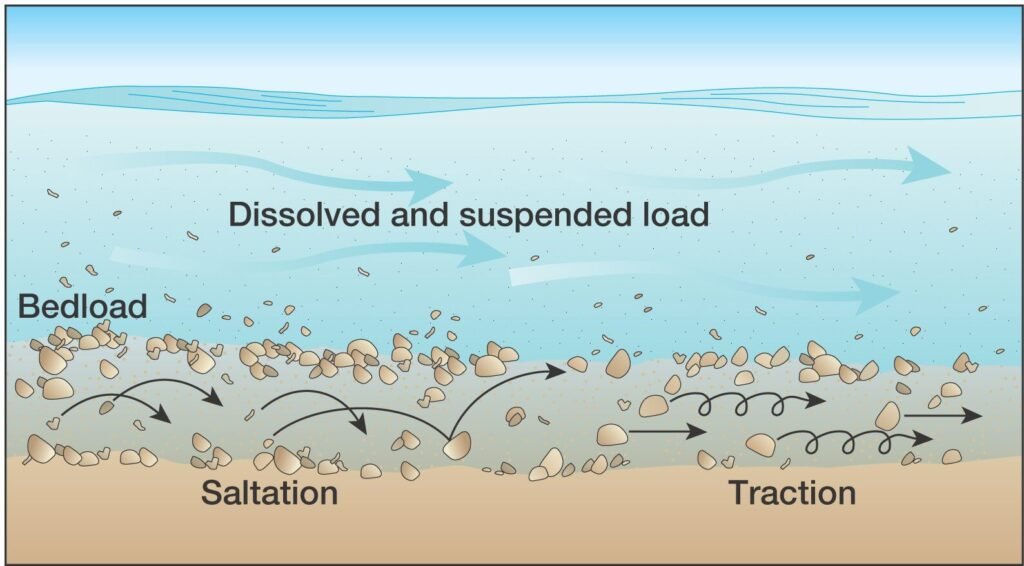
Found in riverbeds and alluvial soils; often mined through panning, sluicing, or dredging
Lode Deposits
Gold embedded in rock; requires drilling, blasting, and processing
Byproduct Deposits
Gold recovered as a byproduct from mining other metals like copper or silver
3. Common Gold Mining Methods
Different types of gold deposits require different mining approaches. Here are the most common methods used today:
Panning
The oldest method—uses water and a pan to separate gold from sediment.
Sluicing
Uses a wooden box with riffles to trap gold particles in flowing water.
Dredging
Large machines suck up gravel and water to extract gold from riverbeds.
Hard Rock Mining
Used for lode deposits; involves drilling, blasting, and crushing ore.
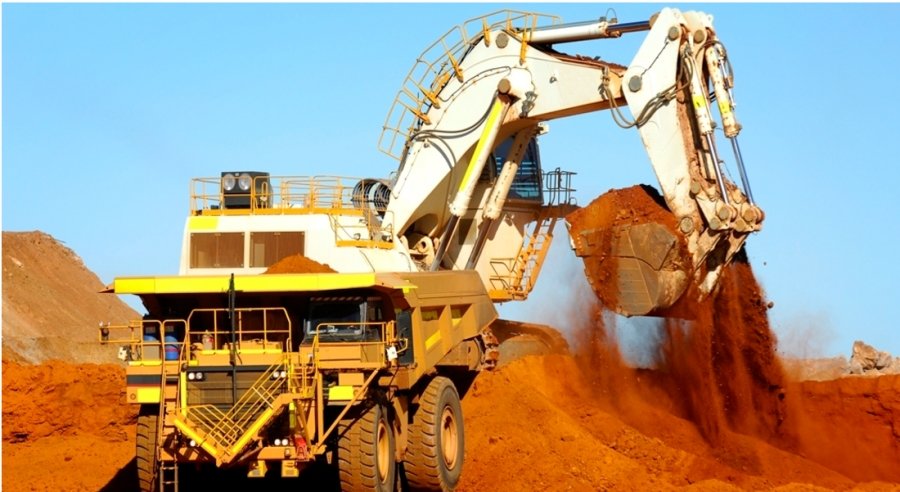
Open-Pit Mining
Massive surface excavation for large gold deposits.
Heap Leaching
Chemicals like cyanide are used to extract gold from crushed ore.
4. Environmental Impact and Sustainability
While gold mining is economically vital, it also poses environmental risks such as:
- Deforestation
- Water contamination
- Soil erosion
- Mercury and cyanide pollution
However, many companies are now adopting sustainable practices, such as:
- Using non-toxic extraction methods
- Rehabilitating mined land
- Reducing water usage
- Supporting ethical sourcing and fair trade gold
5. How to Start Gold Mining (For Hobbyists & Beginners)
If you’re interested in small-scale or recreational gold mining, here’s how to get started:
- Research local laws and regulations
- Get proper permits if required
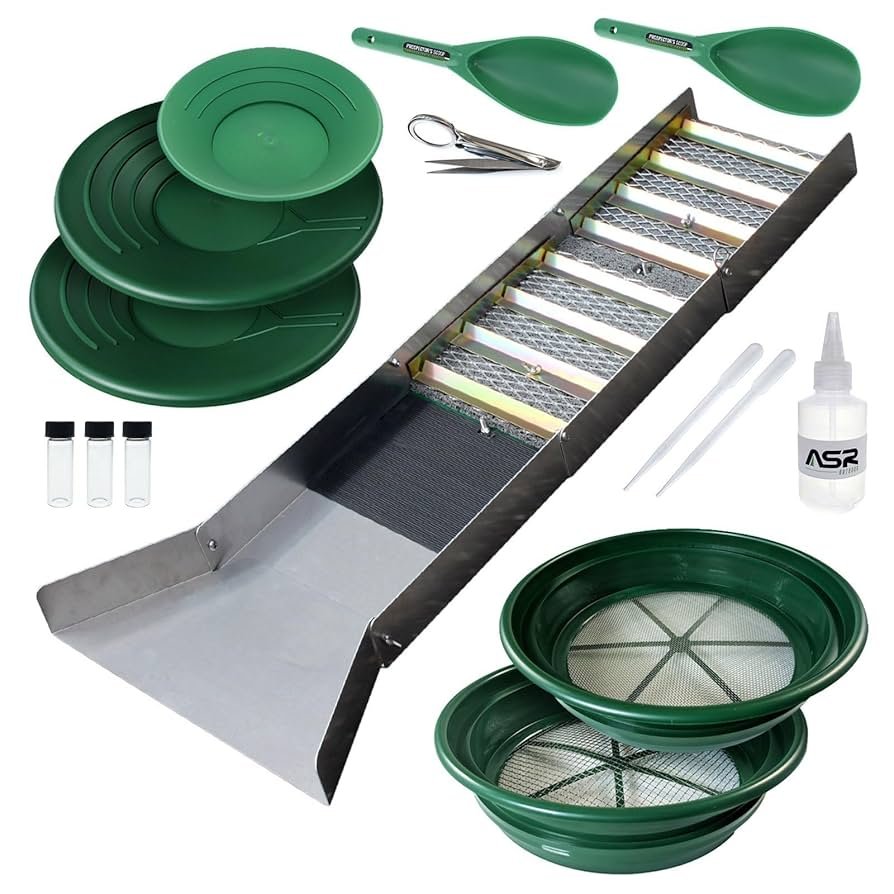
- Invest in basic tools like pans, sluices, and metal detectors
- Join local prospecting clubs
- Learn from experienced miners
❓ Frequently Asked Questions (FAQs)
Q1: Is gold mining still profitable today?
A: Yes, especially for large-scale operations. Small-scale mining can also be rewarding as a hobby or side income.
Q2: Where is the most gold mined in the world?
A: China is currently the largest gold producer, followed by Russia, Australia, and the United States.
Q3: What equipment do I need to start gold panning?
A: You’ll need a gold pan, shovel, classifier screens, and access to a stream or river with potential gold deposits.
Q4: Can you mine gold legally?
A: Yes, but you must comply with local laws, obtain necessary permits, and follow environmental regulations.
Q5: Does gold mining harm the environment?
A: It can, particularly when done irresponsibly. However, modern sustainable practices are helping reduce negative impacts.