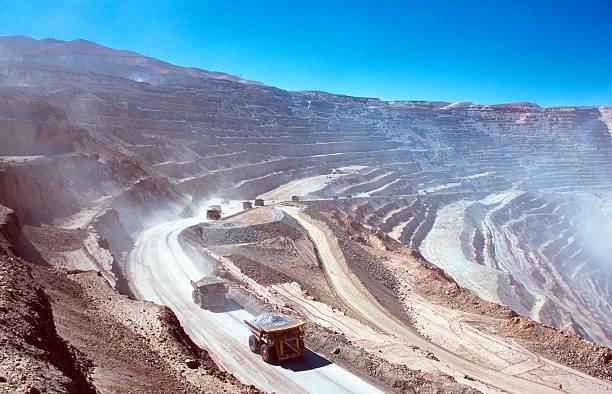
Gold mining has shaped economies and fueled exploration for centuries. In this article, we break down the gold mining process , from discovery to refining, and explain how raw ore becomes the shiny metal we value so highly.
1. Exploration and Discovery
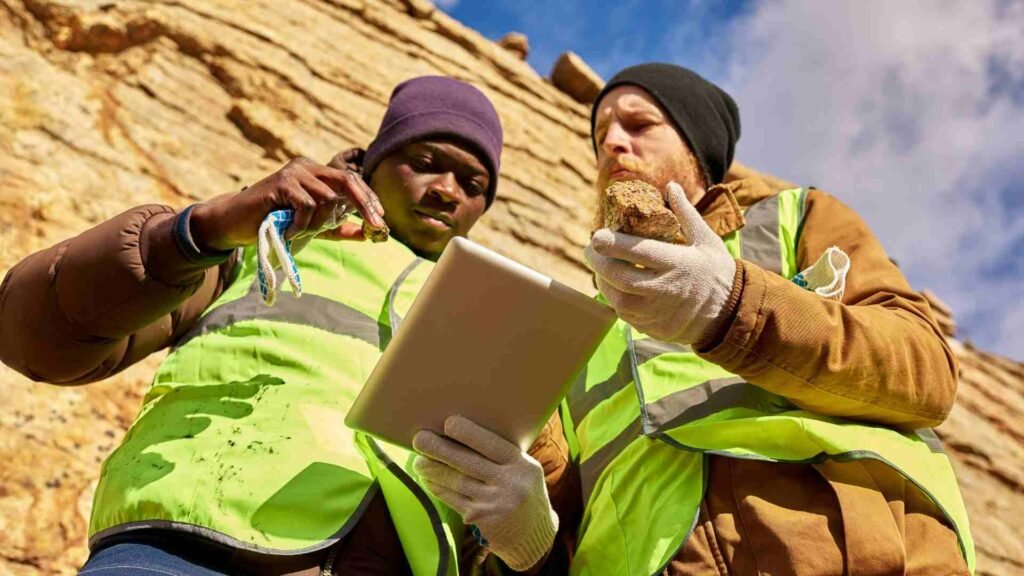
The first step in gold mining is identifying potential gold deposits. Geologists use satellite imagery, soil testing, and seismic surveys to locate areas rich in gold. This phase can take years and involves extensive research and investment.
2. Mine Development
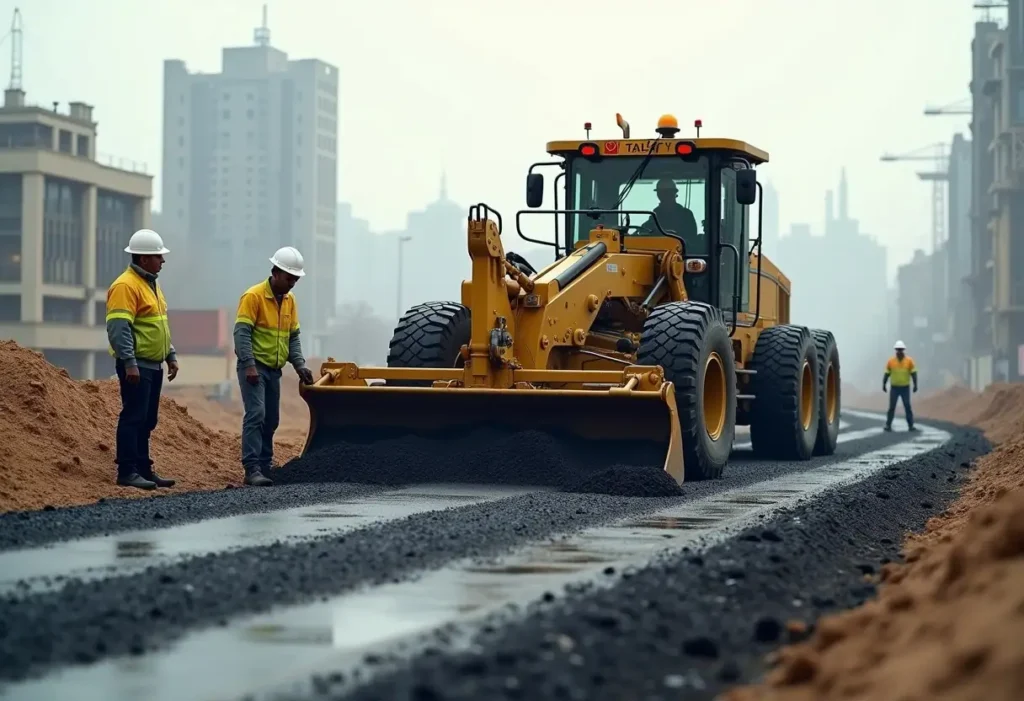
Once a deposit becomes confirmed, companies develop the mine. This includes building access roads, setting up processing facilities, and preparing the land for extraction—either through open-pit mining or underground mining .
3. Extraction Methods
There are two main methods of extracting gold:
- Open-pit mining : Used for gold found near the surface.
- Underground mining : Preferred for deeper deposits.
Large machines and explosives become employed to remove the ore. Then transportation to processing plants takes place.

4. Processing and Refining
At the plant, gold ore undergoes crushing into fine powder and treated using methods like:
- Cyanide leaching
- Gravity separation
- Smelting and refining
This separates the gold from other minerals and produces pure gold bars ready for sale.
5. Reclamation and Closure
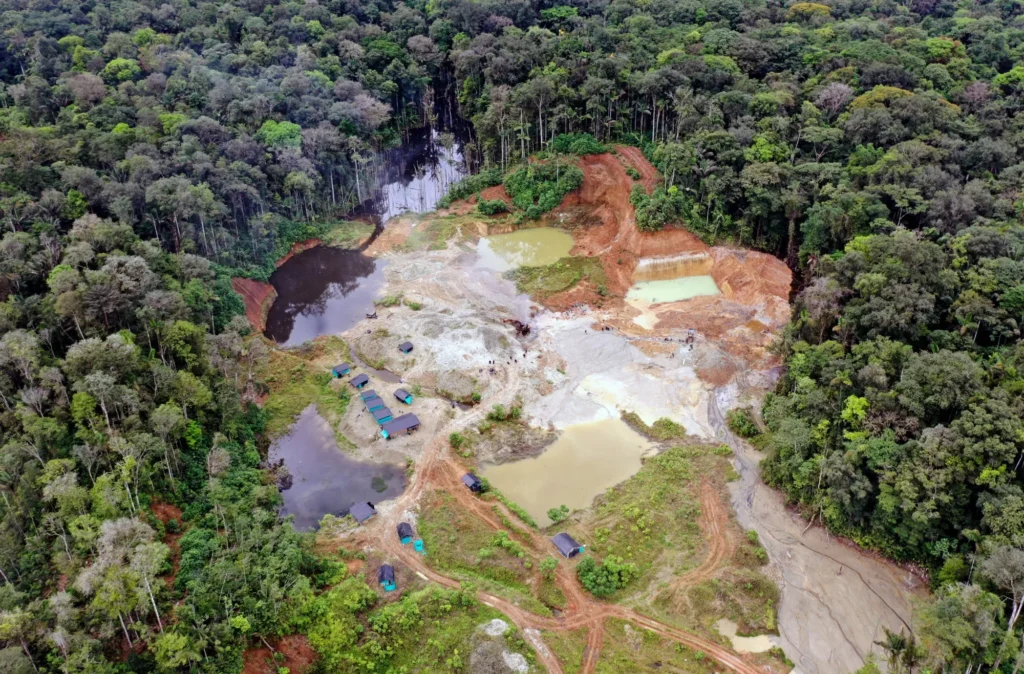
After mining completion, companies put effort to restore the land by replanting vegetation and stabilizing the soil to prevent erosion and pollution.
FAQs
Q: How long does it take to mine and refine gold?
A: From discovery to production, it can take 5–10 years to bring a gold mine into operation.
Q: What chemicals are used in gold mining?
A: Cyanide and mercury are commonly used to extract gold, though safer alternatives are being developed.
Q: Is all gold mined the same way?
A: No—methods vary depending on the location, depth, and size of the deposit.