Gold has been mined for thousands of years and remains one of the most valuable and sought-after metals in the world. But as easily accessible deposits are depleted, many wonder: How long will gold mining last?
In this article, we explore the lifespan of global gold mining , considering known reserves, exploration trends, technological advancements, and environmental constraints.
1. Global Gold Reserves Overview
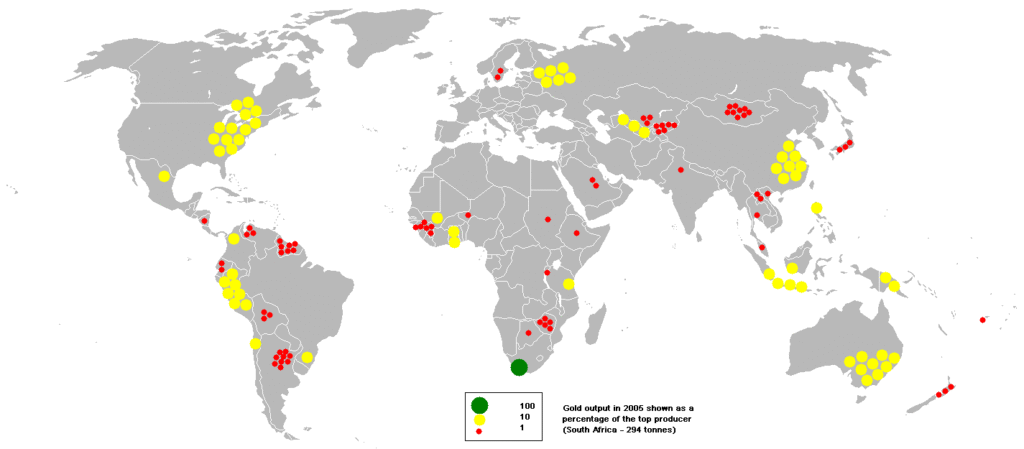
![Global Gold Reserves Map Image Description: A world map highlighting major gold-producing countries like China, Australia, Russia, and South Africa with reserve estimates.]
According to the U.S. Geological Survey (USGS) :
- The world has approximately 50,000 metric tons of identified gold reserves .
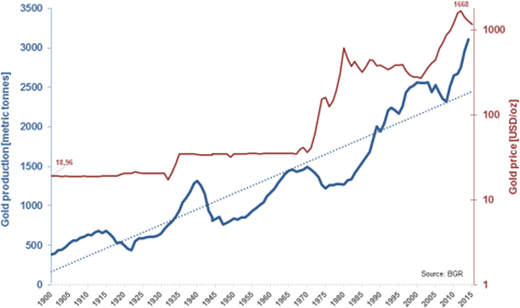
- Annual global production is around 3,600 metric tons .
At current rates of extraction, these known reserves would last roughly 10–15 more years —but this assumes no new discoveries or improvements in mining technology.
2. Historical Depletion Trends
Humans have already mined over 200,000 metric tons of gold throughout history:
- Most of it has come from just a few major regions.
- As high-grade deposits were exhausted, miners had to dig deeper and invest more to extract lower-quality ore.
This trend suggests that while gold isn’t disappearing, it’s becoming harder and more expensive to find and mine.
3. Future Discoveries Could Extend Mining
New discoveries could significantly extend the life of gold mining:
- Underexplored regions like parts of Africa, Asia, and South America may still hold untapped deposits.
- Deep-sea mining is being explored as a potential source of gold from hydrothermal vents.
- Space mining – though currently theoretical – could one day provide access to extraterrestrial gold sources.
These possibilities mean gold mining could continue far beyond current reserve estimates.
4. Economic and Environmental Constraints
![Environmental Impact Image Description: A polluted river near a mine site with signs warning of mercury contamination.]
Even if gold remains underground, several factors may limit its extraction:
- Rising operational costs
- Stricter environmental regulations
- Community opposition and land rights issues
- Political instability in key mining regions
These pressures may cause gold production to peak before physical reserves are fully depleted .
5. Recycling and Alternative Sources
As traditional mining slows, alternative sources will play a bigger role:
- Recycling electronics and jewelry can recover significant amounts of gold.
- Urban mining – recovering metals from waste streams – is gaining traction.
- Synthetic gold – although not widely used – could reduce reliance on newly mined gold.
These alternatives will help meet demand even as traditional mining declines.

FAQs
Q: Will we ever stop mining gold?
A: Eventually, yes—but not soon. Technological advances, recycling, and new discoveries will keep gold mining viable for decades or even centuries.
Q: How much gold is left to mine?
A: Around 50,000 metric tons of identified reserves remain, though more may exist in unexplored areas.
Q: What happens when we can’t mine gold anymore?
A: Prices will rise, recycling will increase, and industries may shift toward synthetic or recovered materials to meet demand.