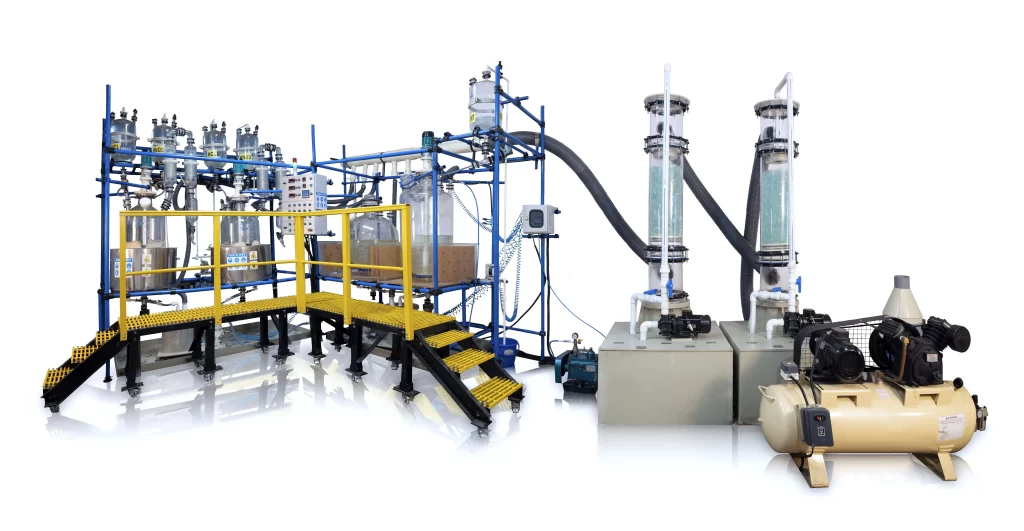
South Africa has long been a dominant force in the global gold industry. While its production levels have declined from mid-20th century peaks, the country remains a major player — not only in mining but also in gold refining .
Gold refineries in South Africa play a crucial role in transforming raw gold into investment-grade bullion, coins, and bars that meet international standards. These refined products are then traded globally, contributing significantly to South Africa’s economy.
The Role of Gold Refineries
Gold refineries purify raw gold extracted from mines or recycled sources to produce high-purity gold (typically 99.5% to 99.99% purity). This process involves:
- Melting and smelting
- Chemical treatment (e.g., Aqua Regia or Miller process)
- Casting into bars or minting into coins
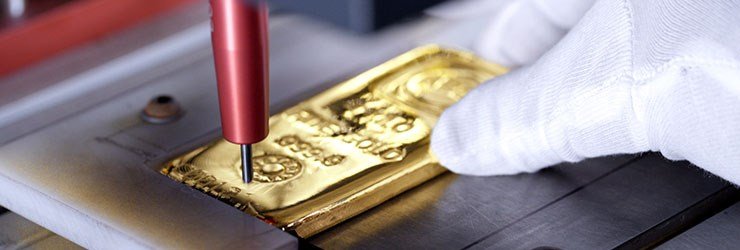
Refined gold is then stamped with:
- Purity level
- Refinery mark
- Serial numbers (for larger bars)
This certification ensures that the gold meets standards set by organizations like the London Bullion Market Association (LBMA) and is acceptable for trading on global markets.
Major Gold Refineries in South Africa
Here are some of the most prominent gold refineries operating in South Africa:
1. Rand Refinery (Pty) Ltd
- Location: Germiston, Gauteng
- Founded: 1921
- Significance: The largest gold refiner in Africa and one of the top in the world.
- Products: Krugerrands, gold bars, and industrial gold applications.
- Certifications: LBMA, Good Delivery List
Rand Refinery is historically significant as it helped establish South Africa as a global gold hub. It refines over half of Africa’s gold output and plays a key role in producing the iconic Krugerrand coin , first minted in 1967.
2. AngloGold Ashanti Refinery
- Location: Randfontein, Gauteng
- Role: Processes gold from AngloGold Ashanti’s own mines and third-party suppliers.
- Output: High-purity gold bars used for investment and central bank reserves.
AngloGold Ashanti operates both mining and refining facilities, making it vertically integrated within the gold supply chain.
3. Sibanye-Stillwater Precious Metals Refinery
- Location: Springs, Gauteng
- Focus: Refining gold and platinum group metals (PGMs)
- Contribution: Processes gold from Sibanye-Stillwater’s deep-level mines and external clients.
The company has invested heavily in sustainable refining practices and environmental compliance.
4. Mintek
- Location: Randburg, Gauteng
- Specialization: Research and development in mineral processing and precious metal refining.
- Services: Small-scale refining, pilot plant testing, and technology innovation for the mining sector.
Although not a commercial refiner at scale, Mintek supports the industry through advanced metallurgical research.
Why South Africa Is Important in Gold Refining
South Africa’s strategic position in the gold industry stems from several factors:
- Historic Gold Production: Decades of large-scale mining created an infrastructure well-suited for refining.
- Expertise and Technology: Years of experience have led to highly skilled labor and advanced refining technologies.
- Regulatory Framework: Strong legal oversight ensures transparency and traceability of gold products.
- Global Recognition: Refineries like Rand Refinery are listed on the LBMA’s Good Delivery List, ensuring their gold is accepted worldwide.
Frequently Asked Questions (FAQs)
Q: Are there gold refineries in South Africa?
A: Yes, South Africa hosts several major gold refineries, including Rand Refinery, AngloGold Ashanti, and Sibanye-Stillwater.
Q: What is the most famous gold refinery in South Africa?
A: Rand Refinery is the most renowned, known for producing Krugerrands and supplying gold to international markets.
Q: Can individuals buy gold from South African refineries?
A: Direct purchases from refineries are usually reserved for institutions, but investors can buy certified gold bars and coins through authorized dealers.
Q: Is gold from South Africa pure?
A: Yes, South African refineries produce gold that meets international standards of purity (99.5% to 99.99%).
Q: What is the Krugerrand?
A: The Krugerrand is a South African gold coin produced by Rand Refinery. First issued in 1967, it was the world’s first gold bullion coin and remains popular among collectors and investors.
Conclusion
Gold refineries in South Africa remain essential to the country’s legacy as a leader in the global gold market, offering trusted, certified gold products that continue to be sought after worldwide.