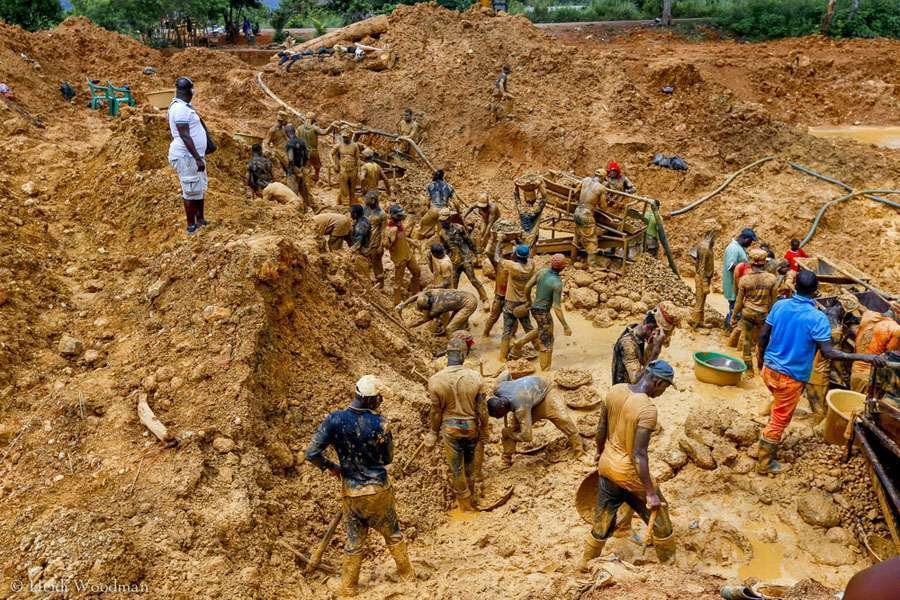
Tanzania is one of the top gold-producing countries in Africa , and gold plays a significant role in its economy. Whether you’re an investor, miner, or traveler, understanding the gold rate in Tanzania can help you make informed decisions about buying, selling, or investing in this valuable metal.
How Is Gold Priced in Tanzania?
The price of gold in Tanzania is primarily quoted in Tanzanian Shillings (TZS) , though international traders and investors often track it in US Dollars (USD) or Euros (EUR) to compare with global market rates.
As of recent data:
- 1 gram of 24K gold costs approximately 200,000 – 230,000 TZS
- 1 troy ounce (31.1 grams) of gold is valued at around 6,200,000 – 7,150,000 TZS
These prices fluctuate daily depending on:
- The global spot price of gold
- The exchange rate between TZS and USD
- Local taxes, import duties, and dealer premiums
Example Price Table:
| Unit | Approximate Price in TZS |
|---|---|
| 1 gram of 24K gold | 200,000 – 230,000 TZS |
| 5 grams | 1,000,000 – 1,150,000 TZS |
| 10 grams | 2,000,000 – 2,300,000 TZS |
| 1 troy ounce (31.1g) | 6,200,000 – 7,150,000 TZS |
Factors Influencing Gold Prices in Tanzania
Several key factors affect how much gold is worth in Tanzania:
1. Global Gold Market
Gold prices worldwide are set by major exchanges like the London Bullion Market Association (LBMA) and COMEX in New York. When global prices rise, local Tanzanian buyers and sellers benefit from higher returns.
2. Currency Exchange Rates
Since gold is priced globally in US Dollars , fluctuations in the TZS/USD exchange rate directly impact local pricing. A weaker shilling makes imported gold more expensive.
3. Artisanal and Small-Scale Mining (ASM)
A large portion of Tanzania’s gold output comes from informal, small-scale operations. These miners often sell directly to local buyers, which affects local supply and pricing structures.
4. Government Regulations and Taxes
The Tanzanian government imposes export duties and licensing requirements on gold trade. These regulations aim to formalize the sector but also influence final gold prices.
5. Cultural Demand
Gold is highly valued in Tanzanian culture, especially for weddings, ceremonies, and savings. This consistent demand supports a strong local market for gold jewelry and bullion.
Where Can You Buy or Sell Gold in Tanzania?
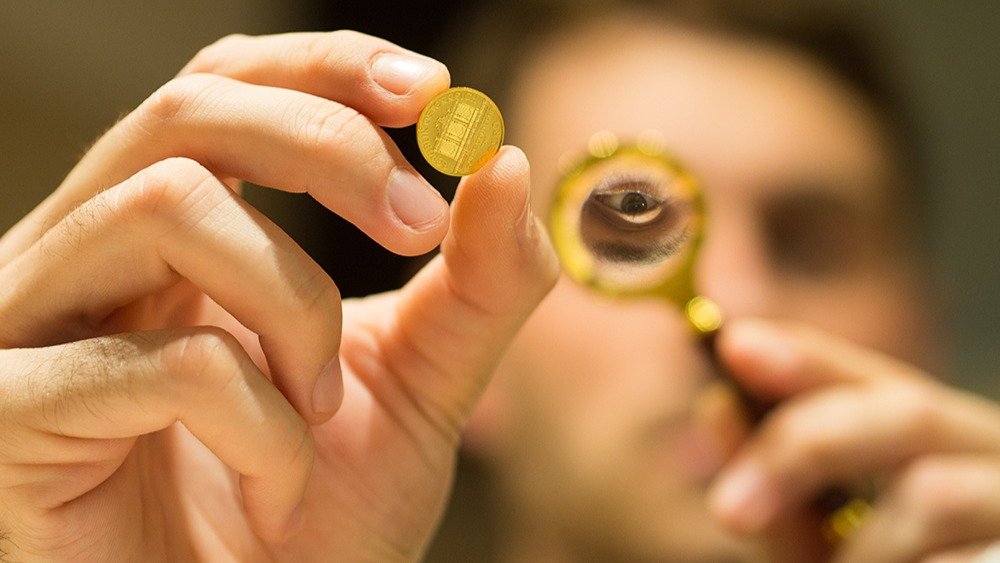
If you’re looking to buy or sell gold in Tanzania, here are the most common and legal channels:
- Licensed gold dealers approved by the Bank of Tanzania
- Mining cooperatives involved in artisanal extraction
- International mining companies operating in the country
- Local jewelers and pawnshops that deal in recycled gold
It’s important to ensure all transactions go through certified dealers to avoid issues related to legality or conflict minerals.
Frequently Asked Questions (FAQs)
Q: What is the current gold price in Tanzania per gram?
A: As of recent estimates, 1 gram of 24K gold costs between 200,000 and 230,000 TZS , depending on market conditions.
Q: How does the gold price in Tanzania compare to other African countries?
A: It aligns closely with global prices adjusted for currency and taxes. Compared to Ghana or South Africa, Tanzania’s pricing is competitive due to its proximity to production zones.
Q: Can foreigners buy gold in Tanzania?
A: Yes, but foreign buyers must work with licensed dealers and comply with export regulations to legally transport gold out of the country.
Q: Is gold taxed in Tanzania?
A: Yes, the government imposes export duties and VAT on gold sales, particularly for large-scale operations.
Q: Why do gold prices change every day in Tanzania?
A: Because gold is a globally traded commodity, prices fluctuate daily based on supply and demand, currency exchange rates, and geopolitical events affecting the market.
Conclusion
Understanding the gold rate in Tanzania is essential for investors, traders, and locals alike, as it reflects both global trends and unique regional dynamics shaping East Africa’s growing gold market.