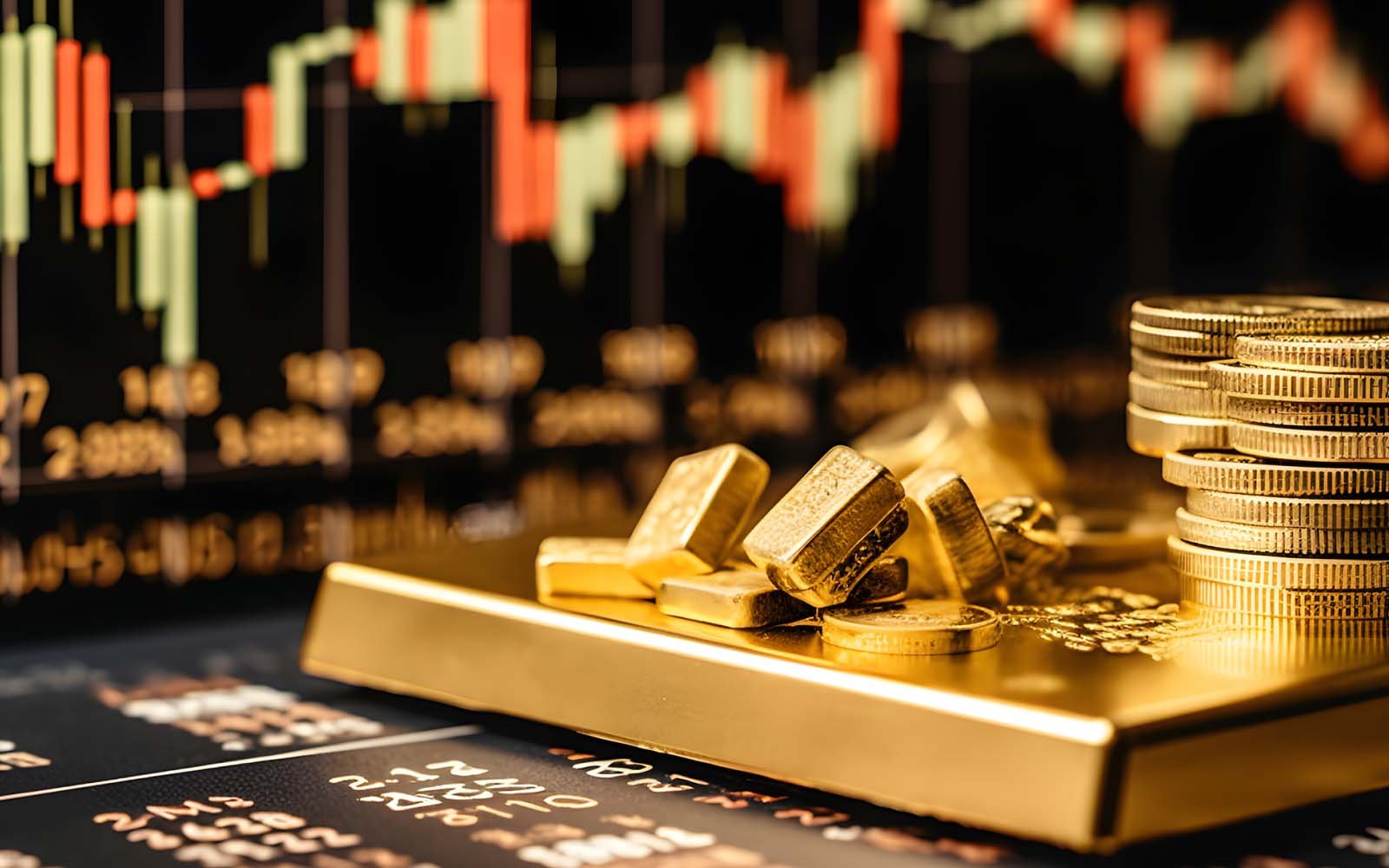
The gold rate in East Africa varies by country and is influenced by global market prices, local currency strength, taxes, and dealer premiums. Countries like Tanzania, Kenya, Uganda, and Ethiopia all experience different gold rates based on these factors.
Understanding how the gold rate is determined can help investors, traders, and buyers make informed decisions when purchasing or selling gold in the region.
1. Tanzania – The Leading Gold Market in East Africa
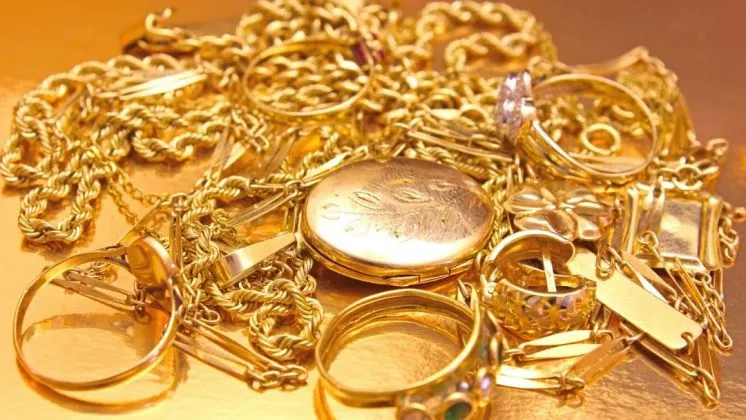
As the largest gold producer in the region, Tanzania has a well-established gold market with active trading in:
- Gold bars
- Coins (e.g., Krugerrands)
- Jewelry
Gold prices are based on the international spot price, adjusted for the Tanzanian Shilling (TZS) exchange rate and dealer margins.
📌 Example: If gold is at $2,350 per ounce and the USD/TZS rate is 2,300, one ounce equals around TZS 5.4 million before retail markup.
2. Kenya – Growing Demand for Gold
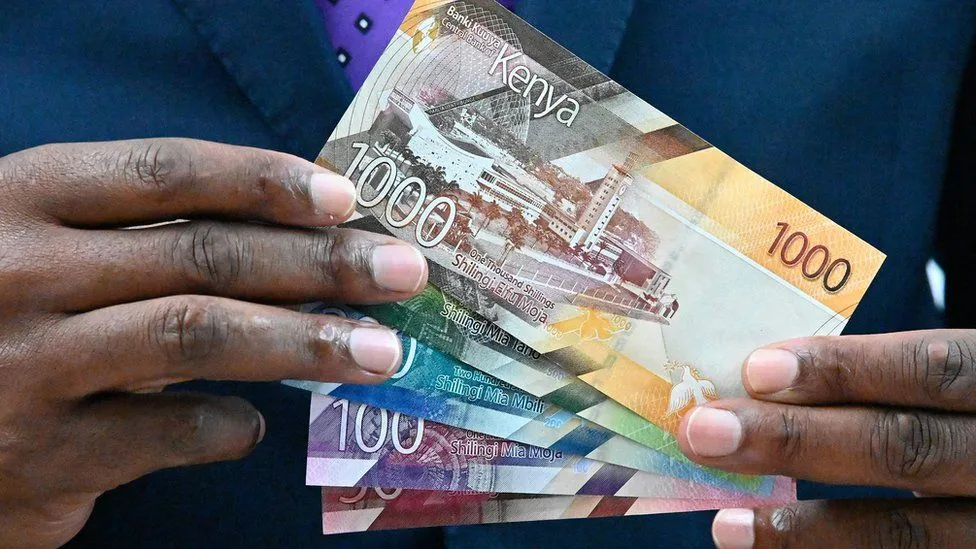
In Kenya, gold is primarily purchased as jewelry, bars, or coins, especially during festivals and wedding seasons.
Gold rates are updated daily by jewelers and dealers, depending on:
- Global gold prices
- Kenyan Shilling (KES) value
- Import duties and taxes
📌 Tip: Nairobi has several licensed gold dealers offering certified products with transparent pricing.
3. Uganda – Developing Gold Market
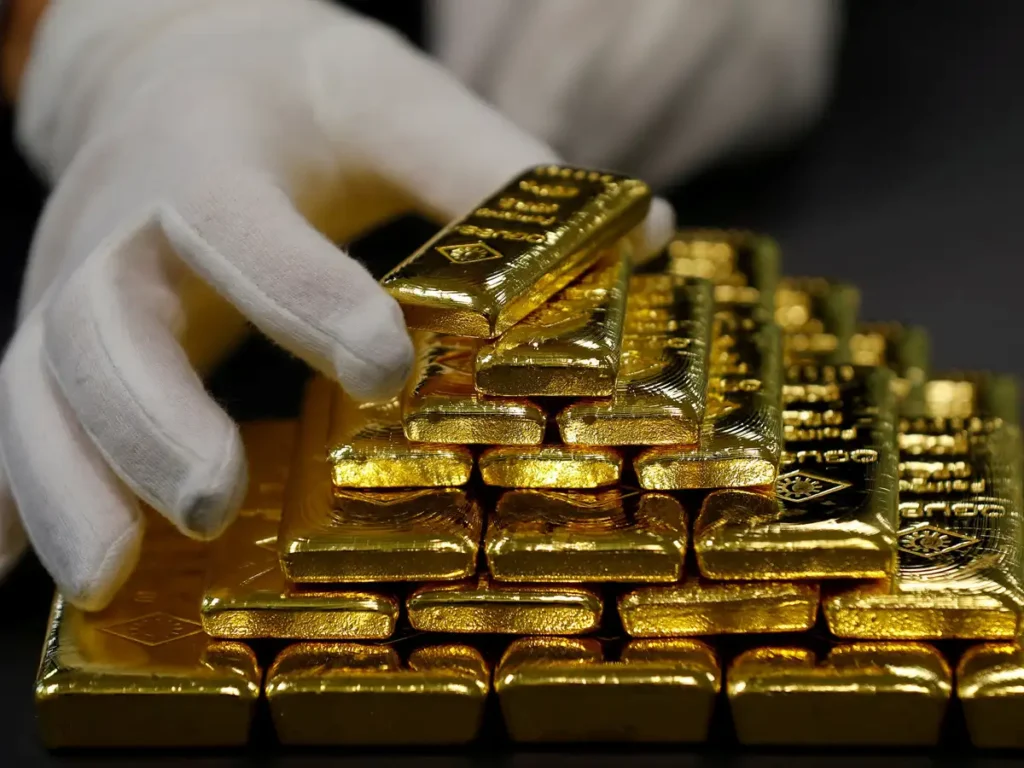
Although Uganda’s formal gold production is still small, the domestic market is growing. Gold is often sold through:
- Private traders
- Bullion dealers
- Small-scale miners
Prices are generally close to the international rate but may include higher premiums due to limited regulation and fewer formal outlets.
4. Ethiopia – Emerging Gold Trading Hub
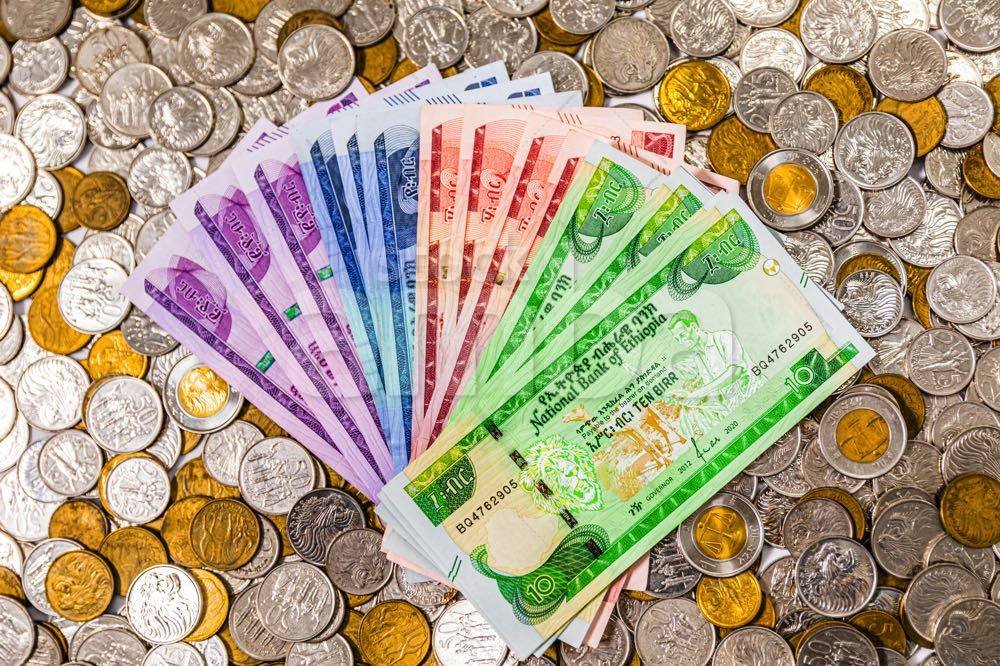
Ethiopia has been expanding its gold sector, with more licensed dealers and refineries entering the market. Gold rates are influenced by:
- Central Bank policies
- USD/ETB exchange rate
- Import regulations
There is increasing interest in gold investment among urban populations, particularly in Addis Ababa.
5. Factors That Affect Gold Rates in East Africa
| Factor | Impact |
|---|---|
| Global gold price | Directly affects local rates |
| Local currency strength | A weaker currency raises gold cost |
| Import duties and taxes | Increase final consumer prices |
| Dealer premiums | Vary based on product type and brand |
| Market demand | Festivals and cultural events boost buying |
Frequently Asked Questions (FAQ)
Q: Where can I check today’s gold rate in East Africa?
A: Use online platforms like Goldprice.org, local jeweler websites, or WhatsApp updates from certified dealers.
Q: Is gold cheaper in Tanzania than in Kenya?
A: Often yes, due to Tanzania’s larger gold market and more competitive pricing.
Q: Can I sell gold in East Africa easily?
A: Yes, especially in major cities where licensed dealers buy gold bars, coins, and jewelry.
Final Thoughts
The gold rate in East Africa fluctuates based on global trends and local economic conditions. Whether you’re investing or purchasing jewelry, staying updated on daily rates and understanding regional differences will help you get the best value.
As East Africa continues to develop its gold sector, transparency and accessibility are expected to improve across the board.