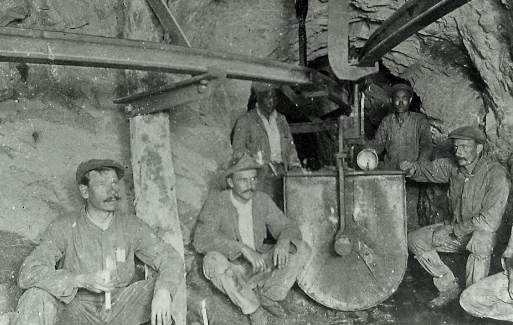
South Africa has long been a powerhouse in global gold production. For much of the 20th century, it was the world’s leading gold producer , shaping markets and economies with its vast output. While production has declined from its peak, South Africa remains an important player in the industry, with significant reserves and ongoing efforts to modernize operations.
A Historical Perspective on Gold Mining
The discovery of gold in the Witwatersrand Basin in 1886 led to the founding of Johannesburg and ushered in an era of industrial growth. By the mid-20th century, South Africa was producing nearly 75% of the world’s gold , fueling both economic development and political change.
At its peak in 1970 , annual production exceeded 1,000 metric tons . However, over the decades, production has steadily declined due to:
- Aging mines
- Rising operational costs
- Deep-level mining challenges
- Power shortages
- Labor disputes and regulatory hurdles
Despite these issues, South Africa still ranks among the top 10 gold-producing countries globally.
Current State of Gold Production
According to recent reports from the U.S. Geological Survey (USGS) and local mining authorities:
South Africa produces approximately 90–100 tonnes of gold annually , down significantly from its historical highs.
This decline is partly due to the exhaustion of easily accessible ore bodies and the high cost of extracting gold from increasingly deeper mines — some reaching depths of over 4,000 meters below surface .
Key Factors Impacting Modern Gold Production
| Factor | Description |
|---|---|
| Depth of Mines | Many South African gold mines are the deepest in the world, increasing energy and safety demands. |
| Power Supply Issues | Frequent load-shedding disrupts operations and increases reliance on costly backup power. |
| Labor Challenges | Strikes and union disputes remain common, affecting productivity and stability. |
| Regulatory Environment | Changes in mining laws and royalty structures influence investment decisions. |
| Technological Shifts | Companies are investing in automation and digital systems to improve efficiency and safety. |
Major Gold-Producing Regions
Most of South Africa’s gold production comes from the Witwatersrand Basin , which spans three key provinces:
- Gauteng
- Home to Johannesburg and major mines like Mponeng and Savuka
- The most historically productive region
- North West Province
- Hosts several large-scale operations including parts of the Kloof-Driefontein Complex
- Free State
- Known for deep-level mining and new exploration projects
- Site of the South Deep Mine , one of the largest undeveloped gold resources
These areas continue to attract investment despite the technical and financial challenges involved.
Leading Gold Producers in South Africa
Several top-tier companies dominate gold production in South Africa:
| Company | Notable Mines | Key Features |
|---|---|---|
| AngloGold Ashanti | Mponeng, TauTona, Kopanang | One of the largest gold producers globally |
| Sibanye-Stillwater | Driefontein, Kloof, Beatrix | Investing heavily in revitalization and automation |
| Harmony Gold | Savuka, Doornfontein, Moab Khotsong | Specializes in ultra-deep mining operations |
| Gold Fields | South Deep | Focused on sustainable, long-life assets |
| DRDGold | Ergo Plant, Far West Tailings Plant | Specializes in reprocessing old tailings |
These companies play a vital role in maintaining South Africa’s presence in the global gold market.
Frequently Asked Questions (FAQs)
Q: How much gold does South Africa produce per year?
A: South Africa currently produces around 90–100 metric tons of gold annually , a significant drop from its peak of over 1,000 tons in the 1970s.
Q: Why has gold production in South Africa declined?
A: Due to aging mines, rising costs, deep-level mining challenges, power shortages, and labor unrest.
Q: Where is most of South Africa’s gold mined?
A: Most gold comes from the Witwatersrand Basin , particularly in Gauteng, North West , and Free State provinces.
Q: Is South Africa still a major gold producer?
A: Yes, despite declining output, it ranks among the top 10 gold-producing countries globally.
Q: What are the deepest gold mines in the world?
A: Several South African mines, including Mponeng , reach depths of over 4,000 meters , making them the deepest in the world.
Conclusion
Gold production in South Africa continues to reflect a blend of legacy, challenge, and opportunity — rooted in history yet striving for innovation in a competitive global market.