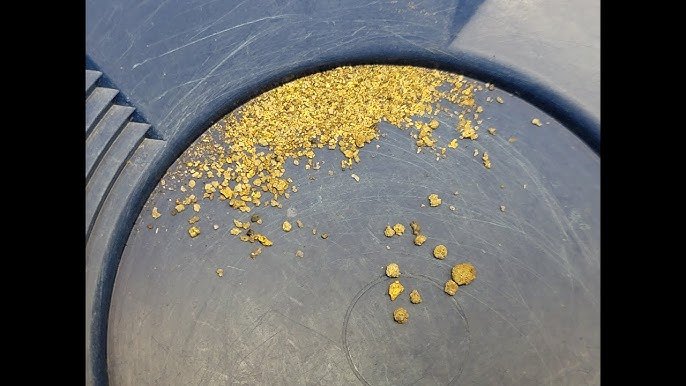
When most people think of Yosemite National Park , they imagine towering granite cliffs, giant sequoias, and breathtaking waterfalls — and rightly so. But just beyond the park’s borders lies another treasure from California’s past: gold .
The area surrounding Yosemite played a key role during the 1848 Gold Rush , drawing thousands of prospectors into the rugged foothills of the Sierra Nevada . While commercial mining has long since faded, remnants of this golden era still exist — and opportunities for recreational gold panning are alive and well.
Whether you’re visiting Yosemite or living in the Central Valley, you can explore the region’s historical gold mines , try your luck at panning, or learn how gold helped shape the American West.
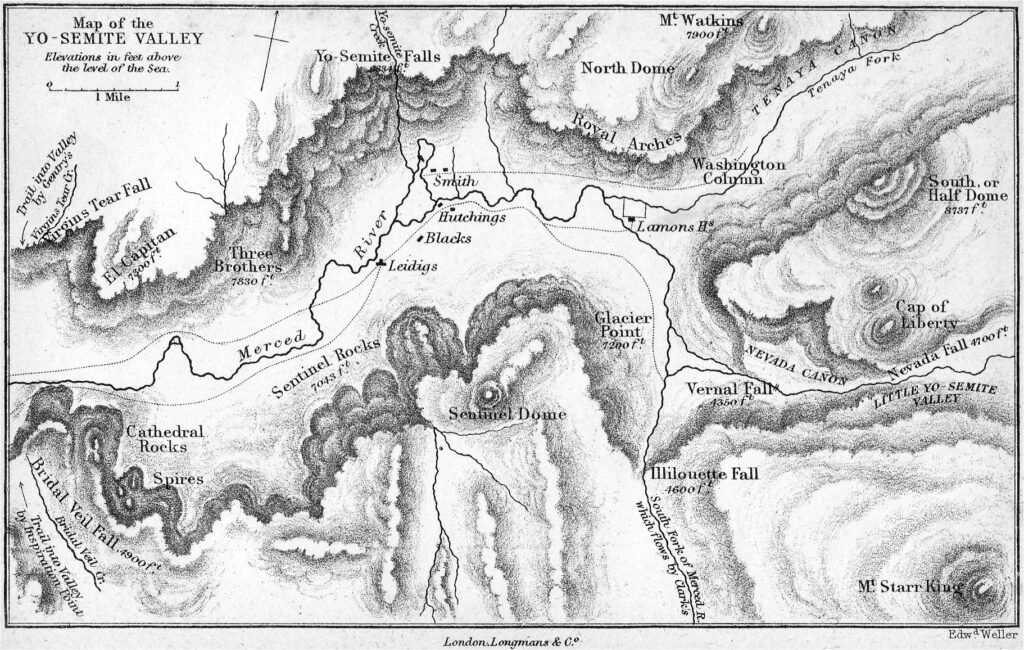
🗺️ Key Gold Mining Areas Near Yosemite
| Location | Highlights |
|---|---|
| Mariposa County | Site of early Gold Rush discoveries; includes the Mariposa Mine |
| Hornitos | Historic mining town with preserved buildings and active claims |
| Columbia State Historic Park | Living museum town with real gold panning demonstrations |
| Jawbone Ridge / Coarsegold Canyon | Known for placer gold deposits |
| Briceburg / Merced River | Popular spot for recreational panning |
🧭 Recreational Gold Panning Opportunities
Several areas near Yosemite allow visitors to try their hand at gold panning :
- Columbia State Historic Park – Offers guided panning experiences
- Mariposa Creek – Seasonal panning allowed on public lands
- Merced River (near Briceburg) – Accessible for small-scale prospecting
- Private Pay-to-Pan Sites – Some landowners offer equipment rentals and instruction
These locations provide a fun and educational way to experience the excitement of the Gold Rush firsthand.
🔧 Tools You’ll Need for Gold Panning
| Tool | Use |
|---|---|
| Gold Pan | Separates gold from sand and gravel |
| Classifier Screen | Sorts material by size |
| Snuffer Bottle | Picks up fine gold flakes |
| Magnifier | Helps identify small gold particles |
| Shovel | For digging through gravel and dirt |
🔍 Historical Significance & Modern Exploration
While large-scale commercial mining has declined, the California Department of Conservation and private collectors continue to monitor known gold-bearing areas near Yosemite. Some modern prospectors use metal detectors and geological surveys to locate overlooked deposits.
Historic mines like the Columbia Mine and Mariposa Mine once produced millions of dollars worth of gold and are now protected as cultural landmarks.
🌲 Environmental and Legal Considerations
Due to Yosemite’s proximity to protected federal lands, gold mining regulations must be followed carefully:
- BLM and USFS guidelines apply to public lands
- No mechanized equipment allowed in wilderness areas
- Always practice leave-no-trace ethics
- Respect private property boundaries
If using sluices, dredges, or highbankers, you may need a permit or face fines.
❓ Frequently Asked Questions (FAQ)
Q1: Can I go gold panning near Yosemite?
Yes! There are several legal areas near Yosemite where recreational gold panning is allowed, including parts of the Merced River , Mariposa Creek , and Columbia State Historic Park .
Q2: Do I need a permit to pan for gold in California?
For simple hand panning without motorized tools, you generally don’t need a permit on public lands. However, always check with the Bureau of Land Management (BLM) or U.S. Forest Service before starting.
Q3: What tools do I need to start gold panning?
At a minimum, you’ll need a gold pan , classifier screen , shovel , and snuffer bottle . Optional tools include a magnifier and tweezers .
Q4: Is gold still mined commercially near Yosemite?
Most commercial mining has stopped due to environmental protections and declining yields. However, some small-scale prospecting and exploration projects continue in the foothills outside the park.
Q5: What is the best time of year to go gold panning near Yosemite?
The best time is spring through early fall , when rivers and creeks are low and accessible. Winter snow and high water levels often make panning difficult.