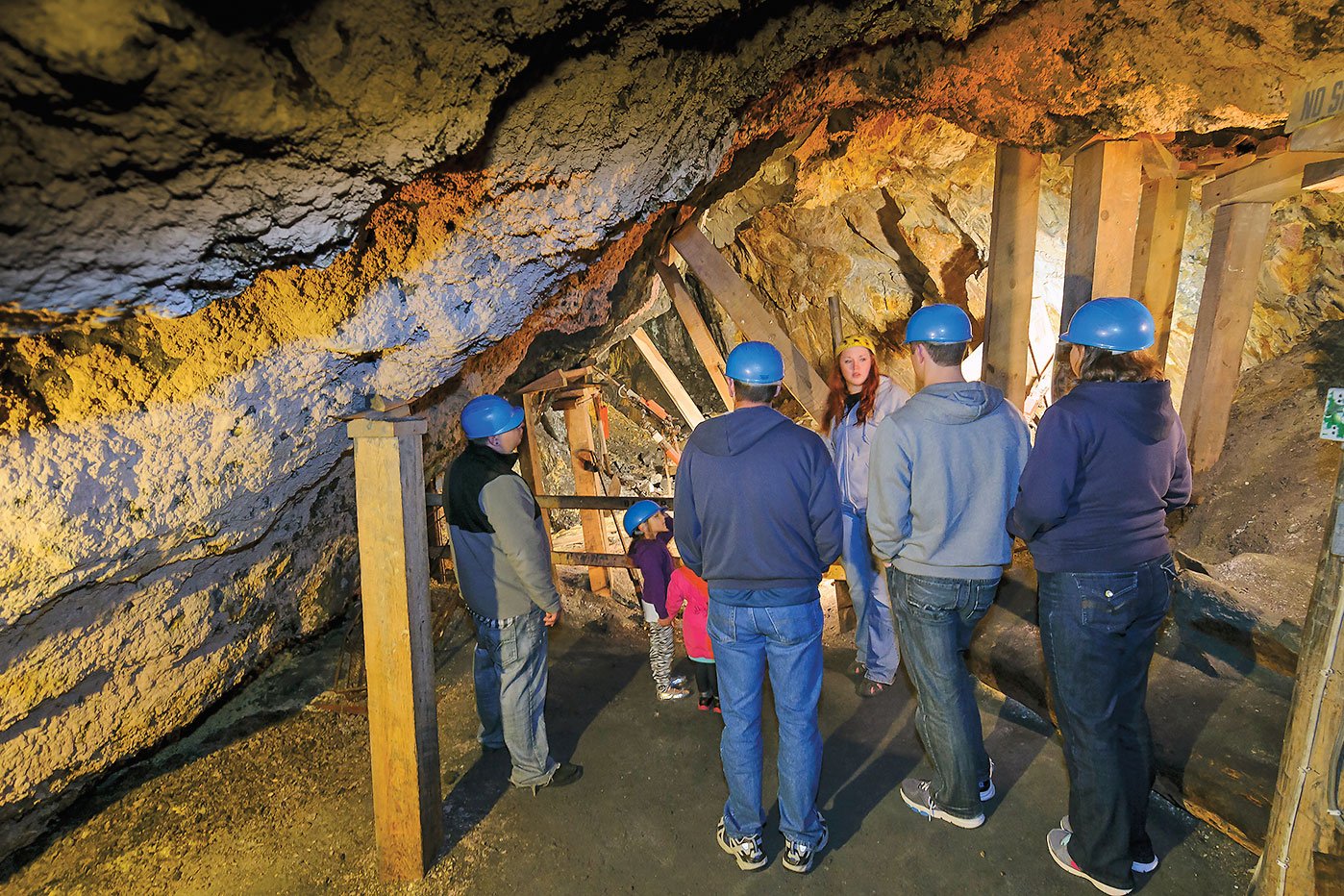
When most people think of Mount Rushmore , they imagine the iconic presidential sculptures carved into granite — but just beyond this famous monument lies another treasure from history: gold .
The Black Hills region , including areas near Mount Rushmore , played a central role in the 1874 Black Hills Gold Rush . While the mountain itself isn’t known for gold deposits, nearby towns like Deadwood , Lead , and Custer became booming centers of mining activity after gold was discovered in French Creek in 1875.
Today, the area offers a unique blend of history , recreational gold panning , and active mining operations , making it a must-visit destination for anyone interested in the Old West and its golden past.
🗺️ Key Gold Mining Areas Near Mount Rushmore
| Location | Highlights |
|---|---|
| Deadwood | Historic gold rush town; still active in mineral exploration |
| Homestake Mine (Lead, SD) | One of America’s richest and longest-operating gold mines |
| French Creek | Site of first major gold discovery in the Black Hills |
| Rapid Creek | Popular spot for recreational gold panning |
| Custer State Park Area | Public lands open to mineral collecting and prospecting |
🧭 Recreational Gold Panning Opportunities
Several areas near Mount Rushmore allow visitors to try their hand at gold panning :
- Rapid Creek (near Pactola Lake)
- French Creek (near Custer)
- Private Pay-to-Pan Parks (e.g., Broken Boot Gold Mine Tour)
- Custer State Park public lands
These locations provide a fun and educational way to experience the excitement of the original Black Hills Gold Rush.

🔧 Tools You’ll Need for Gold Panning
| Tool | Use |
|---|---|
| Gold Pan | Separates gold from sand and gravel |
| Classifier Screen | Sorts material by size |
| Snuffer Bottle | Picks up fine gold flakes |
| Magnifier | Helps identify small gold particles |
| Shovel | For digging through gravel and dirt |
🔍 Historical Significance & Modern Exploration
The discovery of gold in the Black Hills led to one of the last great U.S. gold rushes and triggered conflicts with Native American tribes over land rights. Despite the controversy, the region quickly developed into a hub of mining activity.
The Homestake Mine , located just 30 minutes from Mount Rushmore in Lead, SD , operated continuously for over 125 years and produced more than 40 million ounces of gold before closing in 2001. Today, it serves as a science research site and remains a symbol of the region’s golden heritage.
Modern-day prospectors can still find placer gold in local streams and creeks using traditional methods or metal detectors.
🌲 Environmental and Legal Considerations
Gold mining near Mount Rushmore must follow strict rules due to environmental protections and federal land management:
- Many areas are on U.S. Forest Service or National Park Service land
- Hand panning is allowed in certain zones without a permit
- Motorized equipment (sluices, dredges) often requires permits
- Always practice leave-no-trace ethics
- Respect posted boundaries and protected areas
Always check with the South Dakota Department of Environment and Natural Resources or local ranger stations before beginning any prospecting activity.
❓ Frequently Asked Questions (FAQ)
Q1: Can I go gold panning near Mount Rushmore?
Yes! There are several legal areas near Mount Rushmore where recreational gold panning is allowed, especially along Rapid Creek , French Creek , and Custer State Park trails.
Q2: Do I need a permit to pan for gold in South Dakota?
For simple hand panning (no motorized tools), you generally don’t need a permit on public BLM or USFS lands . However, always confirm current rules with the South Dakota Geological Survey or local authorities .
Q3: What tools do I need to start gold panning?
At a minimum, you’ll need a gold pan , classifier screen , shovel , and snuffer bottle . Optional tools include a magnifier and tweezers .
Q4: Is gold still mined commercially near Mount Rushmore?
Yes! The Homestake Mine may be closed, but there are ongoing exploration projects and small-scale claims active in the Black Hills. Some companies are assessing new gold deposits beneath the surface.
Q5: What is the best time of year to go gold panning near Mount Rushmore?
The best time is late spring through early fall , when water levels are lower and streambeds are easier to access.