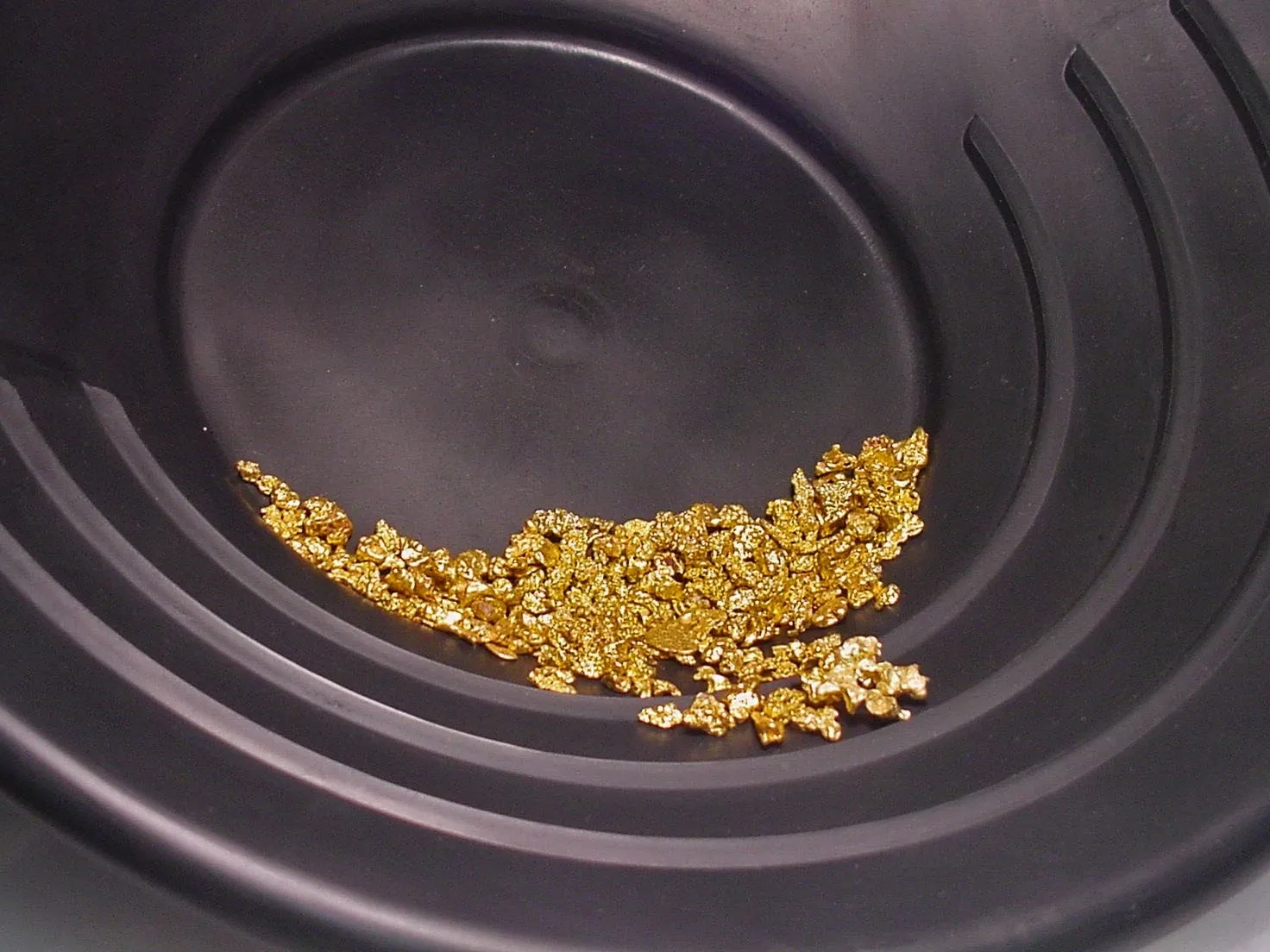
When most people think of the American Gold Rush, they picture California — but long before the 1849 rush, North Carolina was the gold capital of the United States . In fact, the first documented gold discovery in the U.S. happened right here in North Carolina in 1799 — just outside Charlotte.
Though Asheville wasn’t a major center of gold production, it lies within the Carolina Slate Belt , a region rich in gold-bearing rock formations. Several nearby towns and rivers offer glimpses into this golden past — and even today, recreational gold panning is possible in Western North Carolina.
Whether you’re a local adventurer or visiting the Blue Ridge Mountains, you’ll find that gold mining near Asheville is more than just a forgotten footnote — it’s part of a fascinating regional story.
🗺️ Key Gold Mining Areas Near Asheville
| Location | Highlights |
|---|---|
| Reynolds Mine (near Little Switzerland) | Historic hard-rock mine open for tours |
| Catawba River & Tributaries | Known for placer gold deposits |
| North Toe River (Burnsville area) | Popular with modern-day prospectors |
| Crabtree Falls Area | Scenic spot with reported gold traces |
| Private Pay-to-Pan Sites | Some landowners offer guided gold panning experiences |
🧭 Recreational Gold Panning Opportunities
Several public and private areas near Asheville allow visitors to try their hand at gold panning :
- Reynolds Mountain Gold Mine (Little Switzerland) – Guided tours and panning experiences
- Catawba River (Linville Gorge area)
- North Toe River (Yancey County)
- Private pay-to-pan parks and museums
These locations provide a fun and educational way to experience the excitement of the original American Gold Rush.

🔧 Tools You’ll Need for Gold Panning
| Tool | Use |
|---|---|
| Gold Pan | Separates gold from sand and gravel |
| Classifier Screen | Sorts material by size |
| Snuffer Bottle | Picks up fine gold flakes |
| Magnifier | Helps identify small gold particles |
| Shovel | For digging through gravel and dirt |
🔍 Historical Significance & Modern Exploration
North Carolina led the nation in gold production from the late 1700s until the California Gold Rush began in 1849. Gold was discovered in streams and quartz veins across the state, including near Asheville.
While large-scale commercial mining has ended, modern-day prospectors still search for gold using metal detectors , geological surveys , and traditional panning techniques. Some old mines are now protected as historical landmarks or open for tourism.
🌲 Environmental and Legal Considerations
Gold mining near Asheville must follow strict rules due to environmental protections and private land ownership:
- Only hand tools allowed on many public lands
- Motorized equipment (sluices, dredges) often requires permits
- Always practice leave-no-trace ethics
- Respect posted boundaries and protected areas
Always check with the U.S. Forest Service , BLM , or local authorities before beginning any prospecting activity.
❓ Frequently Asked Questions (FAQ)
Q1: Can I go gold panning near Asheville?
Yes! There are several legal areas near Asheville where recreational gold panning is allowed, especially along the Catawba River , North Toe River , and at Reynolds Mine .
Q2: Do I need a permit to pan for gold in North Carolina?
For simple hand panning (no motorized tools), you generally don’t need a permit on public lands . However, always confirm current rules with the U.S. Forest Service or local BLM office .
Q3: What tools do I need to start gold panning?
At a minimum, you’ll need a gold pan , classifier screen , shovel , and snuffer bottle . Optional tools include a magnifier and tweezers .
Q4: Is gold still mined commercially near Asheville?
Most commercial mining has stopped in Western North Carolina due to low yields and environmental concerns. However, some small-scale prospecting and exploration projects continue on limited claims.
Q5: What is the best time of year to go gold panning near Asheville?
The best time is late fall through early spring , when water levels are lower and streambeds are easier to access.