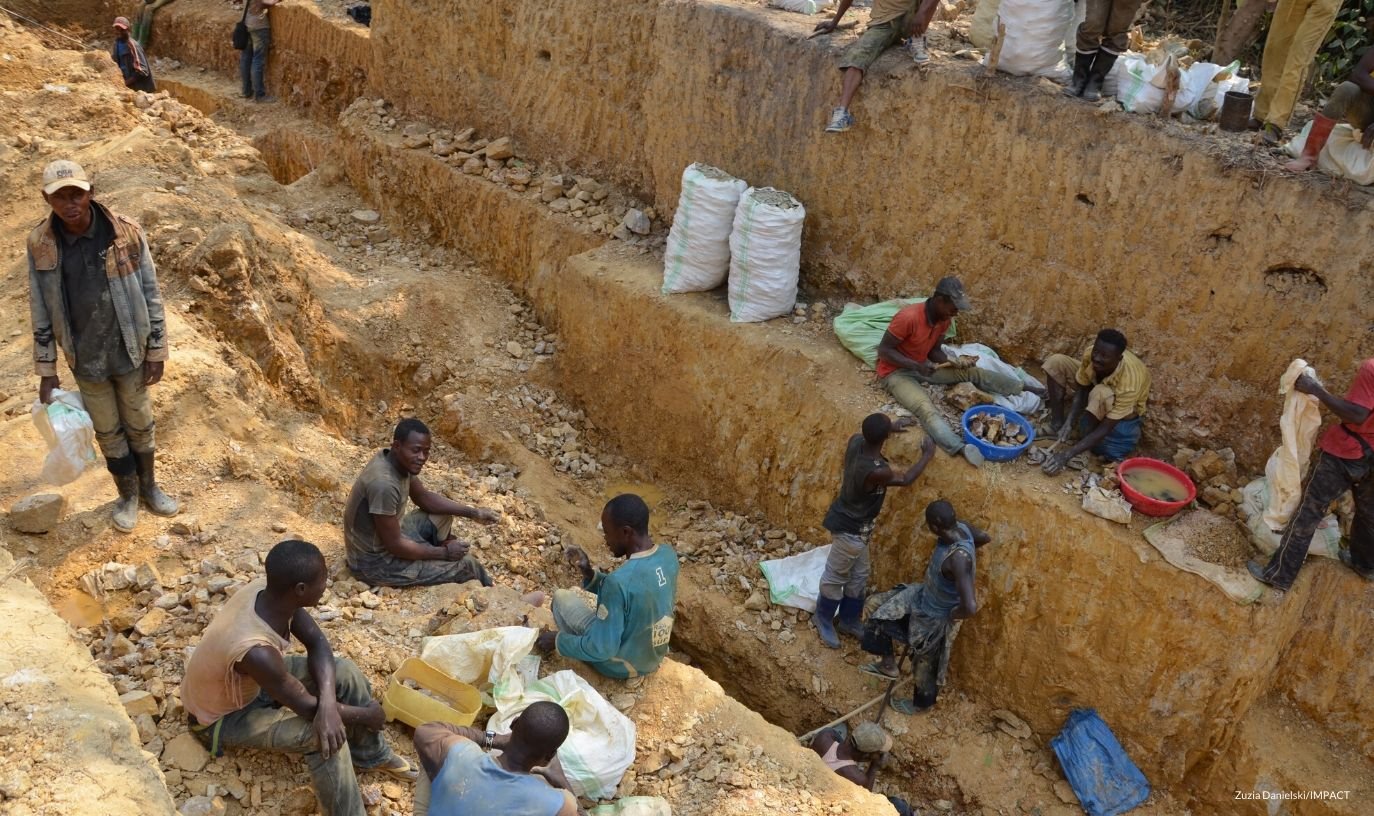
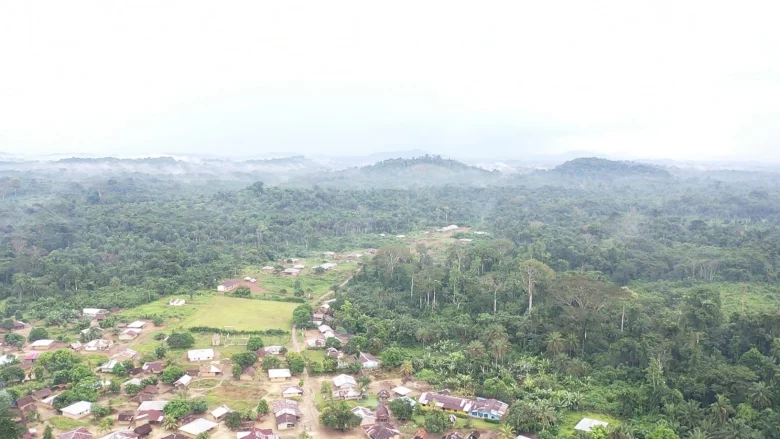
Liberia, a West African nation known for its lush rainforests and rich natural resources, has long been recognized for its potential in gold mining. Though not as prominent as South Africa or Ghana, Liberia holds significant gold reserves that are gradually gaining attention from both local miners and international investors.
The country’s mining sector was severely impacted by decades of civil conflict, which disrupted economic growth and infrastructure development. However, since the early 2000s, Liberia has made steady progress in rebuilding its mining industry, with gold playing a key role in revitalizing the economy.
Historical Background of Gold Mining in Liberia
Gold mining in Liberia dates back centuries, with traditional artisanal methods used by indigenous communities long before colonial influence. During the 20th century, particularly in the 1930s and 1940s, foreign companies began exploring the region for commercial gold extraction. One of the most notable operations was the Bureau of Mines and Geology , which conducted extensive geological surveys identifying several gold-rich zones across the country.
However, political instability and the outbreak of civil wars in the late 1980s halted large-scale exploration and investment. It wasn’t until after the peace agreement in 2003 that the government started re-establishing legal frameworks to attract responsible mining investments.
Current State of the Gold Sector
Today, gold mining in Liberia is dominated by artisanal and small-scale miners , who account for the majority of production. These operations often lack modern equipment and safety measures but provide employment to thousands of Liberians in rural areas where job opportunities are limited.
In recent years, the government has issued licenses to several international mining firms interested in developing larger deposits. Companies such as Golden Star Resources and Avesoro Resources have explored gold prospects in regions like Lofa County , historically one of the richest gold-producing areas in the country.
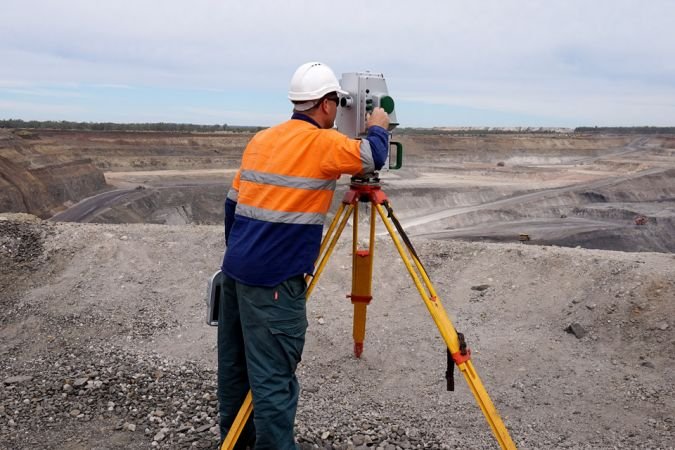
The Ministry of Mines, Energy & Water Resources oversees licensing and environmental compliance, aiming to ensure sustainable practices and community benefits. Despite these efforts, challenges remain, including weak enforcement, illegal mining activities, and the need for better infrastructure.
Economic Impact and Future Prospects
Gold mining offers a promising avenue for economic recovery and development in Liberia. The sector contributes to foreign exchange earnings , supports livelihoods, and provides tax revenues that can be reinvested into public services such as education and healthcare.
With ongoing reforms and increased transparency through initiatives like the Extractive Industries Transparency Initiative (EITI) , Liberia is slowly positioning itself as an emerging player in West Africa’s gold market.
Experts believe the country could become a major gold producer if further exploration confirms the extent of untapped reserves. International investors are increasingly showing interest, especially as neighboring countries like Guinea and Sierra Leone continue to expand their own gold sectors.
Environmental and Social Challenges
Like many developing mining industries, Liberia faces significant environmental and social concerns . Unregulated artisanal mining can lead to:
- Deforestation
- Mercury contamination of water sources
- Health risks for miners and nearby communities
To address these issues, various NGOs and development partners are working with the government to promote cleaner mining technologies and better regulatory oversight.
Community engagement is also crucial. Ensuring that local populations benefit from mining projects — whether through employment, revenue sharing, or infrastructure development — remains a priority for sustainable growth.
Frequently Asked Questions (FAQs)
Q: Is there gold in Liberia?
A: Yes, Liberia has proven gold deposits, particularly in Lofa County and surrounding regions. Artisanal and small-scale mining is widespread, and some international companies are exploring for commercial production.
Q: Who regulates gold mining in Liberia?
A: The Ministry of Mines, Energy & Water Resources oversees all mining activities, including licensing, regulation, and environmental compliance.
Q: Can foreigners invest in gold mining in Liberia?
A: Yes, foreign investors can participate through joint ventures or licensed concessions, provided they comply with national laws and regulations.
Conclusion
Gold mining in Liberia represents both opportunity and challenge — offering economic revival potential while requiring careful management to ensure sustainability and equitable benefits.
Liberia offers future potential for gold mining in Africa. It’s historical background, economic trajectory and environmental caution are contributing factors pivoting the country towards development.
