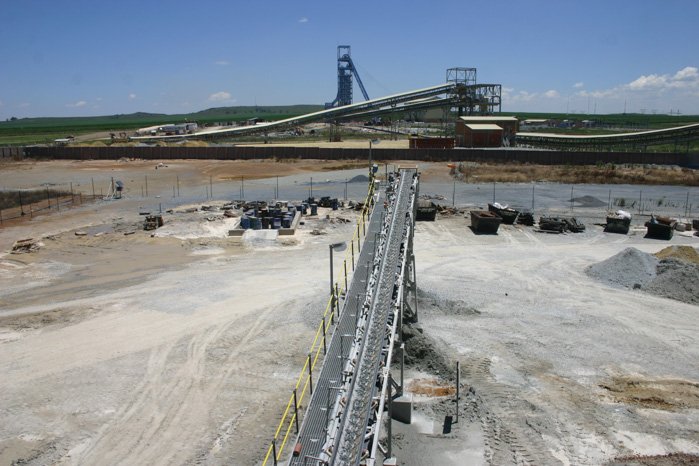
Understanding the gold mines in South Africa is important not only from a global economic perspective but also for UPSC aspirants , especially those preparing for the Geography , Economic Geography , or World History sections of the IAS exam.
South Africa has historically been the largest producer of gold in the world , with its famed Witwatersrand Basin housing some of the richest gold deposits ever discovered. While production has declined in recent decades, the country remains an essential player in the global gold industry.
Geographical Background: The Witwatersrand Basin
The Witwatersrand Basin is a sedimentary basin located in the Gauteng Province of South Africa. It stretches across areas like Johannesburg, Carletonville, and Welkom , and contains reef-type gold deposits embedded in ancient conglomerate rock layers.
- Age: Over 2 billion years old
- Discovery: 1886 by prospector George Harrison
- Significance: Contains about half of the world’s known gold reserves
- Formation: Gold was deposited through ancient river systems over millions of years
This geological formation triggered the mineral revolution in South Africa and led to the rise of Johannesburg as a major urban center.
Major Gold Mines in South Africa
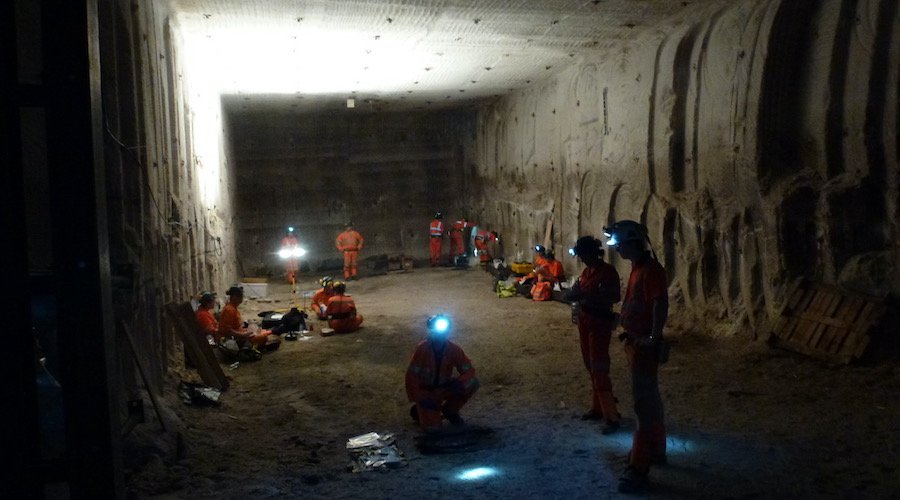
Several deep-level gold mines continue to operate in South Africa, many of which are among the deepest in the world . Here are the most notable ones:
| Mine Name | Location | Operator | Notes |
|---|---|---|---|
| Mponeng | Gauteng | AngloGold Ashanti | One of the deepest mines in the world (>4 km deep) |
| TauTona | Gauteng | AngloGold Ashanti | Previously the deepest before partial closure |
| Driefontein Complex | Gauteng | Sibanye-Stillwater | Part of the Kloof-Driefontein Operations |
| Kloof Mine | Gauteng | Sibanye-Stillwater | Merged with Driefontein for efficiency |
| Savuka Mine | West Rand | Harmony Gold | Known for high-grade ore and deep mining |
| Moab Khotsong | Free State | Harmony Gold | Consolidated from two older shafts |
| Beatrix Mine | Free State | Sibanye-Stillwater | Underwent modernization to extend life |
These mines are primarily found within the Central Rand Goldfield , part of the broader Witwatersrand Basin.
Economic and Historical Significance
Gold mining played a pivotal role in shaping South Africa’s colonial and political history:
- Triggered the Anglo-Boer Wars
- Led to the establishment of apartheid-era labor systems
- Fueled economic growth and infrastructure development
Today, while gold’s dominance has waned due to rising costs and depletion, it still contributes significantly to:
- Foreign exchange earnings
- Employment in rural areas
- Industrial heritage and technological innovation
UPSC Relevance
For the UPSC Civil Services Exam , this topic connects with multiple syllabus areas:
- Geography (Mains – Paper 1):
- Mineral resources and distribution
- Industrial location factors
- Resource-based industries
- Economy (Prelims + Mains):
- Role of extractive industries in national income
- Global commodity chains
- Modern Indian History / World History:
- Colonial economic policies
- Impact of resource extraction on geopolitics
Challenges Facing the Industry
Despite its historical importance, the South African gold sector faces several challenges:
- Ultra-deep mining operations (over 3,000 meters)
- High operational costs
- Falling ore grades
- Power shortages (load-shedding)
- Labor disputes and safety issues
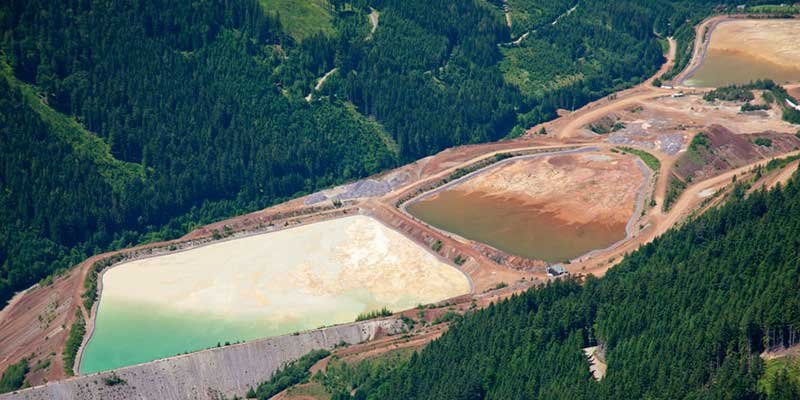
- Environmental concerns (acid mine drainage)
To remain viable, companies are investing in automation, energy efficiency, and environmental rehabilitation.
Frequently Asked Questions (FAQs)
Q: Why is the Witwatersrand Basin important?
A: It contains about half the world’s known gold reserves and sparked the rise of Johannesburg as a global mining hub.
Q: Which is the deepest gold mine in the world?
A: Mponeng Gold Mine in South Africa, reaching depths of over 4 kilometers .
Q: What caused the decline in South African gold production?
A: Aging mines, rising operational costs, power supply issues, and depletion of easily accessible ore bodies.
Q: How does gold mining relate to UPSC syllabus?
A: It covers topics in geography (mineral resources), economy (resource-based industries), and world history (colonial impact).
Q: Are there any environmental issues related to gold mining in South Africa?
A: Yes, including acid mine drainage, land degradation, and water contamination — all relevant to environmental governance questions in UPSC.
Conclusion
Studying the gold mines in South Africa offers UPSC aspirants a multidimensional understanding of economic geography, industrial development, and historical geopolitics , making it a valuable addition to their preparation strategy.
SEO Meta Description: