Introduction
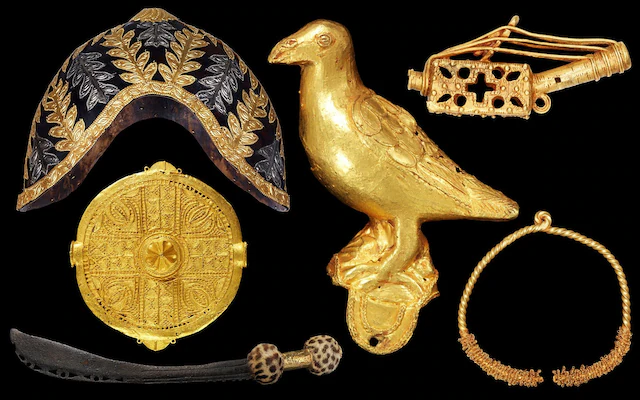
West Africa has been a hub for gold production and trade for over a thousand years.
This region helped shape global economies long before European colonialism.
Even today, gold remains a vital part of West African economies.
The Rise of Gold-Rich Empires
From the 8th to 16th centuries, powerful empires rose in West Africa. Their strength came largely from access to gold.
Key empires included:
- Ghana Empire (8th–11th century)
- Mali Empire (13th–15th century)
- Songhai Empire (15th–16th century)
These kingdoms controlled major gold fields like Bambuk , Bure , and Akanland .
Gold and the Trans-Saharan Trade
Gold fueled the Trans-Saharan trade routes .
Caravans crossed the Sahara, carrying gold to North Africa and the Mediterranean.
In return, traders brought salt, textiles, and horses.
Timbuktu and Gao became wealthy trading hubs thanks to this exchange.

Mansa Musa: The Golden King
One of history’s wealthiest individuals was Mansa Musa of Mali.
His pilgrimage to Mecca in 1324 made headlines across the Islamic world.
He gave away so much gold in Cairo that he caused inflation.
This showed just how much wealth flowed through West Africa.
European Influence and Colonization
By the 15th century, Europeans arrived seeking direct access to West African gold.
Portuguese traders built forts along the coast.
Later, British and Dutch merchants followed.
Eventually, colonial powers took control of gold-rich regions.
This changed local economies and governance forever.
Modern-Day Gold Production
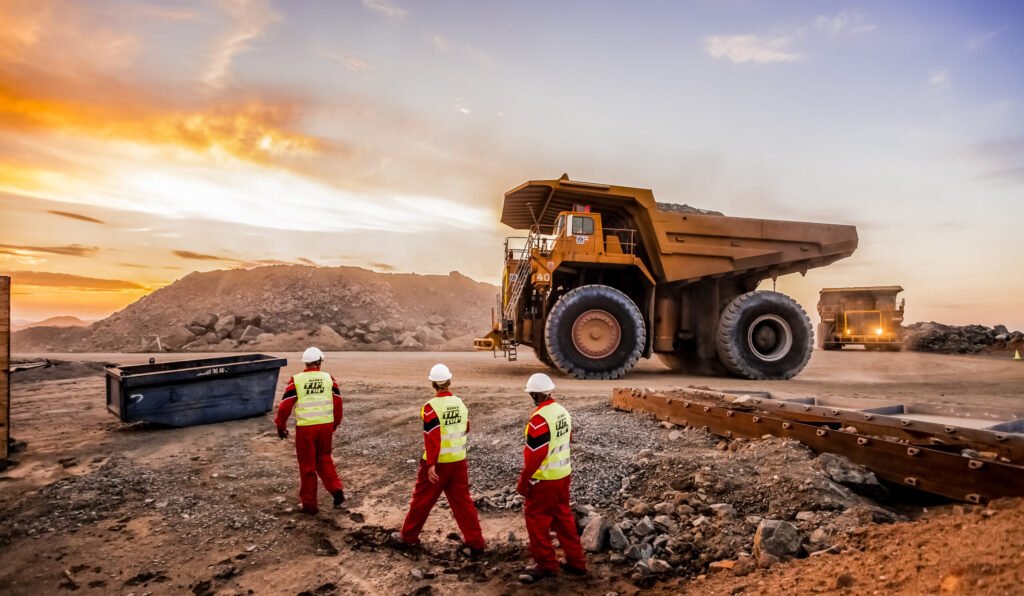
Today, countries like Ghana and Mali are among Africa’s top gold producers.
Gold continues to support national economies and global markets.
The legacy of West African gold lives on—both historically and economically.
Frequently Asked Questions (FAQs)
Q1: Which West African kingdom was known for its gold?
A: The Kingdom of Ghana and later the Empire of Mali were most famous for their gold wealth.
Q2: Why was gold so important in West Africa?
A: Gold was central to trade, power, and cultural prestige—it funded armies, built cities, and linked West Africa to global trade networks.
Q3: Where was most of West Africa’s gold mined historically?
A: Major gold-producing regions included Bambuk , Bure , and Akanland , located in present-day Senegal, Guinea, and Ghana.
Conclusion
Gold played a transformative role in shaping the history, economy, and global connections of West Africa.