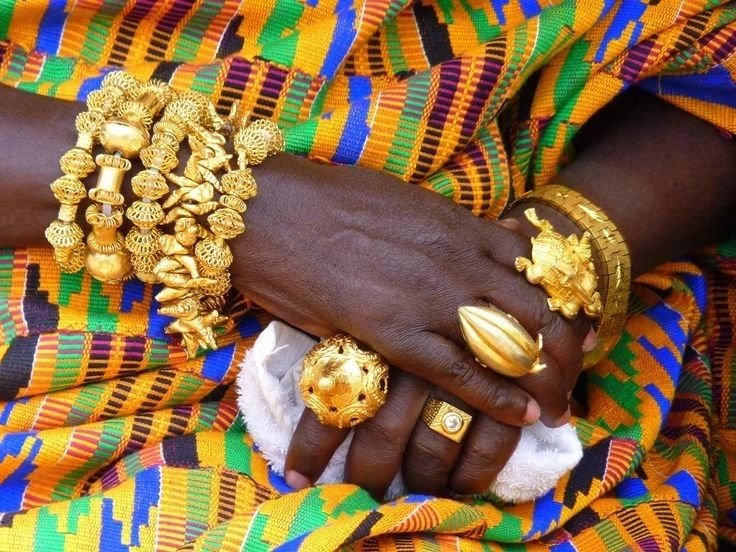
West Africa has long been associated with gold — from the legendary wealth of the Mali Empire to today’s booming mining industry. The region remains one of the most important gold-producing zones in the world, with countries like Ghana, Mali, Burkina Faso, and Guinea playing key roles.
Understanding the role of gold in West Africa offers insight into its historical significance, economic impact, and future potential.
Historical Significance of Gold in West Africa
Gold has shaped the history of West Africa for centuries. During the medieval period, the Kingdom of Ghana , followed by the Empire of Mali and the Songhai Empire , became powerful states built largely on gold trade .
- Mansa Musa , the 14th-century ruler of Mali, is often cited as the richest person in history due to his control over vast gold reserves.
- Gold from West Africa was traded across the Sahara Desert , fueling commerce with North Africa and the Mediterranean world.
- Cities like Timbuktu and Djenné flourished as centers of learning and culture, supported by the wealth generated from gold.
These ancient trade routes laid the foundation for West Africa’s enduring connection to gold.
Major Gold-Producing Countries in West Africa
Today, West Africa ranks among the top gold-producing regions globally , rivaling even South Africa in annual output.
1. Ghana
- Known as the “Gold Coast” during British colonial rule
- Currently the largest gold producer in Africa
- Key mines include Obuasi , Tarkwa , and Ahafo
2. Mali
- Home to the Birimian Greenstone Belt , a major geological zone rich in gold
- Mines such as Loulo-Gounkoto and Fekola contribute significantly to national GDP
3. Burkina Faso
- Rapidly growing gold sector
- Emerging as a top 10 global gold producer
- Major operations include Essakane Mine and Houndé Mine
4. Guinea
- Though known more for bauxite and iron ore, it also hosts significant gold deposits
- Exploration is ongoing in the Siguiri Basin
5. Côte d’Ivoire and Niger
- Smaller but growing contributors to regional gold production
Economic Impact of Gold in West Africa
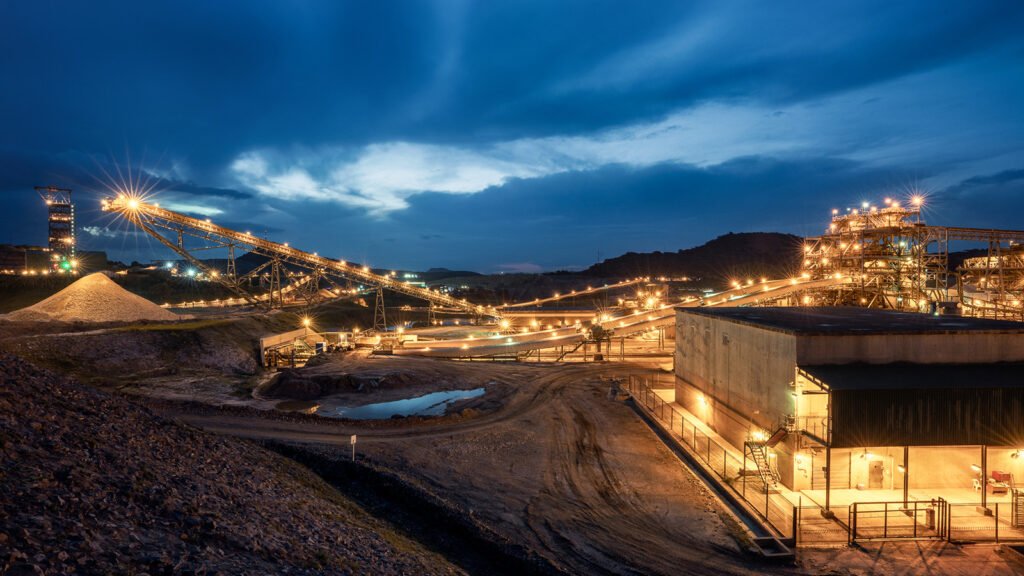
Gold continues to be a cornerstone of many West African economies, driving development and attracting foreign investment.
Key Contributions:
- Foreign Exchange Earnings : Gold is a major export, bringing billions of dollars into national economies.
- Employment : Thousands of people work directly in mining, while artisanal and small-scale mining (ASM) supports millions more.
- Infrastructure Development : Mining companies invest in roads, power, and water systems that benefit surrounding communities.
- Government Revenue : Taxes and royalties fund public services like education, healthcare, and security.
However, the sector also faces challenges such as environmental degradation , illegal mining , and social conflicts that require stronger governance and regulation.
Artisanal and Small-Scale Mining (ASM)
A large portion of West Africa’s gold comes from artisanal and small-scale miners , who use basic tools and techniques to extract gold.
While ASM provides livelihoods for millions, it also presents risks:
- Informal operations lacking safety measures
- Use of mercury , which poses health and environmental hazards
- Lack of legal recognition , leading to illegal mining and smuggling
Efforts are being made by governments and international organizations to formalize these operations and promote sustainable practices.
Investment Opportunities and Global Market Integration
West Africa has become increasingly attractive to international investors due to:
- High-grade gold deposits
- Political stability improvements in several countries
- Growing exploration activity and new discoveries
- Improved mining regulations and licensing transparency
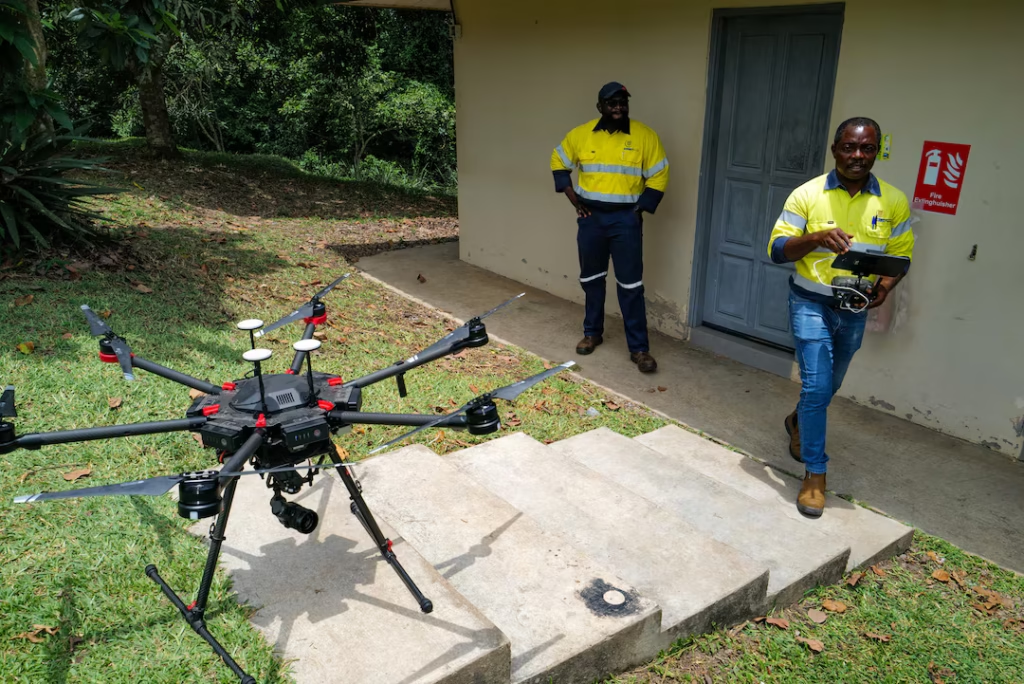
Major international mining firms such as Randgold Resources (now part of Barrick Gold) , AngloGold Ashanti , and B2Gold operate in the region, signaling strong investor confidence.
Frequently Asked Questions (FAQs)
Q: Why is West Africa rich in gold?
A: Due to the presence of the Birimian Greenstone Belt , a geological formation stretching across the region that contains high-grade gold deposits.
Q: Which West African country produces the most gold?
A: Ghana is currently the largest gold producer in Africa, surpassing even South Africa in recent years.
Q: Is gold mining profitable in West Africa?
A: Yes, especially in countries like Ghana and Mali, where high-grade ore and supportive policies make gold extraction economically viable.
Q: Can foreigners invest in gold mining in West Africa?
A: Yes, through joint ventures, licensed concessions, and partnerships with local firms, though compliance with local laws is essential.
Q: What are the environmental concerns related to gold mining in West Africa?
A: Mercury pollution, deforestation, land degradation, and water contamination are common issues linked to both artisanal and industrial mining.
Conclusion
Gold in West Africa represents a blend of historical legacy, economic opportunity, and modern industrial growth , making the region a key player in the global gold market.