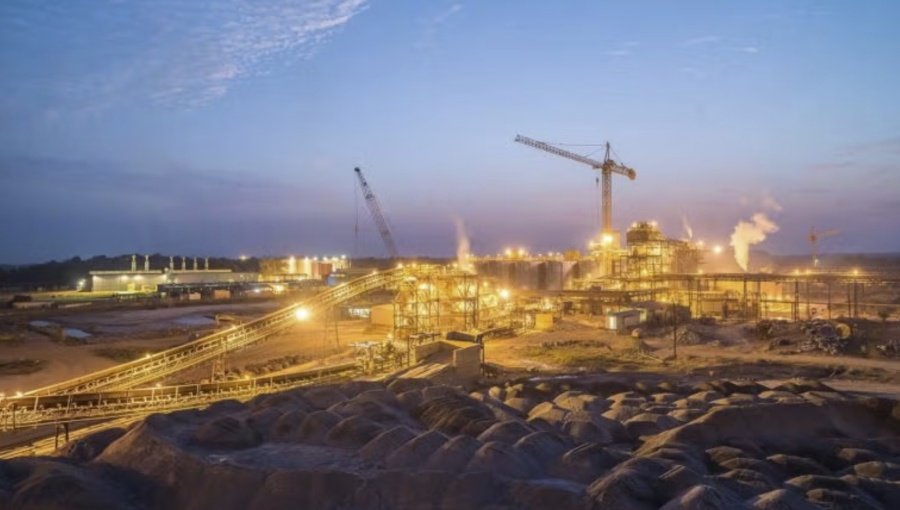
Mali is one of the most important gold-producing countries in Africa , playing a major role in the continent’s mining and economic landscape. With vast reserves and growing international investment, Mali has become a hotspot for both large-scale and artisanal gold mining.
Why Is Mali Rich in Gold?
Mali lies within the Birimian Greenstone Belt , a geological formation that stretches across several West African countries including Burkina Faso, Ghana, and Guinea. This region is known for hosting some of the richest gold deposits in the world.
The Birimian rocks formed over 2 billion years ago and contain high concentrations of gold-bearing veins. This makes Mali an attractive destination for exploration and mining companies looking to tap into its underground wealth.
Major Gold Mines in Mali
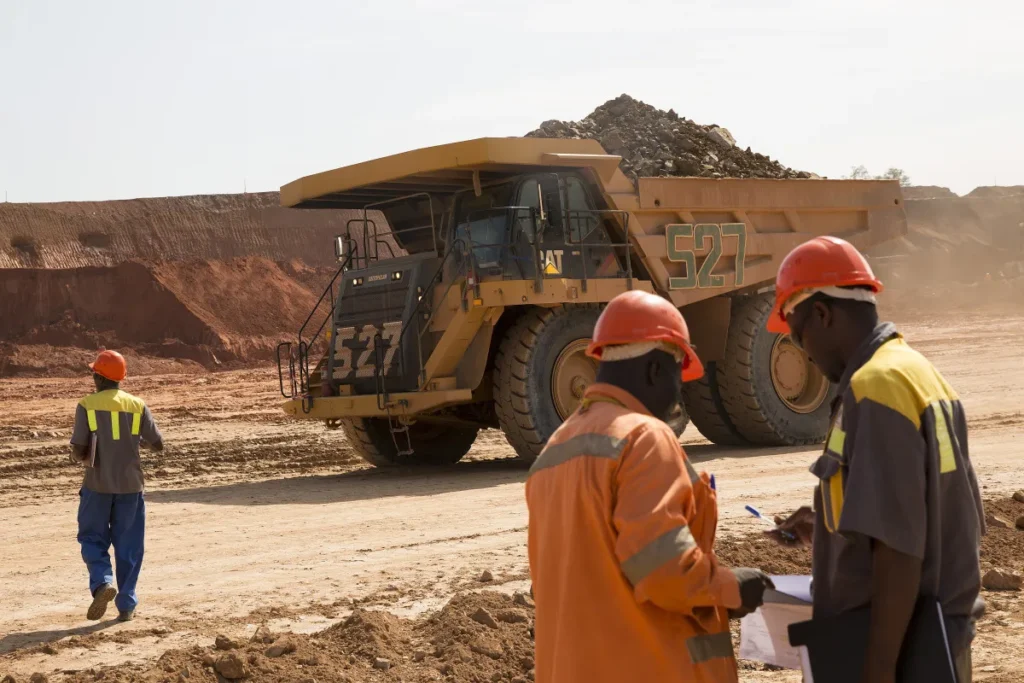
Several large-scale gold mines are currently operational in Mali. These include:
- Loulo-Gounkoto Mine Complex – Operated by Barrick Gold, this site includes multiple open-pit and underground mines.
- Fekola Mine – Owned by B2Gold, it is one of the deepest and highest-grade gold mines in West Africa.
- Morila Gold Mine – A joint venture between Randgold and AngloGold Ashanti (now managed locally).
- Sadiola Hill Mine – Part of the Sadiola Gold Project, located in the Kayes region.
- Yatela Mine – Previously operated by Randgold, now under closure and rehabilitation.
These mines are primarily located in southern and southwestern Mali , where geological conditions are most favorable for gold extraction.
Economic Impact of Gold Mining
Gold is Mali’s top export , accounting for more than 70% of total mineral exports . It plays a vital role in the national economy by:
- Generating government revenue
- Supporting local employment
- Attracting foreign investment
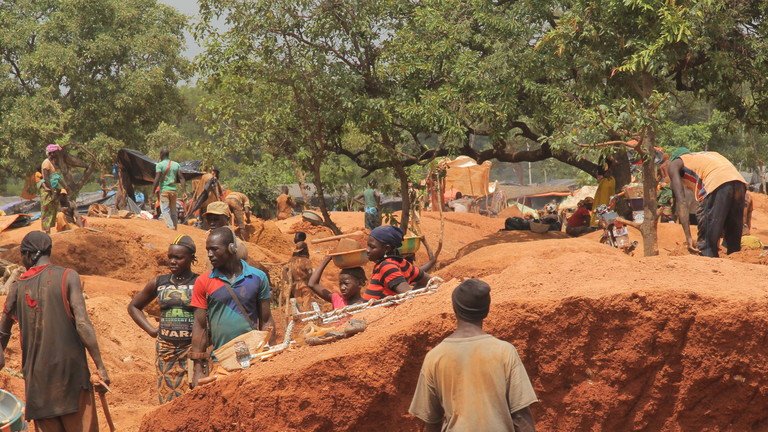
According to recent reports, thousands of people work directly in mining operations, while hundreds of thousands are engaged in artisanal and small-scale mining (ASM) — often in remote areas with limited job opportunities.
Despite these benefits, the sector faces challenges such as:
- Environmental concerns
- Safety issues in informal mining
- Political instability affecting investor confidence
Artisanal and Small-Scale Mining (ASM)
A significant portion of Mali’s gold production comes from artisanal miners , who use basic tools and techniques to extract gold. While ASM provides livelihoods for many, it also raises concerns about:
- Use of mercury in processing
- Unsafe working conditions
- Illegal mining operations
To address these issues, the Malian government and international organizations are promoting safer practices and better regulation of informal mining activities.
Exploration and Future Potential
Much of Mali remains underexplored , offering strong potential for new discoveries. Several junior and mid-tier mining companies are actively exploring new sites, particularly in the Kidal and Gao regions .
Infrastructure improvements, including better roads and energy access, are expected to support future mining developments and attract even more investment.
Frequently Asked Questions (FAQs)
Q: Is there gold in Mali?
A: Yes, Mali is one of the top gold-producing countries in Africa, with several large-scale and artisanal mines operating across the country.
Q: What are the biggest gold mines in Mali?
A: The largest include Loulo-Gounkoto, Fekola, Morila, Yatela, and Sadiola Hill.
Q: Who owns the gold mines in Mali?
A: Ownership is shared between global companies like Barrick Gold, B2Gold, and local or regional partners.
Q: How does gold mining affect local communities in Mali?
A: It creates jobs and infrastructure but can also lead to environmental damage if not managed sustainably.
Q: What is the future outlook for gold mining in Mali?
A: Positive — with continued exploration, improved regulations, and growing investor interest, Mali is poised for further growth in the gold sector.
Conclusion
Gold in Mali represents not only a valuable natural resource but also a powerful engine for economic development, community livelihoods, and future investment in West Africa.