Introduction
As we move into 2025 , gold remains a cornerstone of Africa’s economy , with the continent playing a pivotal role in global production.
Despite ongoing challenges such as political instability, environmental concerns, and fluctuating global prices, many African nations are doubling down on sustainable mining practices and attracting new investment.
This post explores the latest trends, top producers, and future outlook for gold in Africa in 2025 .
Top Gold-Producing Countries in Africa (2025 Forecast)
| Rank | Country | Estimated Annual Output (tonnes) | Key Developments |
|---|---|---|---|
| 1 | Ghana | ~150 | Expansion of Ahafo North and other Newmont projects. |
| 2 | South Africa | ~90 | Deep-level mine modernization; government-backed revitalization plans. |
| 3 | Mali | ~70 | Foreign investment returns despite security concerns. |
| 4 | Burkina Faso | ~50 | Recovery from past disruptions; new exploration licenses issued. |
| 5 | Tanzania | ~45 | Regulatory reforms boosting investor confidence. |
| 6 | Sudan | ~15 | Growth in artisanal and small-scale mining. |
| 7 | Guinea | ~12 | Increased exploration activity in Birimian belt. |
| 8 | Nigeria | ~10 | Formalization of informal mining sector gains traction. |
Key Industry Trends in 2025
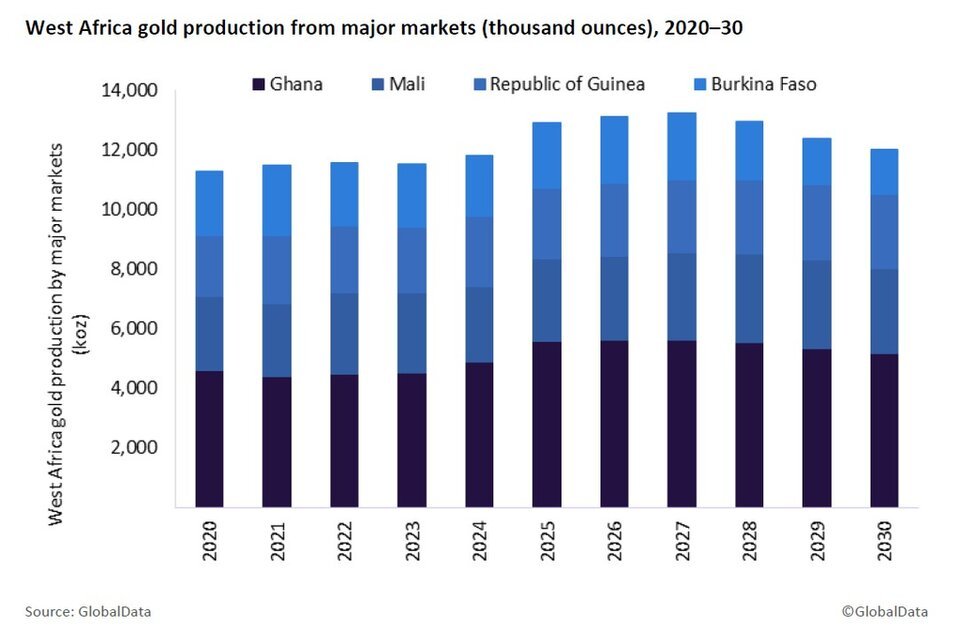
📈 Increased Investment in West Africa
- Ghana, Burkina Faso, and Côte d’Ivoire continue to attract major international players.
- Rising interest in underexplored regions like Sierra Leone and Togo.
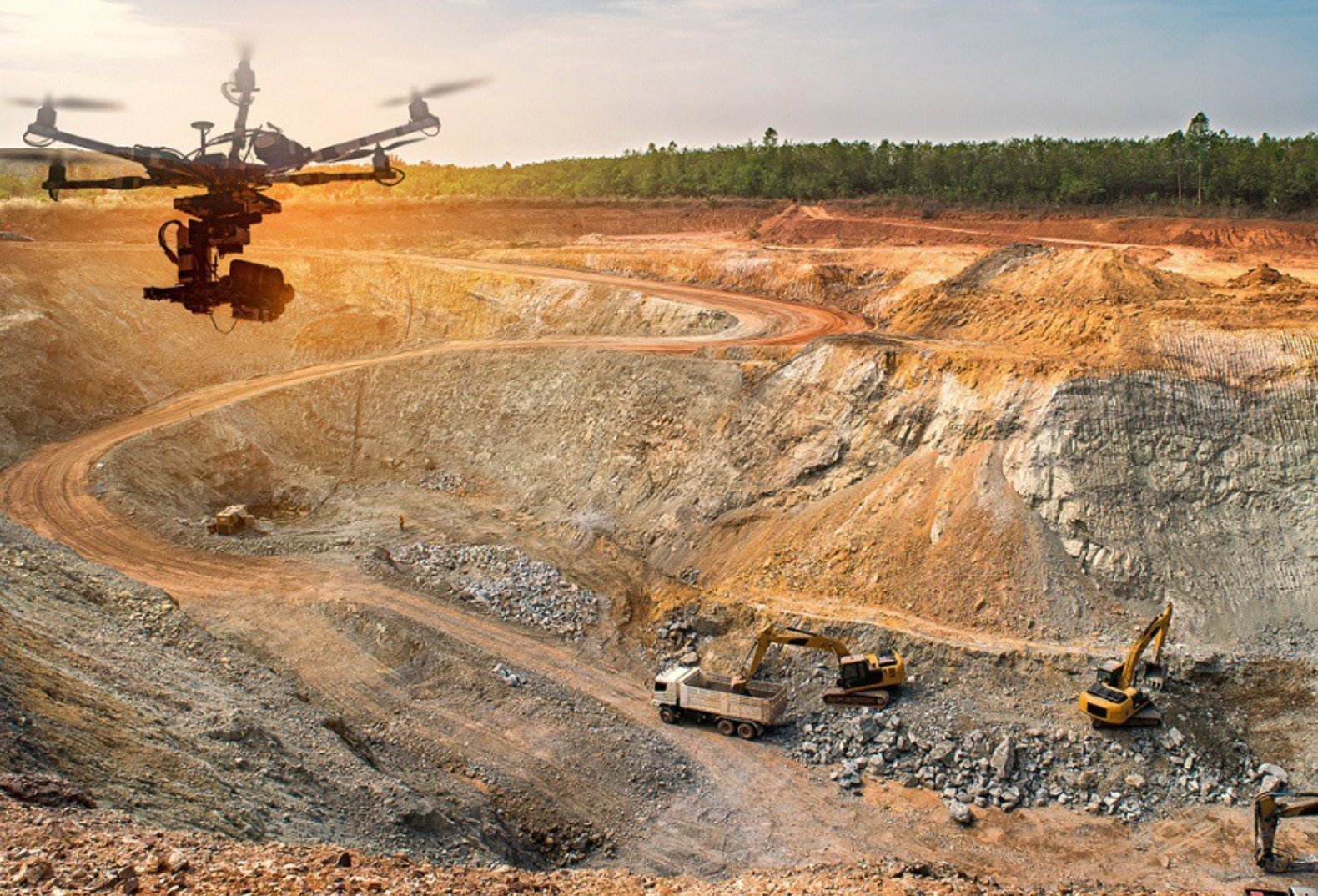
⚙️ Digitalization and Automation
- Mines adopt AI-driven exploration tools, autonomous haulage systems, and real-time monitoring.
- Improved efficiency and reduced labor risks.
🌱 Focus on Sustainable Mining
- Governments and companies prioritize ESG (Environmental, Social, Governance) compliance.
- More mines aim for carbon neutrality and water recycling.
🧑💼 Formalization of Artisanal Mining
- Governments roll out licensing programs and training to bring informal miners into the legal framework.
- This improves safety, reduces illegal exports, and boosts tax revenue.
Economic Impact and Global Role
Gold continues to be a strategic asset for African economies:
- Provides foreign exchange earnings
- Funds infrastructure development and public services
- Supports millions of jobs , both directly and indirectly
Africa’s gold sector is also becoming more integrated into global supply chains , especially for industries requiring responsibly sourced materials like electric vehicles and green tech.
Challenges Ahead
While the outlook is positive, several challenges remain:
- Political instability in countries like Mali and Sudan
- High energy costs affecting mining operations
- Community disputes over land and environmental impact
- Regulatory uncertainty in some jurisdictions
Governments and mining firms must work together to ensure long-term sustainability and equitable benefits.
Frequently Asked Questions (FAQs)
Q1: Which country will produce the most gold in Africa in 2025?
A: Ghana is projected to remain the top producer, followed closely by South Africa and Mali.
Q2: Is gold production increasing in Africa?
A: Yes, particularly in West Africa, where new projects and investments are driving growth.
Q3: How is technology changing gold mining in Africa?
A: Automation, AI-driven geology, and digital tracking systems are improving efficiency and reducing environmental footprints.
Conclusion
By 2025, Africa’s gold industry stands at a crossroads — embracing innovation and sustainability while navigating economic and political challenges to maintain its global leadership.