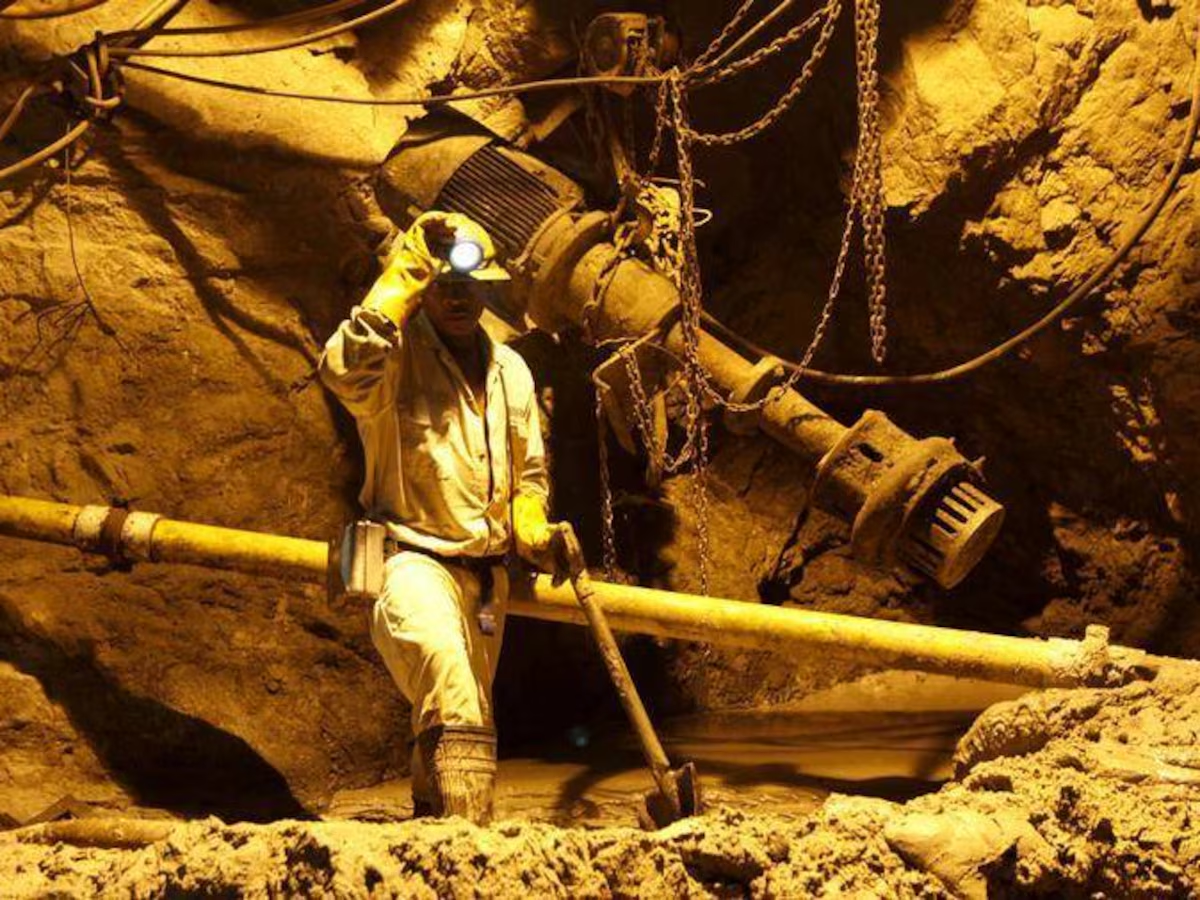
1. Industrial Gold Mining
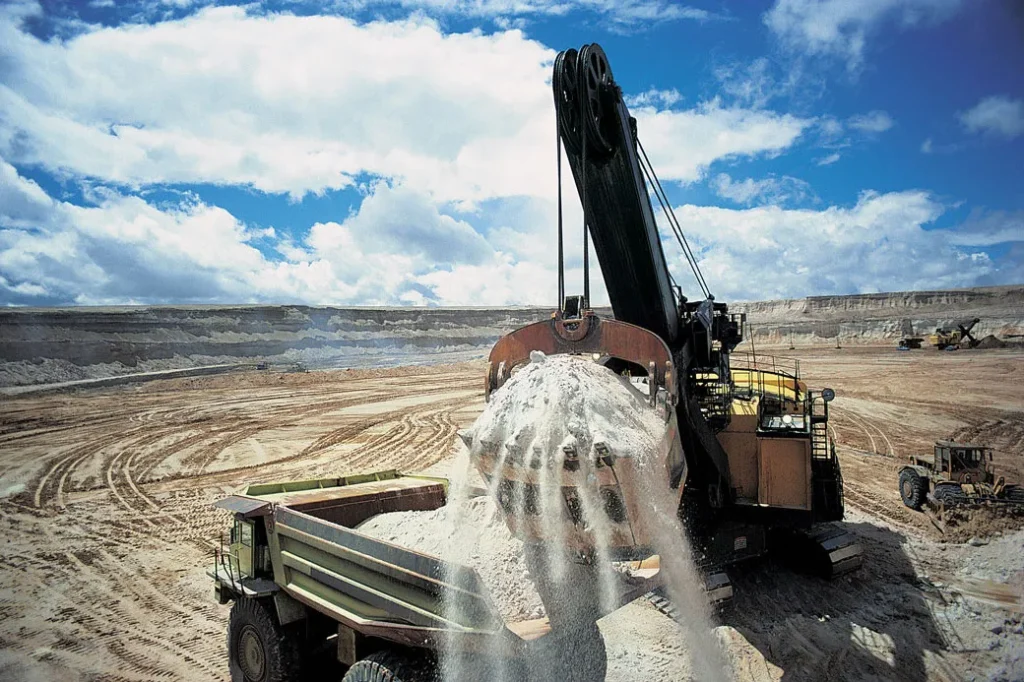
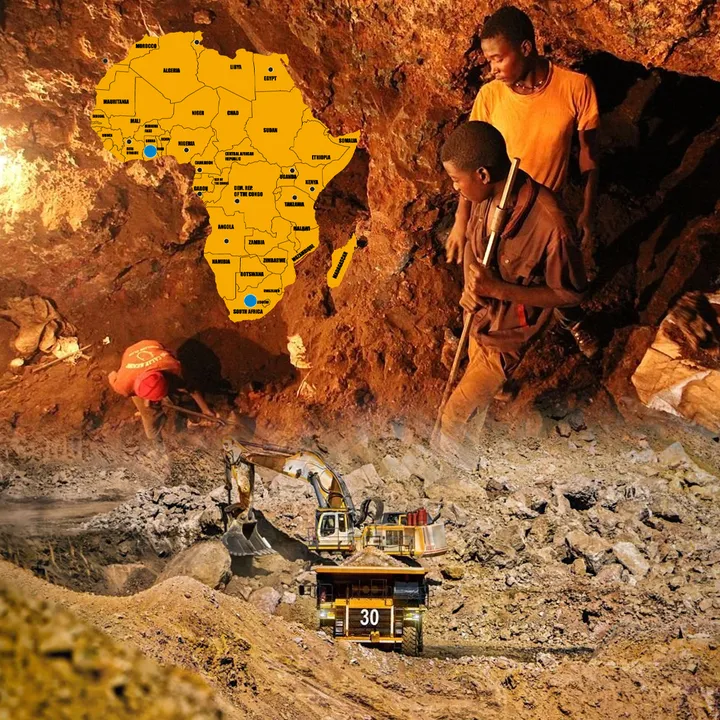
Industrial gold mining involves mechanized extraction, typically conducted by multinational corporations under government licenses.
Features:
- Use of advanced technologies like open-pit mining and underground drilling
- Employment of thousands in engineering, logistics, and management roles
- Major companies include AngloGold Ashanti, Barrick Gold, B2Gold, and Newmont
Industrial mines are found in countries like South Africa, Ghana, Tanzania, Mali and Burkina Faso. Here geological conditions support large reserves.
2. Artisanal and Small-Scale Mining (ASM)
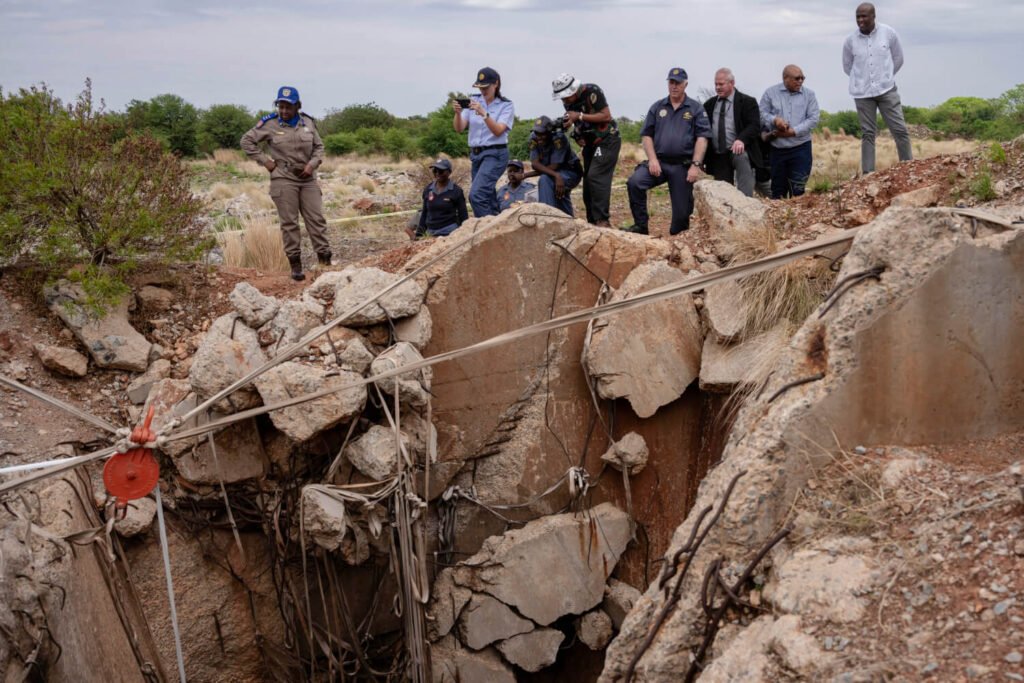
Artisanal and small-scale mining accounts for up to 30% of Africa’s total gold production– often conducted by individuals or small groups using basic tools.
Characteristics:
- Labor-intensive work with minimal safety equipment
- Often operates outside formal regulation
- Provides income for millions of miners and their families
- Common in the DRC, Guinea, Ethiopia, Uganda, and Sierra Leone
While ASM supports livelihoods, it also faces issues such as environmental damage and exposure to hazardous chemicals like mercury.
3. Gold Processing

After extraction, gold must be processed to remove impurities and prepared for sale through:
- Crushing and grinding ore
- Chemical leaching (often using cyanide or mercury)
- Smelting to produce gold bars or ingots
In many African countries, especially those with limited infrastructure, raw gold’s exported for refining abroad, limiting local economic benefits.
4. Environmental and Health Risks
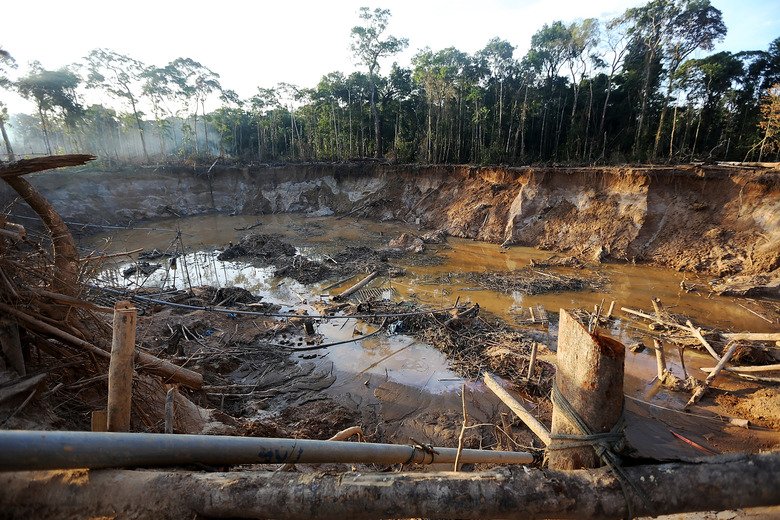
- Mercury pollution contaminates water sources and harms ecosystems.
- Deforestation and land degradation occur around mining sites.
- Air and water pollution affects nearby communities.
- Miners face risks such as lung diseases, injuries, and exposure to toxic substances.
Efforts to promote cleaner technologies, such as mercury-free processing, are growing but still limited.
5. Regulation and Governance Challenges
Effective regulation of gold extraction in Africa faces several obstacles:
- Weak enforcement of mining laws
- Corruption and illegal mining networks
- Lack of transparency in revenue collection
- Conflicts over land rights and community displacement
Initiatives like the Extractive Industries Transparency Initiative (EITI) aim to improve accountability and ensure that gold benefits reach local populations.
Frequently Asked Questions (FAQ)
Q: How is gold mined in Africa?
A: Gold is extracted through both industrial mining (large-scale, mechanized operations) and artisanal and small-scale mining (ASM) using manual methods.
Q: Is artisanal gold mining legal in Africa?
A: Yes, in many countries, but it often operates informally due to bureaucratic hurdles and lack of licensing access.
Q: Why mercury in gold mining?
A: Mercury is used to separate gold from ore because it’s cheap and easy to use, though it poses serious health and environmental risks.
Final Thoughts
Gold extraction in Africa continues to shape economies and livelihoods across the continent. While industrial mining brings investment and jobs, artisanal mining supports millions at the grassroots level.
However, addressing environmental damage, improving working conditions, and strengthening governance are essential to ensuring that gold extraction contributes to sustainable development rather than exploitation.