Gold distribution in Africa exists in a few key countries and geological zones. Understanding ways and areas gold occurs across the continent helps investors, governments, and businesses make informed decisions.
1. Major Gold-Producing Countries

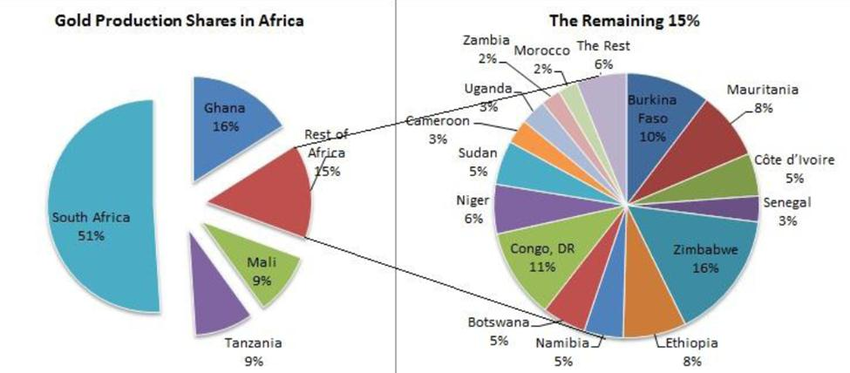
The top gold-producing nations in Africa include:
- Ghana – Leading producer with strong industrial and artisanal mining.
- South Africa – Once the global leader, now declining but still significant.
- Mali – Growing output with increasing foreign investment.
- Tanzania – East Africa’s main gold hub.
- DRC – Rising production, often linked to informal or conflict-prone areas.
Other contributors: Burkina Faso, Guinea, Sudan, and Ethiopia.
2. Geological Factors
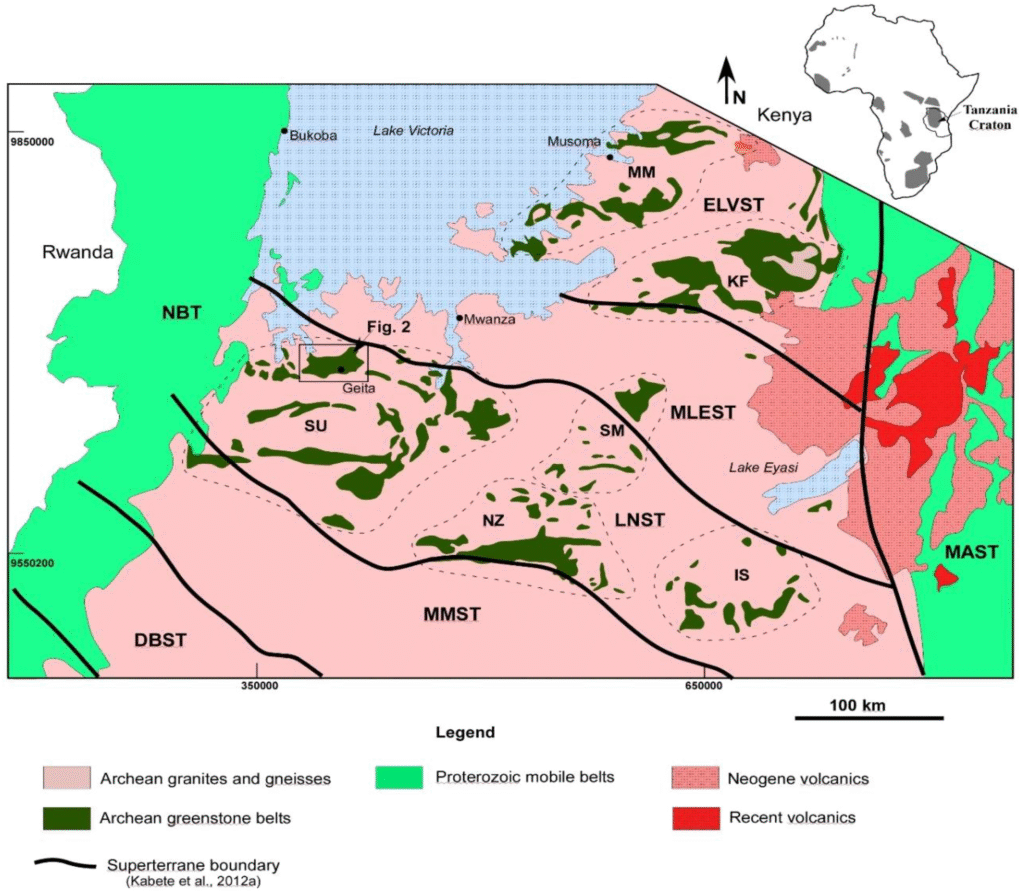
Gold deposits follow major geological belts:
- Witwatersrand Basin (South Africa) – The richest gold field globally.
- Birimian Greenstone Belts (West Africa) – Stretching through Ghana, Mali, and Burkina Faso.
- Tanzanian Shield (East Africa) – Hosts productive mines.
- Central African Copperbelt (DRC and Zambia) – Contains secondary gold resources.
These ancient formations contain gold trapped in rock layers formed billions of years ago.
3. Types of Mining Operations
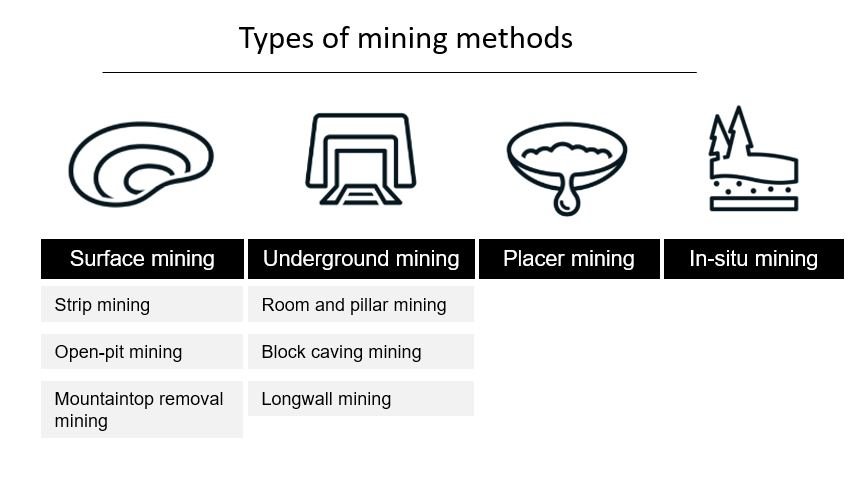
Africa’s gold comes from:
- Industrial mining – Run by large firms like AngloGold Ashanti and Barrick Gold.
- Artisanal and small-scale mining (ASM) – Accounts for up to 30% of total output, especially in DRC and Tanzania.
- Exploration projects – Many new sites being assessed for future development.
Formal mining supports national economies, while ASM supports local livelihoods.
4. Economic Impact

Gold plays a major role in several African economies by:
- Generating foreign exchange
- Creating jobs directly and indirectly
- Attracting foreign investment
However, benefits aren’t always evenly shared, and mismanagement can cause inequality and instability.
5. Challenges in Gold Distribution
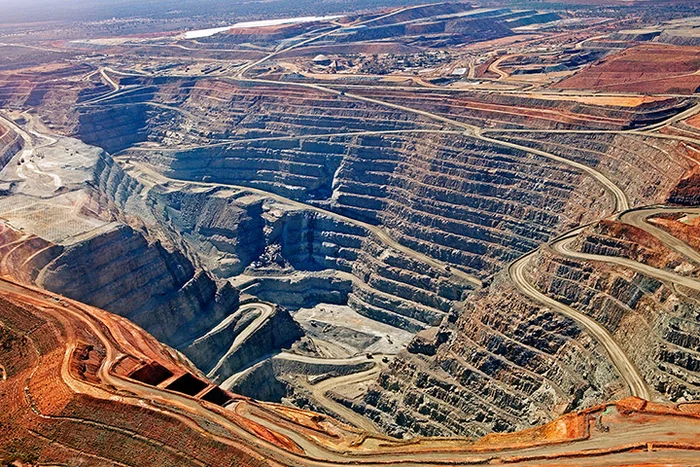
Major challenges include:
- Illegal mining and smuggling
- Conflict minerals in unstable regions
- Environmental damage, especially from mercury use
- Weak regulation and oversight
Initiatives like the Extractive Industries Transparency Initiative (EITI) aim to improve accountability.
Frequently Asked Questions (FAQ)
Q: Which country produces the most gold in Africa?
A: Ghana is currently the largest gold producer.
Q: Is all African gold exported?
A: Most is exported as raw ore or refined bullion, though some is sold locally.
Q: Does gold mining help local communities?
A: It can provide jobs and income, but poor regulation can cause harm.
Final Thoughts
Gold distribution in Africa is shaped by geology, economics, and governance. While a few countries dominate production, better regulation and sustainability can ensure broader benefits for communities and economies.