Gold mining may seem like a high-stakes adventure, but it all starts with the right tools . Whether you’re panning in a river, sluicing gravel, or detecting for nuggets, having the proper equipment can make the difference between frustration and success.
In this guide, we’ll walk you through the most important gold mining tools —from classic pans to modern metal detectors—and help you choose what you need based on your budget, location, and experience level.
1. Why Using the Right Tools Matters
Gold is heavy, often tiny, and easily lost if you’re not equipped properly. The right tools help you:
- Separate gold from dirt and debris
- Increase recovery rates
- Work more efficiently
- Enjoy the process more
Whether you’re a beginner or a seasoned prospector, using the correct tools ensures that no gold goes unnoticed.
2. Essential Gold Mining Tools for Beginners
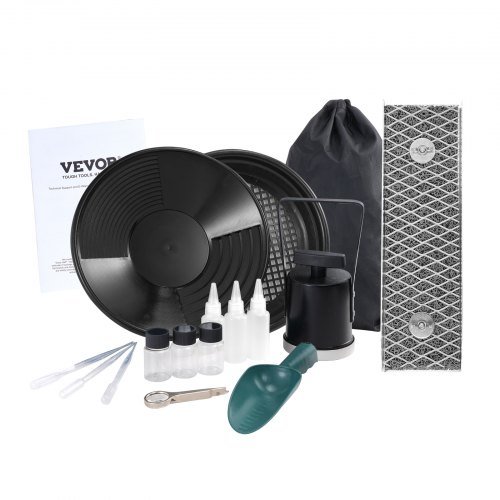
Here’s a list of must-have tools to get started with gold prospecting:
🔹 Gold Pan
The most iconic tool in gold mining. Used to separate gold from sand and gravel by swirling water.
- Best for : Placer gold in streams and rivers
- Types : Plastic (lightweight), steel (durable), ribbed for better separation
🔹 Classifier Screens
Used to sift material before panning. Helps remove large rocks so only fine material ends up in your pan.
- Sizes : 1/4″, 1/2″, 3/8″
- Use with : A bucket and shovel
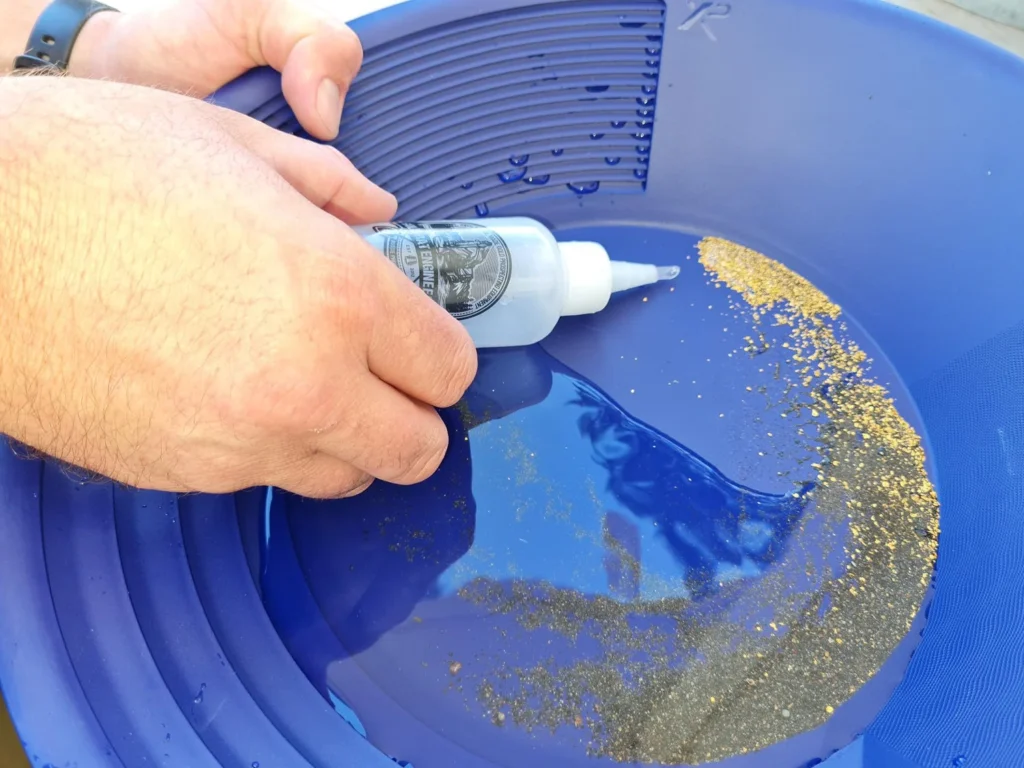
🔹 Snuffer Bottle
A small suction device used to collect fine gold flakes and nuggets from your pan.
- Why use it : Avoid losing small particles when pouring off water
- Tip : Use a black background inside the bottle for visibility
🔹 Magnet
Helps remove black sands (mostly iron) from your concentrates.
- Use after panning to isolate gold
- Strong neodymium magnets work
🔹 Shovel & Bucket
Basic but essential for digging and carrying gravel and soil.
- Shovel types : Square-point for cutting through hard-packed earth
- Bucket size : 5-gallon buckets are ideal
🔹 Tweezers or Spoon
Used to pick out visible gold flakes or nuggets from concentrates.
- Tweezers : Best for very small particles
- Spoon : Useful for scooping larger flakes

3. Advanced Tools for Serious Prospectors
Once you’ve mastered the basics, consider upgrading to these tools for more efficiency and coverage:
🔹 Sluice Box
A water-powered device that separates gold from gravel automatically.
- Best for : Processing large volumes of material
- Portable models available for field use
🔹 Metal Detector
Great for finding nuggets above ground or near-surface deposits.
- Look for : Detectors designed for “gold hunting”
- Popular brands : Minelab, Garrett, Fisher
🔹 High Banker
A portable sluice system with a hopper and pump, ideal for remote locations.
- Best for : High-volume processing without running water nearby
🔹 Dry Washer
Used in arid environments where water is scarce.
- How it works : Uses air to separate gold from lighter materials
- Ideal for : Desert prospecting
4. How to Choose the Right Tools
When selecting gold mining tools, consider:
- Location : Are you working in a stream, dry desert, or old mine dump?
- Experience Level : Start simple if you’re new.
- Budget : Basic kits start around $50; advanced setups cost hundreds.
- Mobility : Will you be hiking far? Choose lightweight tools.
🔍 Pro Tip : Invest in quality over quantity. One well-made pan beats three flimsy ones.
❓ Frequently Asked Questions (FAQs)
Q1: What is the most important gold mining tool for beginners?
A: A gold pan is the most essential and affordable starting point.
Q2: Can I mine for gold without water?
A: Yes! Use a dry washer or metal detector in arid areas.
Q3: Do I need special tools to find small gold flakes?
A: Yes. A snuffer bottle and magnifier help recover and identify fine gold.
Q4: Are expensive tools worth it?
A: If you plan to mine regularly, investing in quality tools will improve results and durability.
Q5: Where can I buy gold mining tools?
A: Online retailers like Gold Fever Prospecting , Amazon , and local outdoor stores carry a wide range.
