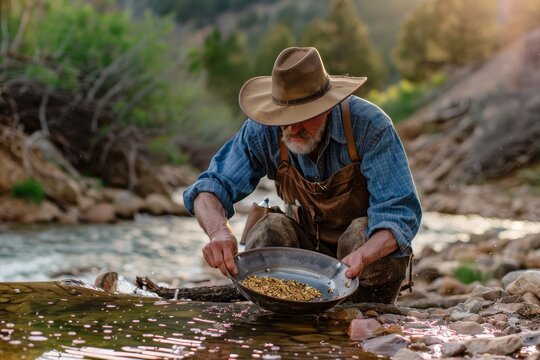
The first step in local gold mining is determining whether gold exists in your area. Gold deposits are typically found in regions with historical mining activity or specific geological features such as:
- Ancient riverbeds
- Quartz veins
- Alluvial deposits
- Mountainous terrain from tectonic activity
Popular Gold-Rich States in the U.S.:
- California (Sierra Nevada Mountains)
- Alaska (Yukon-Koyukuk, Fairbanks)
- Colorado (Clear Creek, Cripple Creek)
- Nevada (Carlin Trend)
- Arizona (Bradshaw Mountains)
Use online resources like the USGS Minerals Database , state geological surveys, or local prospecting clubs to identify promising spots.
How to Start Gold Mining Near You
1. Research Public & Private Claims
Check if there are public lands open for recreational gold panning or sluicing. Many areas managed by the Bureau of Land Management (BLM) allow small-scale prospecting without a permit.
For more serious operations, you may need to stake a claim or get permission from private landowners.
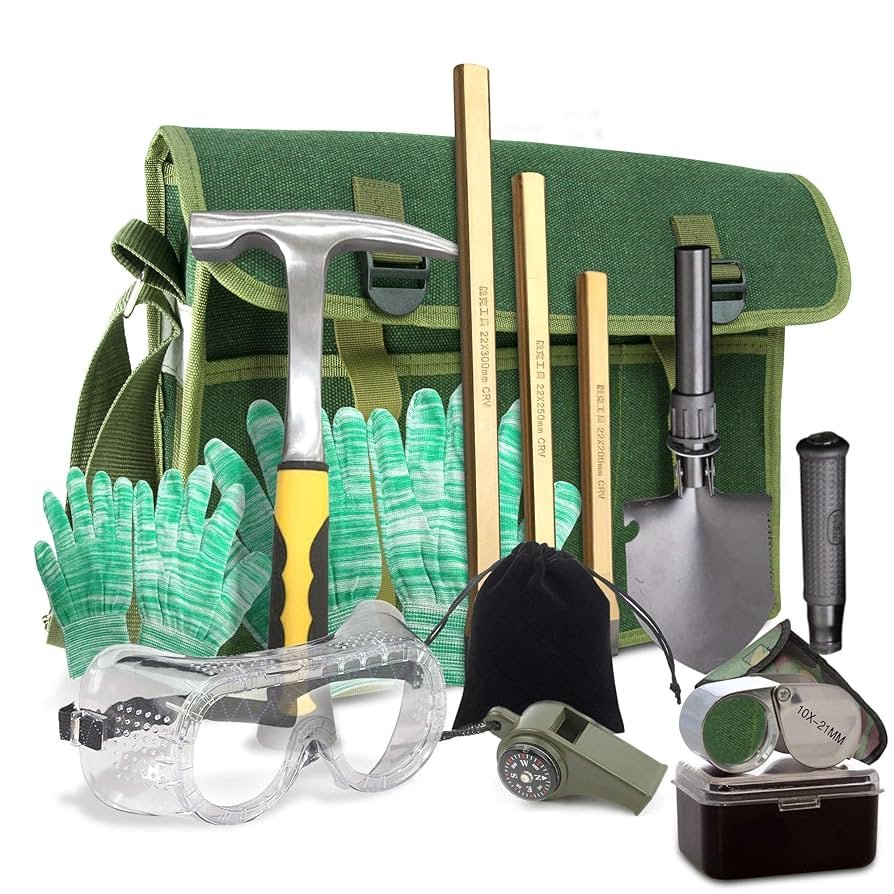
2. Get the Right Tools
Start with basic gear:
- Gold pan
- Sluice box
- Metal detector
- Shovel and classifier screens
As you gain experience, you can upgrade to highbankers or dredges.
3. Learn Local Regulations
Each state has different rules regarding gold mining. Always verify:
- Permits required
- Environmental protections
- Equipment restrictions
Top Tips for Successful Prospecting
- Look for “indicator minerals” like black sand, which often signals nearby gold.
- Focus on bends in rivers and behind large rocks where gold settles.
- Join local prospecting groups for tips and access to private claims.
- Use metal detectors tuned to gold sensitivity.
- Pan regularly to test different spots.
Frequently Asked Questions (FAQs)
Q1: Do I need a permit to pan for gold near me?
In most public lands, recreational panning doesn’t require a permit. However, always check with local authorities or the BLM for specific rules in your area.
Q2: Can I keep the gold I find?
Yes! In most cases, any gold you find while prospecting recreationally is yours to keep—just be sure you’re on legal ground and following all local laws.
Q3: What’s the best place to start gold mining as a beginner?
Areas with known placer gold deposits like streams and riverbeds are ideal. States like California, Colorado, and Alaska offer some of the best beginner-friendly gold sites.
