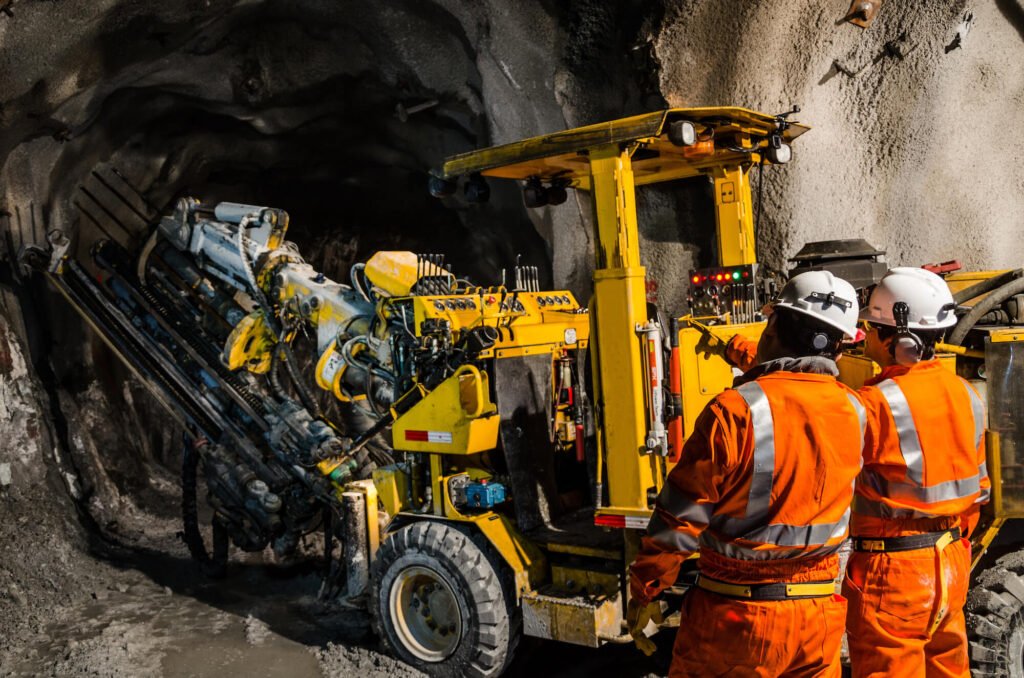
Gold mines in Africa are owned by a mix of multinational mining companies, state-owned enterprises, and local or regional firms. While some governments regulate and oversee mining activity, the actual ownership and operation of gold mines often involve international investors and partnerships.
1. Multinational Mining Companies

Some of the largest gold producers in Africa are operated by international mining giants, many of which are listed on global stock exchanges.
Major Players:
- AngloGold Ashanti – Headquartered in South Africa, operates major mines in Ghana, Guinea, and Brazil.
- Newmont Corporation – U.S.-based, with significant holdings in Ghana’s Ahafo and Akyem mines.
- Barrick Gold – Canadian firm managing large-scale operations in Tanzania and Mali.
- Sibanye-Stillwater – South African-based company operating deep-level gold mines in South Africa.
- Harmony Gold – One of South Africa’s oldest gold miners, still active in several regions.
These companies typically operate under joint ventures or local subsidiaries, working within national regulatory frameworks.
2. State-Owned Entities and Local Companies
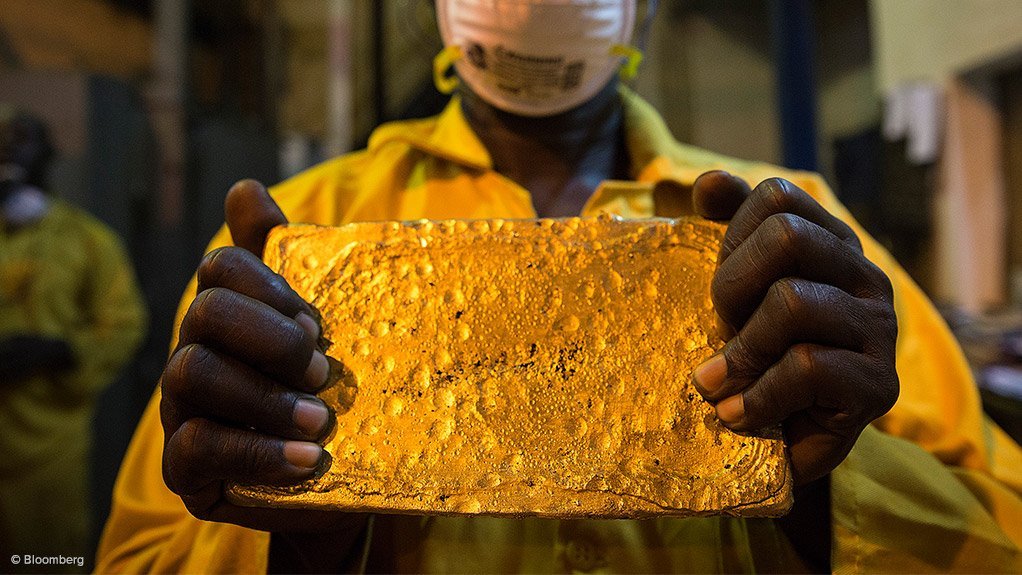
Some African countries have state-owned mining companies that either operate mines directly or partner with foreign firms:
Notable Examples:
- Ghana: The government holds stakes through the Ghanaian Minerals Development Fund and supports joint ventures with private operators.
- South Africa: The state plays a regulatory role but does not directly own most mines—however, entities like Public Investment Corporation (PIC) hold shares in major mining firms.
- Mali: The state participates in certain projects to ensure revenue sharing and compliance with local laws.
- Tanzania: The government increased its stake in mining assets in recent years, including partial ownership in some gold operations.
Local African companies also play a growing role, especially in smaller or mid-tier operations across West and East Africa.
3. Joint Ventures and Partnerships
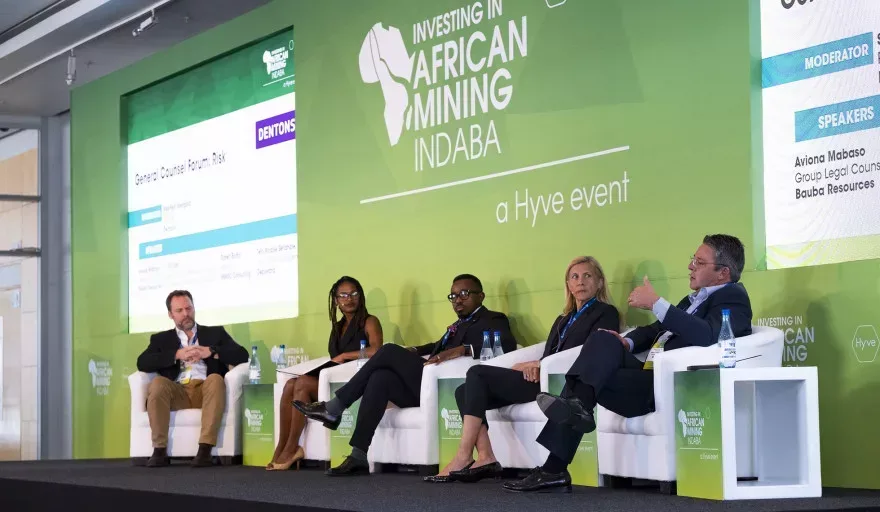
Many gold mines in Africa are run as joint ventures, where foreign companies partner with local firms or governments. This model helps share risk, access capital, and comply with national regulations.
Examples include:
- Endeavour Mining and Teranga Gold – Active in Senegal and Burkina Faso.
- Resolute Mining and Harmony Gold – Operate combined assets in Mali.
- Gold Fields and Gossan Hill Gold – Collaborating on expansion projects in West Africa.
These partnerships are often structured to meet local content requirements, such as minimum local ownership or employment quotas.
4. Artisanal and Small-Scale Miners
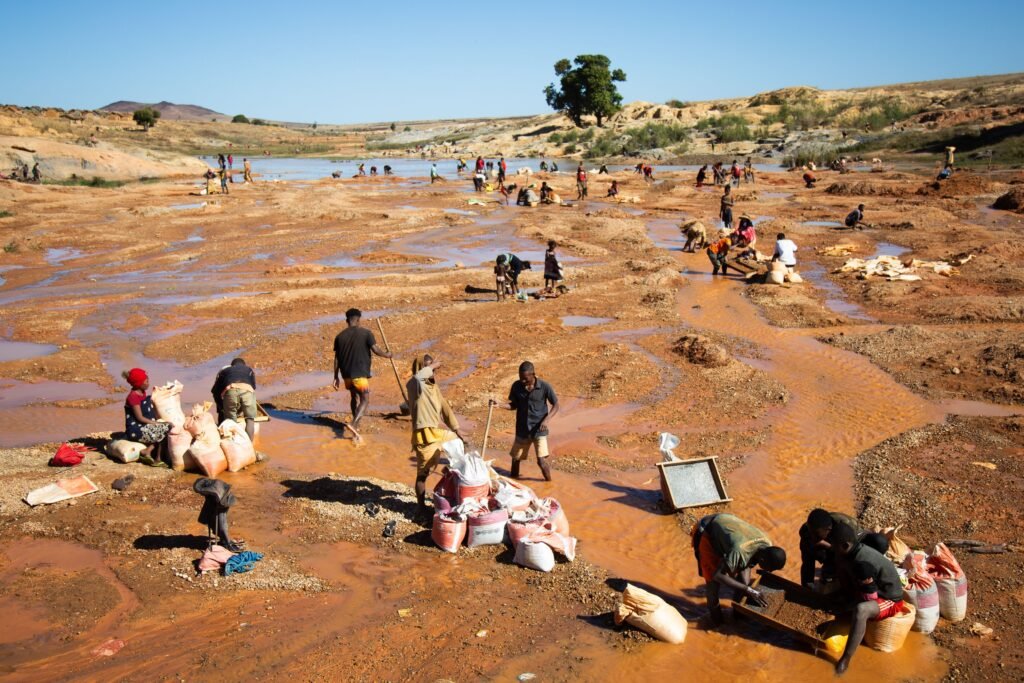
In addition to industrial operations, artisanal and small-scale miners contribute significantly to Africa’s total gold output. These are typically local individuals or cooperatives who work in informal or licensed conditions.
While they do not “own” large mines, they operate under government permits in designated zones. Some countries have introduced policies to formalize this sector and increase transparency.
5. Foreign Investment and Ownership Rules
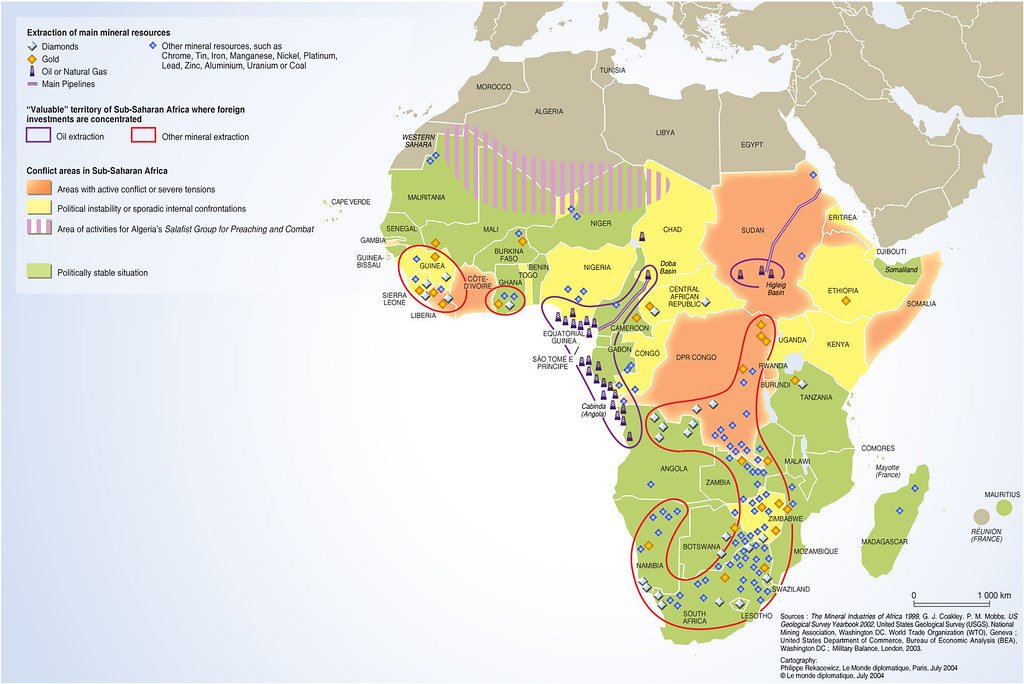
Ownership rules vary by country. Some African nations require:
- Minimum local ownership percentages
- Community benefit agreements
- Royalty payments to the government
Foreign investors must navigate these regulations, often setting up local subsidiaries or partnering with domestic firms to gain operational rights.
Frequently Asked Questions (FAQs)
Q: Are African gold mines mostly owned by foreigners?
A: Many large gold mines are owned or operated by foreign companies, but local governments and businesses also hold significant interests through joint ventures and equity participation.
Q: Can African citizens own gold mines?
A: Yes, individuals and companies can apply for licenses to explore and mine gold, though large-scale operations usually require substantial capital and technical expertise.
Q: Do African governments own any gold mines?
A: In some cases, yes. Governments may hold minority or majority stakes in certain mines, particularly in countries like Tanzania and Mali.
Conclusion
Ownership of gold mines in Africa is diverse, involving global mining firms, local entrepreneurs, and government-backed entities. While multinational corporations dominate large-scale production, increasing regulation and local participation are shaping the future of African gold mining.
