Gold has captivated human civilization for thousands of years. From ancient treasures to modern economies, gold mining in history has played a crucial role in shaping societies, trade, and exploration.
In this article, we’ll explore the origins of gold mining, its evolution through different historical periods, and how it influenced empires, economies, and global expansion.
1. Early Gold Mining in Ancient Civilizations
Gold was first mined and used by ancient civilizations such as:
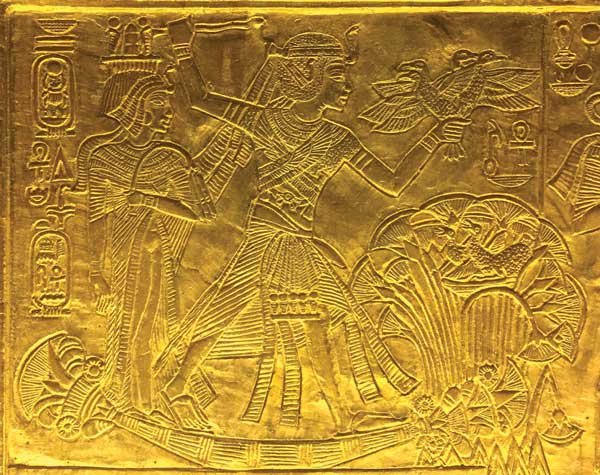
- Egyptians (circa 2000 BCE) – Used gold for jewelry, religious artifacts, and royal burials.
- Romans – Developed hydraulic mining techniques to extract gold from riverbeds.
- Incas and Aztecs – Revered gold as sacred but were devastated when Spanish conquistadors looted their treasures.
These early uses laid the foundation for gold’s lasting value.

2. The Role of Gold in Trade and Currency
As societies grew, gold became a standard for currency and wealth:
- Gold coins were minted by the Lydians around 600 BCE.
- It served as a stable medium of exchange across continents.
- Empires like the Persian , Greek , and Roman used gold to fund armies and infrastructure.
Gold helped establish economic systems that shaped the ancient world.
3. The Age of Exploration and Colonial Gold Rushes
During the 15th to 17th centuries , European powers sought new sources of gold:
- Spain plundered gold from the Americas , especially from the Inca Empire and Potosí mines in Bolivia.
- Portugal profited from gold found in Brazil during the 18th century.
- These discoveries fueled colonization, slavery, and global economic shifts.
The search for gold drove exploration and exploitation across continents.

4. Major Gold Rushes That Shaped Modern History
![Gold Rushes Map Image Description: Timeline and map showing major gold rushes in California (1848), Australia (1851), South Africa (1886), and Alaska (1890s).]
Several modern gold rushes transformed regions and economies:
- California Gold Rush (1848) – Sparked mass migration and rapid development of the U.S. West.
- Australian Gold Rushes (1851–1890s) – Helped shape modern Australia’s population and economy.
- Witwatersrand Gold Rush (1886) – Led to the founding of Johannesburg and made South Africa the world’s top gold producer for decades.
These events brought innovation, immigration, and industrialization.
5. Gold Mining and Its Impact on Society
Gold mining has had profound social impacts:
- Economic growth : Created jobs and funded nations.
- Labor issues : Often involved harsh working conditions, child labor, and exploitation.
- Environmental impact : Caused deforestation, pollution, and displacement of communities.
- Political power : Gold reserves have historically influenced wars, colonialism, and national policies.
Even today, the legacy of historical gold mining affects global markets and environmental concerns.

FAQs
Q: When did humans start mining gold?
A: Gold mining dates back over 5,000 years , with some of the earliest known use by ancient Egyptians .
Q: Which country produced the most gold historically?
A: South Africa was the largest gold producer for much of the 20th century due to the Witwatersrand gold fields .
Q: How did gold mining influence American history?
A: The California Gold Rush (1848) dramatically accelerated westward expansion, population growth, and economic development in the U.S.
