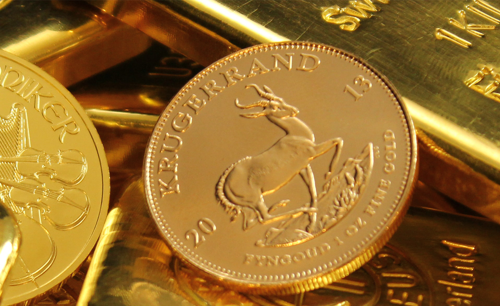
The cost of gold in Africa varies by country, depending on local taxes, import duties, dealer margins, and the global gold price. However, gold is typically priced based on the international spot price, which is set daily on global markets like the London Bullion Market Association (LBMA).
What Influences Gold Prices in Africa?
Gold prices are tied to the global market, but several factors affect how much buyers pay locally:
- Exchange rates: Local currencies fluctuate against the US dollar, which impacts gold pricing.
- Import duties and VAT: Some countries tax gold purchases, especially jewelry.
- Dealer premiums: Certified dealers may charge more for security, authenticity, and service fees.
- Form of gold: Coins, bars, and jewelry carry different price points.
1. Gold Coins – Popular Investment Option
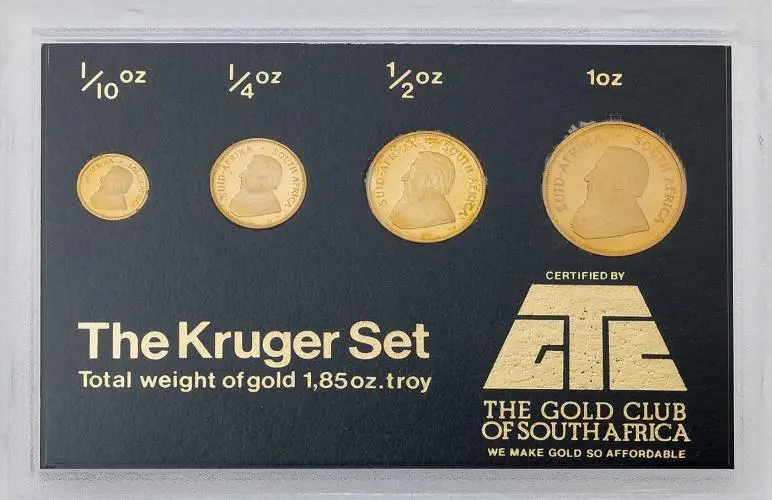
In countries like South Africa, popular gold coins include:
- Krugerrand (1 oz gold coin)
- African Wildlife Series
- Natura Series
These are usually sold at a small premium over the spot price—typically between $5 to $20 per coin, depending on rarity and demand.
2. Gold Bars – Favored by Investors

Gold bars come in sizes ranging from 1 gram to 1 kilogram and are widely available through:
- Banks
- Licensed bullion dealers
- Online platforms
As of recent global pricing:
- 1 oz gold bar: ~$230–$240 USD (subject to daily change)
- 1g gold bar: ~$8–$9 USD
Local prices may be higher due to taxes or delivery fees.
3. Gold Jewelry – Common Consumer Purchase

Gold jewelry is widely bought across Africa, especially in North and West Africa, where it’s also seen as a form of investment.
Pricing includes:
- Base gold value
- Craftsmanship cost
- Retail markup (often 10–30%)
For example:
- A 10-gram gold necklace could cost $300–$400 USD, depending on design and location.
Country-by-Country Gold Pricing Examples
Here’s a snapshot of how much gold costs in major African gold markets:
| Country | 1 oz Gold Coin (USD) | 1 oz Gold Bar (USD) | 10g Gold Jewelry (USD) |
|---|---|---|---|
| South Africa | $240–$260 | $235–$250 | $300–$400 |
| Ghana | $245–$270 | $240–$260 | $320–$420 |
| Nigeria | $250–$280 | $245–$265 | $340–$450 |
| Kenya | $240–$265 | $238–$255 | $310–$410 |
| Mali | $245–$275 | $240–$260 | $330–$430 |
Prices are estimates and can vary daily based on the gold spot price and exchange rate.
Frequently Asked Questions (FAQs)
Q: Is gold cheaper in Africa?
A: Not necessarily. While gold is mined in many African countries, local prices reflect global values plus taxes, making them comparable to international markets.
Q: Can I buy gold at the spot price in Africa?
A: Rarely. Most dealers sell above the spot price to cover operational costs, licensing, and profit margins.
Q: Are there taxes on gold purchases in Africa?
A: It depends on the country. South Africa, for example, exempts investment gold from VAT, while other nations may apply standard sales tax.
Conclusion
Gold prices in Africa reflect the global spot price, with variations based on local taxes, dealer premiums, and product type. Whether buying coins, bars, or jewelry, understanding these factors helps investors and collectors make informed decisions.
