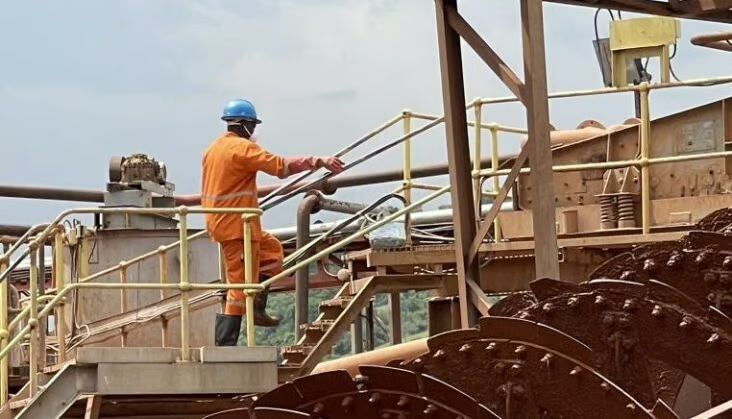
Mining gold in Africa is a significant economic activity across many countries, offering opportunities for both large-scale industrial operations and small-scale licensed miners. However, it requires proper licensing, capital investment, and compliance with local laws.
1. Understand the Legal Framework

Gold mining in Africa is regulated by national governments. Each country has its own mineral rights laws, but most require:
- A valid mining license or prospecting right
- Compliance with environmental regulations
- Engagement with local communities and landowners
Always work through legal channels to avoid penalties and ensure long-term operation stability.
2. Choose a Country with Gold Reserves
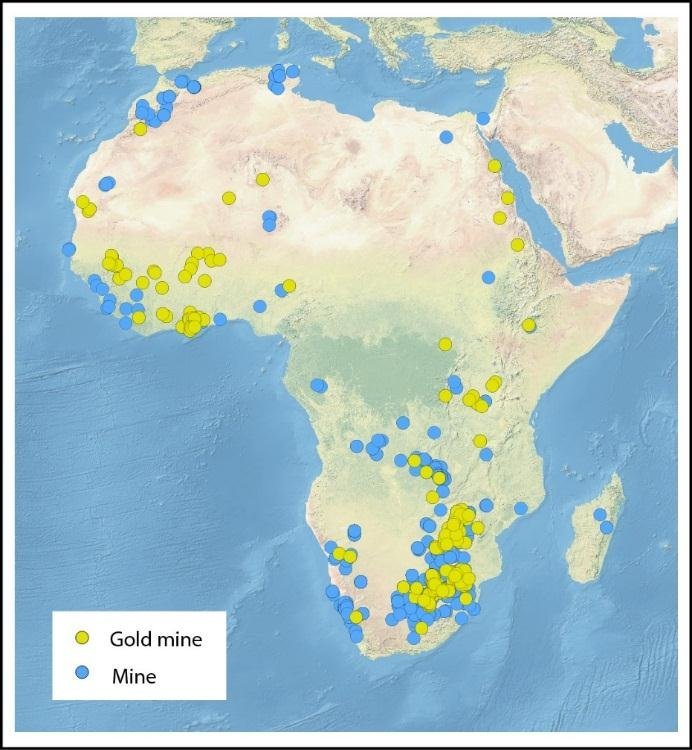
Some of the best African countries for gold mining include:
- Ghana: Leading gold producer with strong investor protections
- South Africa: Home to the Witwatersrand Basin, the richest gold field ever
- Mali: Stable West African hub for large-scale gold mining
- Tanzania: Significant reserves and active exploration zones
- Burkina Faso: Rapidly growing output with new mines opening regularly
Each offers varying levels of regulation, infrastructure, and opportunity.
3. Apply for Mining Rights
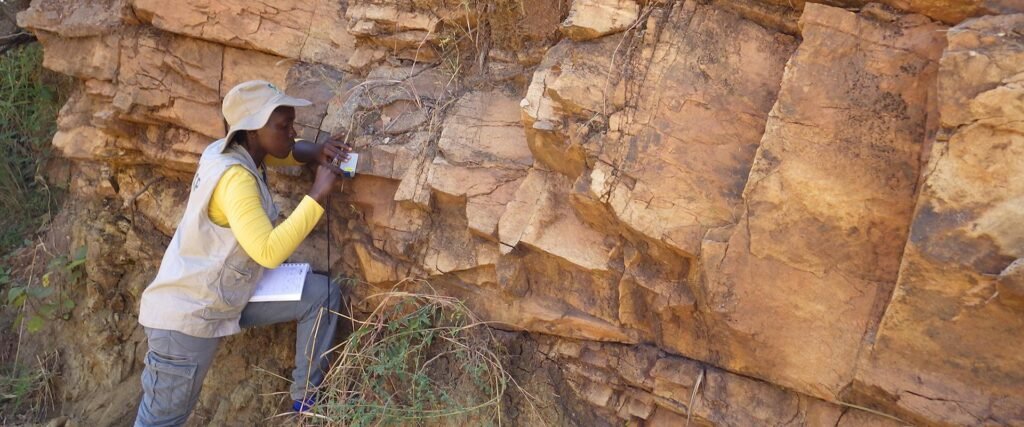
To begin gold mining, you must apply for:
- Prospecting License: Allows exploration of a potential site.
- Mining License or Right: Required for full extraction and commercial production.
Applications are typically submitted to the national Minerals or Mining Authority and may involve:
- Environmental impact assessments
- Public consultation processes
- Land access agreements
Legal assistance is highly recommended.
4. Explore and Survey the Site
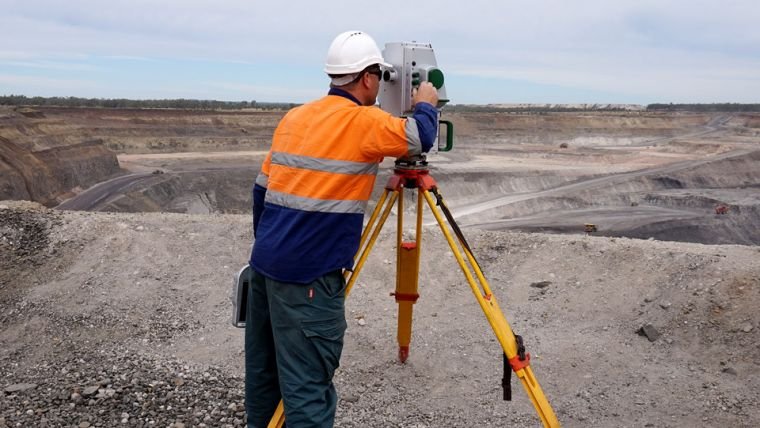
Before mining begins, conduct thorough geophysical surveys, soil sampling, and drilling to confirm the presence and value of gold deposits.
Common methods include:
- Aerial mapping
- Ground penetrating radar
- Core drilling and lab testing
This step helps determine whether the project is economically viable.
5. Select a Mining Method
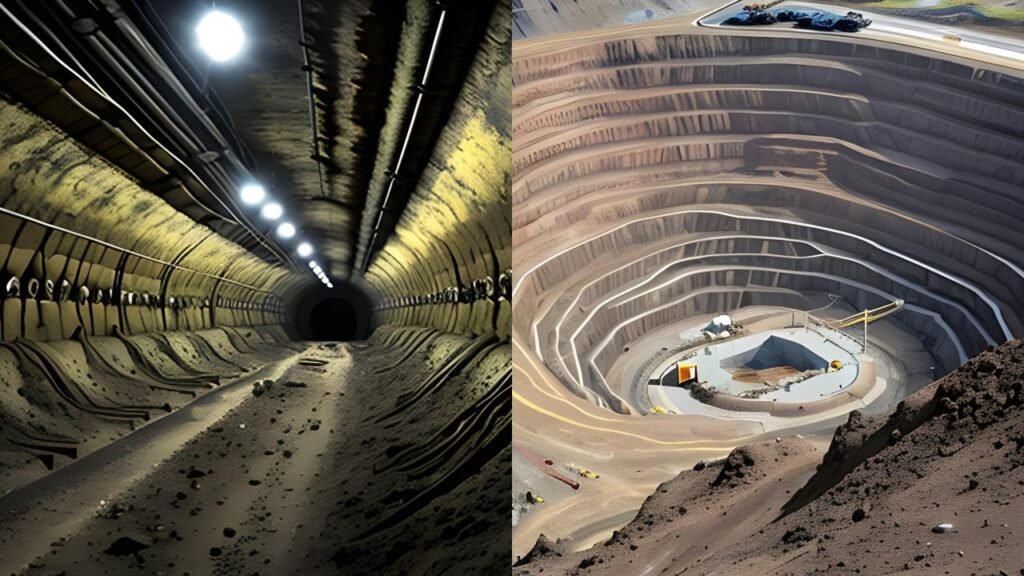
There are two main types of gold mining:
- Open-pit mining: Best for shallow, large-volume deposits.
- Underground mining: Used for deeper, high-grade ore bodies.
Other small-scale techniques include:
- Alluvial panning
- Dredging
- Artisanal shaft mining
Choose the method that best suits your deposit type and budget.
6. Set Up Processing Infrastructure
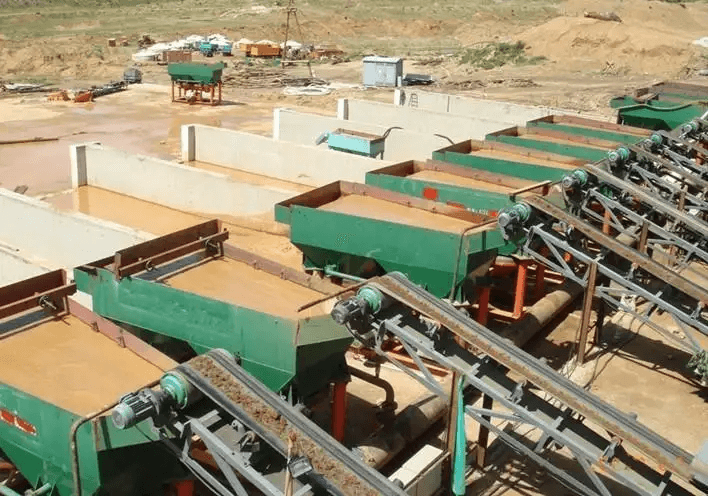
Once gold is extracted, it needs to be processed to separate the valuable metal from waste rock. Common methods include:
- Gravity separation
- Cyanide leaching
- Flotation and smelting
Processing plants vary in scale depending on operation size and gold purity requirements.
7. Ensure Environmental and Social Responsibility
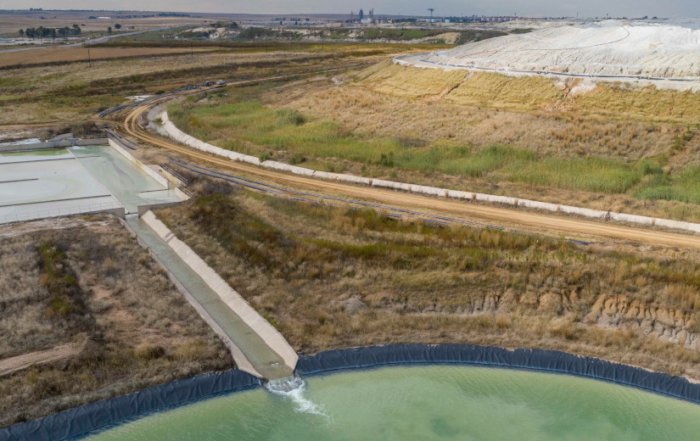
Responsible mining includes:
- Managing waste and tailings safely
- Preventing water contamination
- Rehabilitating mined land
- Supporting local employment and community development
Many African governments and international investors now require Environmental and Social Impact Assessments (ESIA) before approving mining projects.
Frequently Asked Questions (FAQs)
Q: Do I need a license to mine gold in Africa?
A: Yes, all gold mining requires a valid license issued by the relevant government authority.
Q: Can foreigners own gold mines in Africa?
A: In most cases, yes—though often through joint ventures or local partnerships.
Q: Is artisanal gold mining allowed in Africa?
A: Yes, but only under regulated conditions. Many countries offer small-scale mining licenses for local operators.
Conclusion
Mining gold in Africa is possible and profitable when done legally and responsibly. With rich reserves across multiple countries, Africa continues to attract both domestic and international investors looking to tap into one of the world’s oldest and most valuable resources.
