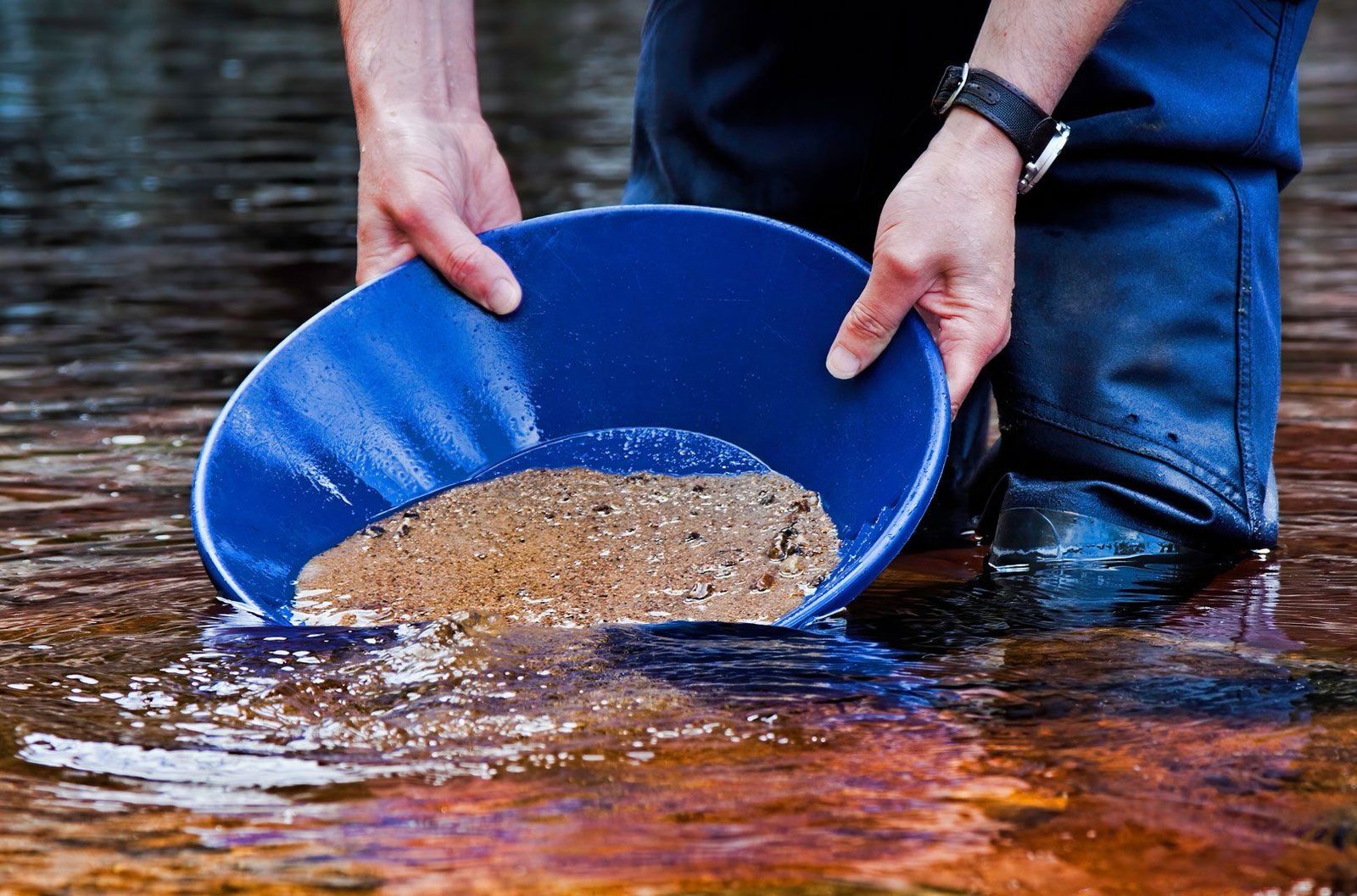
Yes, you can pan for gold in South Africa, although it is not as widespread or productive as in some other countries. While most gold in South Africa comes from large-scale underground and open-pit mines, there are still opportunities for individuals to pan for gold—especially in certain regions with alluvial deposits or near historic mining areas.
Is Gold Panning Legal in South Africa?
Gold panning is legal only if done on licensed land or with proper permits. In South Africa, the Mineral and Petroleum Resources Development Act (MPRDA) regulates all forms of mineral extraction, including small-scale prospecting and panning.
To legally pan for gold:
- Obtain a reconnaissance permit or small-scale mining license from the Department of Mineral Resources and Energy.
- Ensure you have permission from the landowner if panning on private property.
- Avoid restricted or protected mining zones.
Unauthorized panning, especially near operational mines or protected areas, can lead to fines or legal action.
1. Popular Regions for Gold Panning
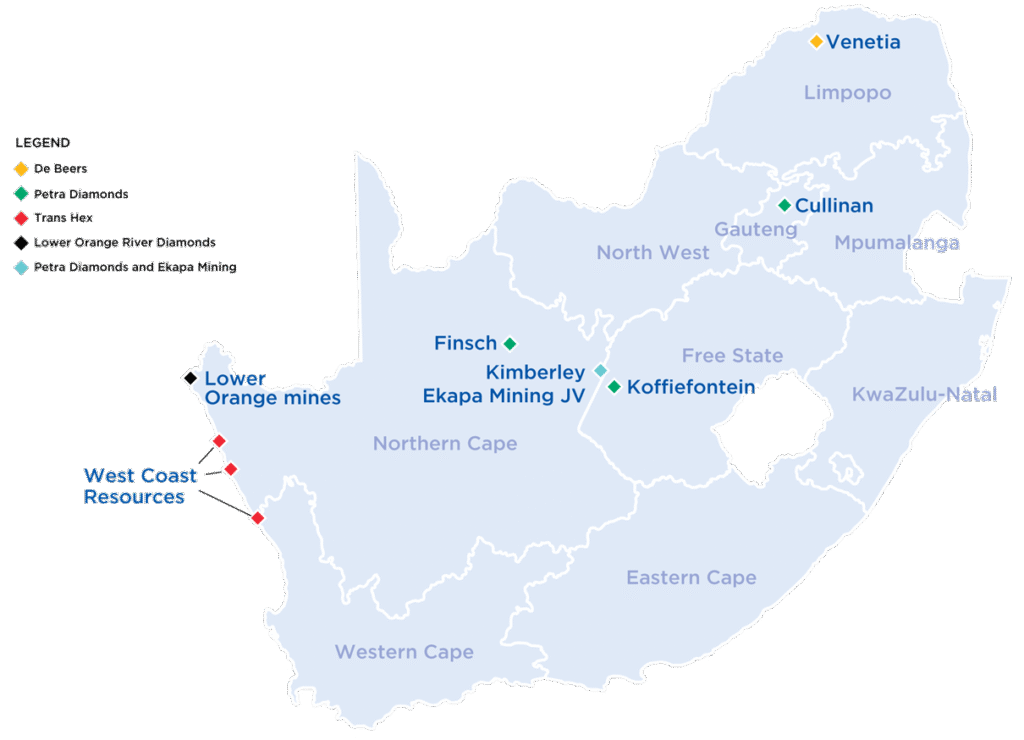
Some areas in South Africa are historically known for alluvial gold and are more favorable for panning:
- Barberton (Mpumalanga) – One of the oldest gold fields in South Africa with accessible river systems.
- Witwatersrand Basin (Gauteng) – Though mostly mined underground, old tailings and rivers may contain trace gold.
- Limpopo Province – Certain areas show potential for placer gold, especially near greenstone belts.
- Old Mine Dumps – Some abandoned mine sites allow access for hobby prospectors under supervision.
2. What You Need to Pan for Gold
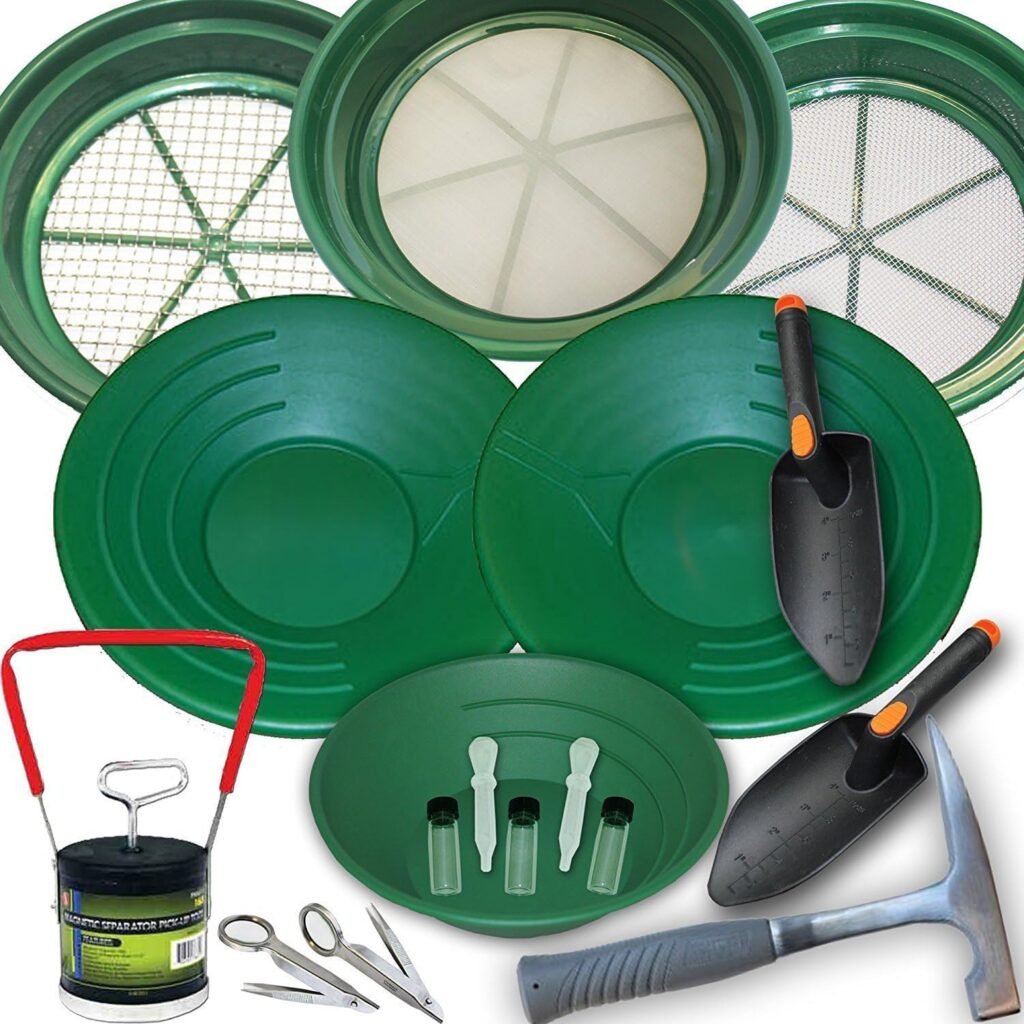
To start gold panning, you’ll need:
- A gold pan (preferably black-bottomed for visibility)
- Access to a river or stream that flows through gold-bearing areas
- A bucket or shovel for collecting sediment
- A magnifier and tweezers for collecting fine gold particles
- Optional: metal detector for locating larger gold pieces
3. Tips for Successful Gold Panning
- Focus on slow-moving water, where heavier minerals like gold settle.
- Look for black sand concentrations, which often indicate the presence of gold.
- Be patient—gold flakes are very small and can be easy to miss.
- Always check local laws and land ownership before starting.
Frequently Asked Questions (FAQs)
Q: Do I need a license to pan for gold in South Africa?
A: Yes, even recreational gold panning requires a basic reconnaissance permit from the Department of Mineral Resources.
Q: Where can I go gold panning in South Africa?
A: Popular spots include Barberton, old mine dumps near Johannesburg, and select areas in Limpopo and Mpumalanga.
Q: Is there still gold left to find in South Africa?
A: Yes, though most easily accessible gold has been mined. Small amounts can still be found in rivers and old tailings.
Conclusion
Panning for gold in South Africa is possible and can be a rewarding hobby for those willing to follow legal guidelines and do some digging. With the right permits and location, you might just uncover a few flecks of history—and maybe even a bit of gold.
